

We set clear expectations up front. This roundup explains what the product type does and why it suits Singapore homes with lots of hard flooring.
We describe how we shortlisted models across three types: dedicated floor washers, 2-in-1 stick units with mop heads, and robot mop systems. Our aim is to help readers in HDB flats and condos with spills, pets or children decide quickly.
In the next sections we preview top picks by category — overall, runner-up, budget, premium hot-water, pet-focused, mixed-flooring, robot, and tight-space manoeuvrability. We also note the main trade-off: better real-world cleaning on hard floors but more upkeep and higher upfront cost than a basic vacuum cleaner.
Later we cover tank size, suction, battery life, noise, filters, accessories and ongoing upkeep costs like brush upkeep and dirty water handling. Our goal is to give practical, commercial advice so you can compare models confidently before buying in Singapore.
Why wet-dry vacuum cleaners are worth it for Singapore homes
We favour solutions that match local living: tiled kitchens, vinyl and laminate living areas, and the odd marble threshold. A wet dry system lifts dust, washes with water and leaves most hard floors ready to use in one pass.
Hard floors, humidity and everyday spills
Humidity in Singapore speeds odour and grime build-up. Frequent wet cleaning helps floors look and feel cleaner between deep cleans. Coffee, sauces and children’s drinks are common spills that are quicker to deal with using one machine than a separate vacuum then mop.
Wet dry vs dry vacuum: real cleaning differences
A dry vacuum removes dust and light debris well, but sticky residue can stay behind. A wet dry model lifts and rinses residue, cutting down streaking when water use, suction and drying work together.
We note limits: most floor washers suit hard surfaces and are not a substitute for full carpet care. For compact homes, the time saved and this combined function often justify the upgrade.
How we choose and review wet-dry vacuums in this roundup
To compare models fairly we measure performance across common household tasks. Our tests mimic spills, tracked-in dirt and routine floor care in Singapore flats.
What we prioritise: suction, cleaning system, tanks and battery life
Suction for dry pick-up is a headline metric, but we also test wet scrubbing and streak-free drying on tiles and laminate.
We check the cleaning system used: roller-based floor washers, mop-head attachments or robot pads. Each approach changes edge cleaning and upkeep.
Clean and dirty water tank capacities matter in daily use. We note advertised battery life, realistic runtime in higher power modes and how that affects chores in HDBs versus larger condos.
Maintenance reality check: dirty water tank, brush care and self-clean cycles
TechRadar notes these units feed clean water onto a brush roll, then suction the soiled mix into a dirty water container. That means frequent emptying of the dirty water tank and routine brush removal.
We test how easy tanks are to empty, how fast brushes dry after use, and if self-clean cycles truly reduce hands-on maintenance. We also judge sensor-led cleaning modes and Auto adjustments for less user input.
- What we report: uptime per charge, refill frequency, brush access, and any noise or storage drawbacks.
- What we flag: heavier units, larger footprints and higher upkeep time where applicable.
| Criterion | Why it matters | Our test focus |
|---|---|---|
| Suction | Dry debris pick-up and fine dust removal | Edge performance and measured lift |
| Cleaning system | Type of roller, pad or mop head affects streaking | Roller vs pad comparison on tiles |
| Water tank / Dirty water | Refill and empty frequency in real use | Capacity vs coverage per fill |
| Battery & runtime | Practical time per charge for typical flats | Ad spec runtime vs high-power runtime |
Best wet and dry vacuum cleaner overall for most people
We recommend one model that balances smart sensing, day-to-day usability and solid run time for typical Singapore flats.
Tineco Floor One S7 Pro
Key specs: 0.85L clean water tank, 0.72L dirty water tank, up to 40 minutes max runtime and about 4 hours charge time. In practical terms, that covers cleaning a medium HDB flat on a single charge if you work room by room and refill as needed.
Standout features
The Floor One S7 Pro has self-propulsion, which eases push effort on longer corridors and larger rooms. Its iLoop-style sensors feed an Auto mode that raises power when the system detects heavier soiling.
Modes include Ultra for deep cleans and Max for stubborn marks. A dedicated Suction mode helps when you only need dry pick-up.
Who it suits in Singapore
This unit fits pet households and families prone to spills. The roller + water system helps lift paw prints and sticky residues while deodorising as it cleans.
Trade-offs to know
Maintenance is frequent: the dirty water tank must be emptied and rinsed after most sessions, and brushes need routine care. The design performs best on hard floors and may not cover very large flats on one charge.
Buy this if: you have mostly hard floors, pets or regular spills, and you accept routine upkeep in return for faster, more thorough cleaning.
Runner-up wet-dry vacuum with long battery life and strong manoeuvrability
Readers after long battery life and easy manoeuvrability will find the Roborock F25 Ace compelling. It pairs a lay-flat design with a 60-minute max runtime, making it useful for medium HDB flats where multiple rooms need a single charge.
Why we like this model
- Power-assisted wheels reduce push effort in corridors and when turning around dining sets.
- The lay-flat design reaches under low sofas and TV consoles for cleaner edges.
- App controls let us fine-tune detergent dosing, modes and schedules without fuss.
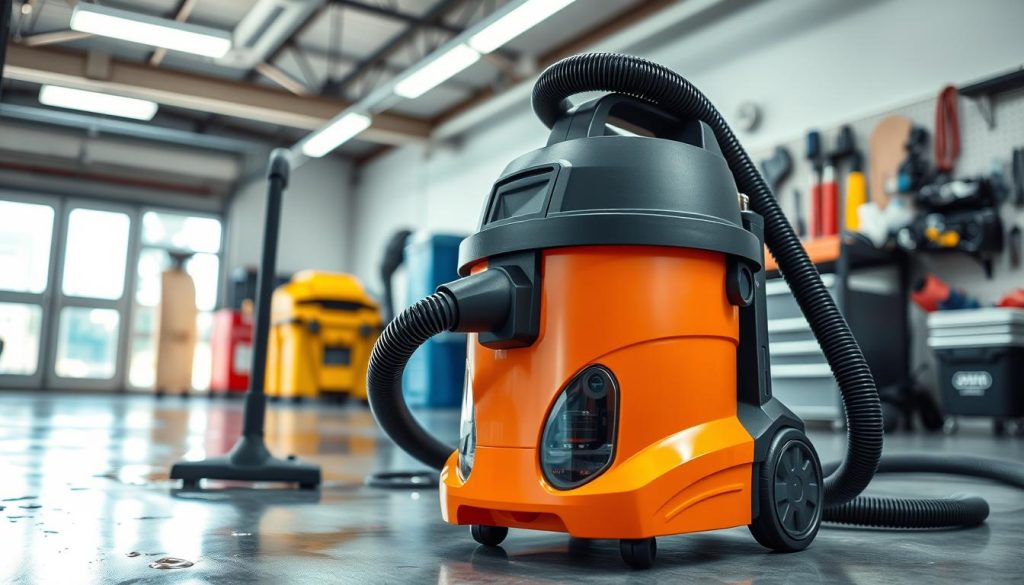
Dock features that cut maintenance time
The dock offers an automatic detergent dispenser and a self-clean blast for the roller using hot or room-temperature water. After washing, a hot air cycle dries the brush to curb odour.
| Spec | Value |
|---|---|
| Clean tank | 0.74L |
| Dirty tank | 0.72L |
| Max runtime | 60 mins |
| Charge time | 6h 30m |
Trade-off: this unit excels on hard floors but is not suitable for heavy rugs or carpets. For regular upkeep focused on crumbs and under-furniture dust, it is a practical, cordless option with strong suction and useful cleaning features.
Best budget wet-dry vacuum cleaner for value
If you want lower price without losing core cleaning power, there are a few sensible cordless options to consider.
Shark HydroVac Cordless
Key specs: 0.5L water tank, up to 25 minutes run time and 4 hours charge. It self-cleans, but the roller must be removed and left to dry for about 24 hours.
We found it useful for low-pile rugs and spot spill refreshes. Expect to empty the dirty water tank after every use and accept more hands-on brush care.
Budget alternative in Singapore: Simplus Cordless
The Simplus offers a 500ml clean tank, 550ml dirty tank, 21,000 Pa suction, up to 50 minutes run time and 4.5 hours charge. It folds flat 180° for storage and weighs 4.4kg.
What to expect at lower prices
- Smaller tanks mean more frequent refills and emptying of dirty water.
- Shorter run time or lower practical power on high modes.
- More manual maintenance: brush removal, drying and occasional streaking on sticky spills.
| Model | Clean tank | Dirty tank | Max run time |
|---|---|---|---|
| Shark HydroVac Cordless | 0.5L | — (needs emptying after use) | 25 mins |
| Simplus Cordless | 500ml | 550ml | 50 mins |
Buying tip: For HDB homes choose models with easy tank access, widely available replacement brushes and realistic run time over headline specs.
Best premium hot-water option for stubborn stains and greasy messes
Hot-water mopping aims to cut through kitchen grease and dried residues in a single pass. For many Singapore kitchens and entryways this is a genuine time-saver, especially where oil marks recur.
| Spec | Value |
|---|---|
| Suction power | 22,000 Pa |
| Hot water | 85°C |
| Clean tank | 800 ml |
| Dirty tank | 650 ml |
| Weight | 6 kg |
| Runtime | 70 mins (normal) / 25 mins (hot water) |
Where heated water really helps: oil spills, dried-on marks and busy walkways that would otherwise need multiple passes. The combination of 85°C water plus strong suction and power reduces stubborn stains quickly.
Trade-offs to consider
- The unit weighs about 6 kg, so frequent use can be tiring in compact flats.
- Hot-water mode cuts runtime to around 25 minutes and raises noise and operating load.
- High heat and moisture can be harsh on some wooden floors; test a patch first and use lower mode or quicker passes where sensible.
We regard this model as a premium option for kitchens and dining areas where one-and-done removal of grease and old marks matters. Pair it with good ventilation and regular tank emptying to avoid odour in the dirty water system.
Best for pet hair, tracked-in dirt and everyday mess
We focus on practical pet mess: shedding, tracked grit from walks, paw prints and bowl splashes. These problems need fast cleaning that also controls odour and stops stains setting in.
Tineco Floor One S7 Pro — deodorising and disinfecting for hard floors
The Tineco excels at mopping while it suctions, leaving hard floors fresher after each pass. TechRadar highlights its deodorising and disinfecting positioning, which helps with lingering smells from pets.
Why it suits: strong mopping action, easy tank access for clean and dirty water, and simple brush maintenance for routine upkeep.
Bissell CrossWave X7 Cordless Pet Pro — fur and rug refreshes
The Bissell is our recommended option if you also have rugs. Key specs: 820ml clean tank, 420ml dirty tank, up to 20,000 Pa suction, 30-minute runtime and a 4-hour charge.
Pet features: Turbo Pet mode increases solution dosing and suction for fur and tracked debris. It refreshes low-pile rugs while still handling hard floors.
| Model | Clean tank | Dirty tank | Notes |
|---|---|---|---|
| Tineco Floor One S7 Pro | 0.85L | 0.72L | Best for hard floors; deodorises and disinfects |
| Bissell CrossWave X7 Pet Pro | 820ml | 420ml | Good for fur and rug refresh; Turbo Pet mode |
Practical tip: run a quick pass daily in high-shed zones and do a deeper clean weekly to prevent brush tangles and tank odour. Effective pet-friendly performance is as much about maintenance as suction and water capacity.
Best lightweight and versatile wet-dry vacuum for mixed flooring
For mixed-floor homes we favour a lightweight cordless that vacuums well yet offers a simple mop head for quick spill response.
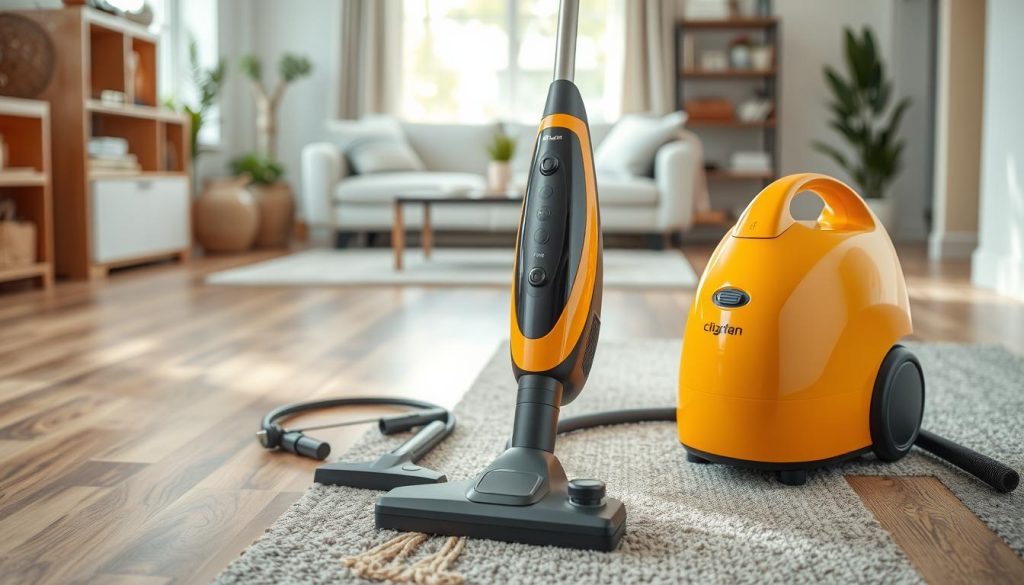
Dyson V15s Detect Submarine is a strong dry vacuum first, with an add-on head for basic wet passes. It weighs 3.8kg, has a 0.77L bin and a 0.3L water tank. Runtime is up to 60 minutes with a 4h30 charge.
Where it excels
The unit delivers excellent suction for dust and debris. Its laser-equipped Fluffy-style head highlights fine dust on hard floors. The mop head shifts muddy footprints and small spills without extra kit.
Watch-outs and handling tips
The small water tank limits wet session time and needs frequent refills for larger areas. The dirty-water tank is not sealed; remove the Submarine head carefully and keep it level to avoid spillage.
Who should consider it: readers who want one cordless device for fast daily vacuuming and occasional wet spots. For guidance on mixed-floor use see our mixed-floor guide.
Best hands-off robot vacuum and mop for light wet-dry cleaning
For busy households that prefer low-touch upkeep, a robot that mops and vacuums regularly can halve daily chores. We look for a unit that automates refills and emptying so owners in Singapore can set schedules and forget routine floor care.
Roborock Qrevo Curv
Roborock’s Qrevo Curv pairs rotating mop pads with smart edge behaviour and carpet detection. Its dock holds 2.4L clean water, 2.4L dirty water and a 2.7L dust bin, which means far fewer manual refills and emptying sessions.
What robot mopping can and can’t do
Robotic mopping excels at light maintenance cleaning and daily dust control. It keeps floors presentable and reduces the frequency of deep cleans.
It will not scrub dried-on stains or heavy spills the way a manual wet-dry system can. Keep a hand tool for stubborn marks.
Dock automation that matters
The dock refills water, dispenses detergent, empties the bin and washes and dries pads after runs. Rotating pads plus carpet-lift behaviour improve coverage and stop rugs getting wet.
Conclusion: this is a strong option for outsourcing most daily cleaning jobs, while retaining a manual device for tougher tasks and occasional deep scrubs.
Most manoeuvrable pick for tight spaces and under-furniture cleaning
We know that compact Singapore homes need a machine that turns on a dime and slips beneath sofas and beds. Manoeuvrability is not a luxury here; it is a daily necessity for tight corridors, shoe cabinets and low clearances.
Narwal S20 Pro
Design is the Narwal’s headline advantage. Its flat-folding profile helps the head reach well under furniture. Triple-sided edge cleaning targets skirting lines where dust collects near kitchens and doors.
| Spec | Value |
|---|---|
| Clean tank | 790 ml |
| Dirty tank | 720 ml |
| Suction | 20,000 Pa |
| Runtime / Charge | ~60 mins / 3.5 hrs |
| Weight | 4.27 kg |
Features we value: AI Dirt Sense, multiple cleaning modes and a balanced weight that aids control. The traction and pivoting head make steering simple in narrow layouts.
- Handling: flat-folding design improves under-bed reach; good weight distribution eases steering.
- Edge cleaning: triple-sided head catches debris along skirtings and chair legs.
- Practical note: tanks are mid-sized — suitable for small flats but expect refills for larger areas.
“In tight homes, reach and steering matter more than the largest tank.”
Who should choose this model? Readers who prioritise easy steering and under-furniture access over raw stain-removal power. We also note maintenance: edge cleaning works best with regular brush and tank care.
What to look out for when buying a wet dry vacuum in Singapore
Choosing the right model for Singapore flats means balancing cleaning performance with practical use. Floor type, household size and storage limits all influence which features matter most.
Tank capacity: match clean water and dirty water to your floor area
Tank capacity dictates how much floor you can cover before refilling or emptying. For small HDB units a 0.5–0.8L clean water tank and a similar dirty water volume work well for quick sessions.
For larger condos or frequent pet use, choose bigger tanks so you spend less time between fills. Remember that combo heads often have smaller water tanks than dedicated floor systems.
Suction and power: pick the right level for debris, dust and spills
Look for models that balance suction with water flow. High suction helps lift dry debris and fine dust, while adequate power paired with the mop action reduces streaking after spills.
Tip: advertised suction figures fall in real use at higher power modes; check run time and real-world performance on tiled floors.
Filter system: when HEPA matters
A good filter system captures fine particles and pet dander. Choose HEPA if anyone in the household has allergies or asthma.
Sealed paths from floor head to bin cut escape of dust during emptying. That matters in small flats where dust can re-circulate quickly.
Noise level: what to consider for HDB living
Noise level affects when you can run high modes. Expect louder output in deep-clean settings; schedule noisy passes when neighbours are least likely to be disturbed.
Cordless vs corded: reach, charge time and run time
Cordless units offer manoeuvre and portability but check advertised run time; heavy modes cut actual run time and charge time varies by model. Corded options give constant power for larger jobs but limit reach unless you use extenders.
Accessories and design: brush heads, edge cleaning and storage footprint
Consider brush head width, edge-cleaning ability and how low the head folds for under-furniture reach. Docks and large storage footprints can be awkward in compact Singapore homes.
| Consideration | Why it matters | Practical note |
|---|---|---|
| Water tank sizes | Cleaning coverage before refill | 0.5–0.8L suits flats; >0.8L for larger homes |
| Suction & power | Dry debris lift and wet pick-up | Balance power with run time |
| Filter system | Allergy control and dust capture | Choose HEPA if needed |
Avoid buying a hard-floor-only model if you have many rugs; also check local parts and brush availability to reduce long-term upkeep.
How wet-dry vacuum cleaners work and why maintenance matters
We outline the core stages that make these machines effective, then explain the upkeep they need in Singapore’s humid climate.
The cleaning system explained: brush roller + water flow + suction
First, a measured amount of clean water is fed onto the head. The roller agitates the surface, loosening grime.
Next, suction lifts the soiled solution into the dirty water tank for separation and storage.
Self-cleaning systems: what they handle and what they don’t
Self-clean docks rinse rollers and spin out residue. They reduce hands-on rinsing, but they do not fully dry every component.
Hair and trapped fibres still need manual removal. For example, some Shark models require brush removal and around 24 hours of drying after a self-clean cycle.
| Step | What happens | Maintenance note |
|---|---|---|
| Clean water delivery | Sprays solution onto the roller | Refill clean water tank before use |
| Brush roller action | Agitates and lifts grime | Remove hair and rinse weekly |
| Suction recovery | Extracts soiled mix | Empty dirty water each use to avoid odour |
“Empty and rinse the dirty tank after each session in humid climates to prevent smells.”
In short, this system saves cleaning time but shifts effort to post-use care. If you prefer lower upkeep, consider a dry-only route with occasional mopping or read our useful guide for extra ideas.
Conclusion
Summary, we recommend the Tineco Floor One S7 Pro as our top pick for most Singapore homes thanks to balanced cleaning performance, sensible tank sizes and manageable upkeep.
Choose a dedicated floor washer for mostly hard floors, a 2‑in‑1 stick for mixed surfaces, a robot for hands‑off maintenance, or a budget option if price and storage matter most.
Key trade‑offs: these systems outdo a dry vacuum on spills and grime but need more maintenance and higher upfront cost. For cordless models match battery and run time to your flat size to avoid mid‑job stops.
Next steps: shortlist two or three models, compare tank capacity, noise and local support, then pick the model that makes regular cleaning easiest. Consistency keeps floors truly clean.

