

We review machines that earn the “top rated” tag by real use, not marketing claims. Our focus is on usability, lasting performance and actual cleaning results for typical Singapore flats.
Electrolux features prominently in our list. We note official-site perks such as free delivery, 0% instalments and promos up to 47% off. Stated prices vary widely depending on model and promo period.
We explain what a wet dry vacuum can handle well — daily messes on hard floors — and where a specialist tool still wins, for example deep-pile carpets or renovation debris. Our comparisons span wet dry washers and wet dry vacuums so readers can pick by floor type, space and budget.
In short, we preview value and premium picks, and signpost where official-store bundles and instalments shift the effective price. Use our guidance to match tank size, drying time and brush design to your flat layout.
How we chose the best wet dry vacuum for Singapore homes
Testing emphasised performance on tiles and vinyl, with extra checks on common rugs and room carpets. We focused on results that match daily living in Singapore — efficient pick-up, quick drying, and compact design for limited storage.
What we tested for cleaning performance on hard floors and carpets
We measured visible debris pick-up, fine dust removal and streak control after a wet pass. Devices like the Airbot Supersonics Pro and Philips AquaTrio were run across tiles and rugs to record real cleaning performance.
What we looked for in vacuum suction, water tanks, and drying time
We checked whether suction stays steady as bins and water tanks fill, and if power modes change pick-up noticeably. Tank capacity, clean/dirty separation, and ease of rinsing were scored.
Practical considerations for Singapore flats: storage, noise, and manoeuvrability
Runtime in minutes was mapped to flat sizes so readers can judge coverage. We noted footprint, whether a unit stands upright, noise levels for night use, and how it moves around chairs and tight corners.
Wet dry vacuum vs dry vacuum: what’s the real difference?
We choose tools to match real messes in Singapore flats. A simple definition helps. A dry vacuum is built for dust and debris only, with filters and motors designed for airborne particles.
A wet dry model is engineered to handle liquids safely. It separates water from dust so the motor and filtration stay protected.
When liquid-capable cleaning beats a dust-only machine
Use a liquid-capable unit for fresh spills, sticky spots, tracked-in grime and after a mop pass. It replaces multiple tools when you need both water and suction in one pass.
Common messes it handles
- Spilled kopi or sauce splashes on tile or laminate.
- Kitchen crumbs, pet hair and everyday debris on rugs.
- Bathroom puddles, patio water and small leaks that need quick pickup.
- Light stains that benefit from agitation plus controlled water flow rather than brute suction.
Safe use note: these units are for small-to-medium spills. Bigger floods, oily liquids or hazardous waste need specialist extraction or professional help.
Why a cordless dry and wet vacuum cleaner makes sense for everyday cleaning
For everyday upkeep in compact Singapore flats we favour lightweight stick models that combine suction with a wet pass. They turn quick tidy-ups into a simple grab‑and‑go task.
One-pass vacuuming and mopping for different cleaning needs
A single sweep that vacuums while it mops saves time. It works well on tiles and sealed wood when light soil and spills are common.
Quick clean-ups for kitchens, bathrooms, and entryways
We use a compact unit to tackle tracked-in grit at the door and food splashbacks in the kitchen. It avoids the full bucket routine for small messes.
Pet hair and fine dust control for healthier homes
A combined pass catches loose pet hair and fine dust together, reducing airborne particles. Not every model includes HEPA, so check filtration if allergies matter.
Trade-offs include smaller tanks and limited runtime, which we factor when recommending models for two- or three-room flats.
| Benefit | Typical result | What to check |
|---|---|---|
| One-pass clean | Faster daily maintenance | Brush design, water flow |
| Pet hair control | Less tumbleweed on floors | Brush roll, suction power |
| Portability | Room-to-room use without plugging | Battery life, tank size |
Key features that matter most in a cordless wet dry system
Small engineering choices — from tank layout to nozzle lights — shape daily cleaning outcomes far more than headline specs. We focus on practical features that decide whether a system stays useful in a Singapore flat.
Dual-tank system vs single tank
Dual tanks keep clean water separate from dirty water so you do not re-spread grime across the floor. Models such as the Dibea HC26 use two 700 ml tanks and often add button-adjustable water flow for control.
Brush and nozzle design
Brush heads that hug edges and reach corners matter. A well‑designed nozzle maintains contact on uneven tiles and grout, improving pick-up and reducing passes.
Smart detection, lights and self-care
Laser dirt detection and LED nozzle lights (seen on Airbot and Philips AquaTrio) help find fine dust. Self‑cleaning bases that rinse the roller, drain dirty water and add brush drying (Dreame H15 Pro Heat, Tineco S9 Artist Steam) cut odour and upkeep time.
Filtration and performance
Electrolux notes microfilter and antibacterial tanks on select models. Good filtration traps dust and improves air quality — vital for households with pets or allergies.
Price guide in Singapore: what to expect and what’s worth paying for
Understanding local price bands helps avoid overpaying for features you will rarely use.
Electrolux lists models across a broad price spread, with promos up to 47% off at times. For reference, premium options sold by ModernHome sit in a higher bracket for flagship machines such as the Dreame H15 Pro Heat, Philips AquaTrio and Tineco S9 Artist Steam.
What drives the price
- Motor power and sustained suction for steady performance.
- Tank size and water separation in the cleaning system.
- Self‑clean docks, faster drying bases and odour controls.
- Smarter sensors, LED guides and improved brush design.
When to spend more
Pay extra when you need rapid drying, strong grease handling in kitchens, or an auto‑clean dock that reduces maintenance time. These feature gains matter for busy households.
| Typical perks | Ongoing costs |
|---|---|
| Basic suction, smaller tanks | Lower spare part costs; washable filters |
| Better suction stability, larger tanks, some self‑care | Moderate brush replacements; some consumables |
| Heat rinse, auto‑dry docks, premium sensors | Higher consumable spend; longer battery runtime in minutes |
Budget by flat size, frequency of wet cleaning and whether a single machine must do most tasks. We help readers match price to practical use so the chosen cleaner gives real value, not just sticker appeal.
Electrolux wet and dry vacuum cleaners: what sets them apart
Electrolux splits its line into two clear formats to match different household chores. This helps us recommend the right model for a Singapore home instead of a one-size-fits-all pick.
Drum models versus stick formats
Drum-style machines are built for heavy debris and larger water loads. They are usually corded, offer bigger tanks, a blower function and 360° rotation. Onboard storage keeps nozzles and tools organised for workshop, patio or car use.
Stick formats combine vacuuming with mopping in a compact design. Typical features include inverter motors, TriAction nozzles, smart dirt detection and self‑clean routines that cut maintenance time for kitchen and living‑room use.
Buying from Electrolux Singapore
From the official store we note practical perks: free delivery, 0% instalments and exclusive promotions up to 47% off. These offers often make a premium model act like a mid‑range buy.
- When to choose drum: renovation dust, patio spills, heavy garage mess.
- When to pick stick: daily floor care, quick spill response, pet hair control.
- Pro tip: plan purchases around sales for best value and clearer warranty support.
Best value cordless wet dry picks for small to mid-sized flats
For many small flats, a compact model that balances suction with runtime gives the best everyday value. We focus on machines that handle crumbs, quick spills and routine cleaning without taking up storage space.
Airbot Supersonics Pro
The Airbot brings up to 25,000 Pa suction and real-time laser detection to reveal fine dust on smooth floors. E13 HEPA captures 99.97% of particles and Eco mode can run up to 45 minutes, though boost cuts that time quickly.
Dibea HC26 smart floor washer
Dibea uses dual 700 ml tanks and electrolysed water for a fresher-feeling pass. Runtime is about 42 minutes in Auto, with self‑propel traction plus self‑clean and cool-air drying to reduce upkeep.
Russell Taylors V10 iClean
This model suits light-duty messes and fast maintenance. Expect roughly 40 minutes for spot jobs; it is simple to maintain but not built for heavy grime.
- Choose Airbot for dry pick-up and dust control.
- Choose Dibea if wet washing and bacteria claims matter.
- Choose Russell Taylors for straightforward, low-fuss upkeep.
Before checkout: confirm local warranty, included accessories and whether the charging/storage design fits your entryway or utility corner.
Best premium cordless wet dry models for maximum performance
When hygiene and convenience matter, top-tier models deliver stronger cleaning results with less effort.
How we define premium: machines that cut repeat passes through higher suction, heat or steam, plus automated maintenance via docks and self‑clean cycles.
Philips PerfectCare 9000 AquaTrio
The AquaTrio provides three modes — vacuum, mop and wash — with an Auto‑Clean System and LED guides. ModernHome notes up to 45 minutes per battery, extendable to 90 with a second battery, covering about 185 m².
Dreame H15 Pro Heat
Dreame uses hot‑water roller cleaning at roughly 85°C and a self‑clean/drying base that can reach 100°C to reduce odour and speed drying. The lie‑flat 180° design helps reach under low furniture and runtime is up to 70 minutes.
Tineco Floor One S9 Artist Steam
Tineco combines a 140°C boiler with ≥99°C floor steam, FlashDry self‑cleaning (85°C air for five minutes) and an anti‑tangle brush. It targets stubborn stains and runs up to 75 minutes.
- Who should buy premium: homes with open kitchens, frequent grease or persistent stains, or buyers who want less manual brush washing.
- Trade‑offs: higher price, greater weight and more complex maintenance routines.
Best for hard floors: tiles, vinyl, laminate, and sealed wood
Hard surfaces demand a tool that balances water control with firm roller contact for spotless results.
What makes a top performer: controlled water delivery, full roller contact and enough suction to remove dirty water instead of pushing it around. This trio prevents streaking and leaves a faster drying surface.
Roller speed and water flow control for streak-free results
High brush RPMs, such as the Philips AquaTrio’s 4,000 RPM head, help loosen grime. Adjustable water flow lets us match wetness to the floor finish and avoid residue on glossy tiles or laminate.
Lie-flat designs for cleaning under low furniture
Models with 180° lay-flat heads, like the Dreame H15 Pro Heat and the Tineco S9 Artist Steam, reach under sofas and beds. That reveals crumbs and dust that collect unseen in compact Singapore flats.
Safe use on sealed wood: choose gentle modes, limit water, and favour quicker drying to protect finishes and avoid marks.
| Feature | Why it matters | What to check |
|---|---|---|
| Roller speed | Breaks down dirt for removal | RPM or high-speed brush tech |
| Water flow | Prevents streaking and over-wetting | Adjustable levels, fine control |
| Lie-flat head | Access under low furniture | Degree of tilt, slim profile |
| Suction & drying | Removes dirty water; reduces dry time | Measured suction, fast air drying |
Also check edge and skirting performance; excellent centre-floor results mean little if corners keep dirt. For quick spot work, see our guide to spot cleaning.
Best for pet hair and long hair in Singapore homes
Homes with long-haired pets present the sternest practical test for any cleaning system. Tangled strands and fur foul rotating parts fast. That reduces suction, raises noise and makes maintenance a chore.
Anti-tangle brush systems and scrapers
Manufacturers now use anti-tangle tech to cut wrap at the source. Dreame’s TangleCut scraper and Tineco’s DualBlock Anti-Tangle system show how a simple scraper or split head keeps hair from winding round the roller.
What to look for: easy brush removal, rinse-friendly materials and minimal hair at the ends to speed upkeep.
What to prioritise for upholstery and sofa edges
Upholstery use needs a firm handheld mode and narrow tools for creases and edges. We value filtration that traps fine dust, so debris and dust are not pushed back into the room.
Practical tip: balance wet passes with thorough drying. Damp rollers store odour; fans or a drying cycle avoid smells in pet homes.
- Weekly brush checks and quick bin or tank emptying.
- Select modes for carpets versus smooth floor to preserve suction.
- Choose models with detachable handheld tools for sofas and stairs.
Best for quick spill response and daily messes
In real homes, the measure of usefulness is how quickly we can stop a mess. For kitchens and bathrooms, the Electrolux 800 3‑in‑1 with a detachable hand unit shows the value of instant access.
Detachable hand units and lightweight builds for fast clean-ups
Detachable tools let us reach skirting boards, tight corners and small puddles without dragging out bulky equipment. A light main body with good balance makes regular use painless; if the tool feels awkward it will be left in storage.
Spot cleaning wet spills without dragging out multiple tools
We recommend selecting the right mode before vacuuming to avoid smearing. Aim to pick up water and crumbs in one pass, then empty and rinse tanks to keep smells away.
- Real-life test: be strong enough to lift liquid plus crumbs in one sweep.
- Quick routine (60 seconds): pass, empty, rinse, air dry.
- Weight & design: choose a unit you will actually grab in busy minutes.
“A ready-to-use hand tool turns a spill into a short task, not a weekend chore.”
Best for hygiene-focused cleaning and odour control
We judge hygiene on two fronts: how the floor looks and how the machine behaves after use in humid Singapore conditions.
Antibacterial water tanks and test claims explained
Electrolux UltimateHome 700 advertises antibacterial water tanks with a 99.9% elimination claim. That percentage usually refers to specific lab conditions and targeted bacteria types.
Routine rinsing still matters because trapped dirt and dust will reintroduce microbes if left to sit in warm, damp tanks.
Self-cleaning nozzles, hot rinses and brush drying
Full base-station systems such as Dreame’s hot-water rinse (to ~100°C) or Tineco’s FlashDry air cycle (≈85°C) give deeper sanitisation than a nozzle-only rinse.
Expect base cycles to run longer and be noisier, but they typically improve drying and reduce odour.
Why brush drying matters: a dry brush avoids trapped grease and pet hair that create smells. Quick air drying or an 85–100°C cycle cuts bacterial growth and keeps performance steady.
- Empty dirty tanks immediately after use.
- Rinse channels and run a short self-clean or hot rinse weekly.
- Allow parts to air and finish with a brush drying cycle when possible.
Best battery life and runtime for full-home coverage
Runtimes on spec sheets rarely translate directly to real‑world cleaning for a Singapore home. We treat advertised minutes as a starting point and map them to what you can expect in practice.
What runtime really means in minutes and square metres
Manufacturers quote minutes under ideal conditions: Airbot up to 45 minutes in Eco (10–15 minutes Boost), Dibea ~42 minutes Auto, Philips 45 minutes per battery (up to 90 with a second battery) covering as much as 185 m², Dreame 70 minutes, Tineco 75 minutes and Samsung up to 160 minutes with dual swappable batteries.
Expect actual coverage to fall when you navigate furniture, corners and frequent wet passes. A simple rule: divide your flat’s square metres by the quoted coverage, then add 20–40% to allow for manoeuvring and stops to empty debris.
Eco, Auto, Turbo, and Boost modes: where battery disappears fastest
Eco/Auto modes stretch minutes and keep suction steady for routine cleaning. Use them as the daily default.
Turbo/Boost gives short bursts of extra power for concentrated messes, but drains battery fast and is best for stubborn debris or spots.
- For full-flat runs consider a spare battery or a model with a long baseline runtime (Dreame, Tineco).
- Check whether suction falls off near the end of charge; steady power beats a high peak but poor finish.
- Dock location and swap ease matter: a charged spare or quick dock gives full-home coverage without rushing.
Convenience features we rate for daily use
Everyday convenience features decide whether a unit becomes the go‑to tool or a cupboard ornament. We judge which features change cleaning habits in real homes, not just look good on spec sheets.
Auto‑empty stations and sealed dust bags vs washable bins
Auto‑empty docks with sealed bags, such as Samsung’s All‑in‑One Clean Station, remove handling of dust and reduce odour. This is useful for allergy sensitivity and busy schedules.
Washable bins save ongoing costs and are kinder to small budgets. Choose sealed bags if you want less dust exposure; pick bins if you prefer lower consumable spend.
Onboard accessory storage and versatile nozzles
Electrolux drum models often include tidy onboard storage. For small flats, keeping nozzles and tools attached matters as much as suction or power.
Well‑designed storage reduces friction in use and stops lost accessories from turning a good model into an incomplete system.
Displays, voice prompts, and app control: helpful or hype?
Airbot’s LED display, and app or voice features from Dreame and Tineco, help with maintenance reminders and mode selection. They are useful, but only if the detection logic and response are reliable.
Good to have: clear status screens and simple alerts. Nice to have: advanced app features that do not replace solid cleaning fundamentals.
| Feature | Practical impact | What to check |
|---|---|---|
| Auto‑empty / sealed bag | Less dust contact, lower smell | Bag cost, dock footprint |
| Washable bin | Lower running cost | Ease of rinse, odour control |
| Onboard storage | Faster tool access | Space for common nozzles, secure clips |
| Smart displays & apps | Maintenance prompts, mode clarity | Reliability of detection, firmware support |
Our quick buying checklist before you choose a model
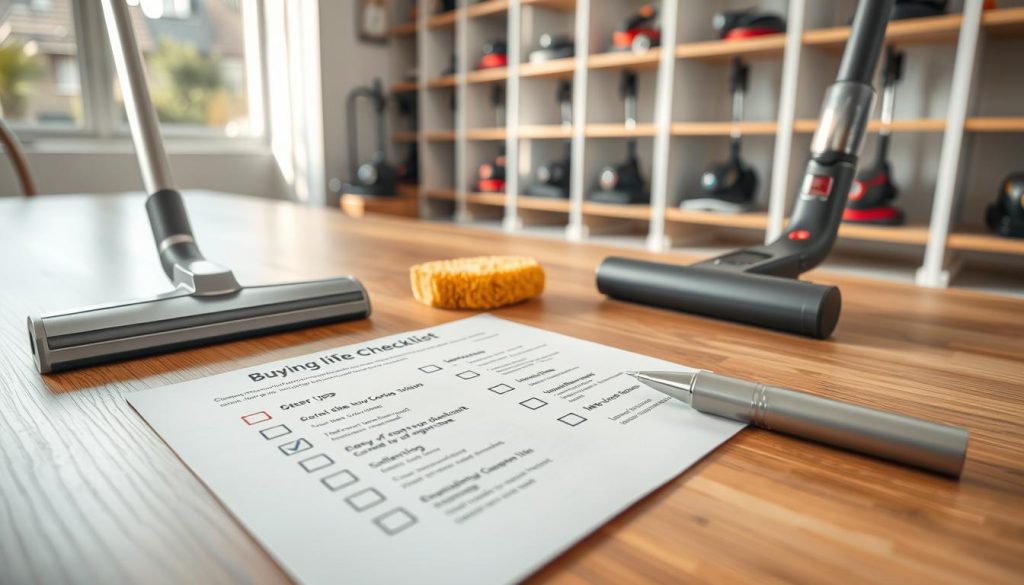
We offer a tight, five‑minute checklist to stop common mistakes when choosing a home cleaning system. Use this to check fit, upkeep and real coverage before you commit.
Match the model to your floors, tank capacity needs, and mess types
Floors matter: tiles and vinyl favour a one‑pass wash and suction. Rugs and carpets often need a stronger vacuum mode or a separate machine for deep pile.
Decide how often you will refill water and empty tanks. A larger tank means fewer stops but a bigger footprint at home.
Check maintenance effort: filters, brushes, and tank cleaning
Be honest about upkeep. Confirm how often filters need washing, whether brushes are easy to remove, and the steps to rinse dirty water.
- Filter wash frequency and replacement cost.
- Brush access for quick hair removal.
- Tank emptying steps and drying space required.
Plan around your home layout: edges, corners, and tight spaces
Measure narrow corridors, doorway widths and low furniture clearance. Choose a lie‑flat head if you need to reach under sofas.
Check turning radius for tight corners and whether the nozzle reaches skirting edges without extra passes.
“A short checklist saved us returns and ensured the model matched daily life, not just the spec sheet.”
Tip: If you want a quick comparison before buying, read our concise guide to the best cordless vacuum guide for extra checks on runtime and suction.
Where to buy in Singapore and how to get the best deal
Where you buy can change the final price by hundreds of dollars and affect after‑sales care. We focus on channels that give clear warranty paths, fair returns and useful bundles for everyday cleaning at home.
Official brand stores vs marketplaces: warranty and support considerations
Buying from an official brand store usually gives clearer warranty support and direct service. Electrolux Singapore often offers free delivery, 0% instalments and promos up to 47% off. These perks reduce effective price and simplify repairs.
Marketplaces such as Shopee, Lazada, Courts, Harvey Norman, FairPrice and Gain City can show lower headline prices. However, check who handles warranty claims and whether returns for bulky wet dry systems are practical.
Timing promos, bundles, and instalment plans
Timing matters. We watch payday sales, year‑end campaigns and brand promo periods that move prices materially. Buying during a verified shop promotion can beat a small marketplace discount.
Valuable bundles include extra brushes, spare filters, cleaning solution or a second battery. Avoid bundles that only add accessories you will not use; they raise the outlay without improving cleaning results.
When 0% instalments make sense: choose them for premium models with docks or hot‑water/steam systems if you will use the unit daily. Spreading cost can be cheaper than a lower‑end model that must be replaced sooner.
| Buy channel | Pros | What to verify |
|---|---|---|
| Official brand store | Clear warranty, official promos, service centres | Warranty length, local service address, delivery terms |
| Major retailers (Courts, Harvey Norman) | Hands-on demo, in-store returns, bundled offers | Return window for bulky items, spare part availability |
| Online marketplaces (Shopee, Lazada) | Occasional low prices, wide stock | Seller warranty policy, authenticity proof, return logistics |
Conclusion
The simplest rule is this: let your dominant messes decide the model. If spills and tracked-in water are frequent, pick a wet dry tool with strong water control. If dust and pet hair top the list, choose a unit that gives steady suction and good filtration.
Priorities that pay off: effective suction, sensible water delivery, easy tank handling, and reliable self-clean/drying. Premium upgrades — hot-water or steam, wider edge coverage, automated docks — suit larger homes or heavy use. Value options still handle daily cleaning for small flats at accessible prices, especially during Electrolux promos that often include free delivery and 0% instalments.
Pet owners should favour anti-tangle heads and regular rinse routines to avoid odour. Compare official stores and marketplaces; treat promotions and instalments as part of total value, not only the sticker price.

