

We know choosing the right kit for your living room in Singapore can feel overwhelming. Regular upholstery care loosens stubborn dirt, removes stains and pet hair, and helps keep mites and allergens at bay.
In this guide we set clear expectations about what a sofa steam cleaning machine can and cannot do. We focus on practical hygiene goals — odour control, mite reduction and easier upkeep — so you buy a tool that matches the job.
We explain key terms, compare sanitising with extraction, and highlight the features that genuinely save time. Our aim is to help you pick a device that performs well on cushions, armrests and mattresses without needless frustration.
Throughout the article we will offer workflows and pro-consumer tips, plus a curated link to further equipment reviews at best upholstery cleaning machines, so your purchase decision ties directly to how you will use the product.
Why we invest in regular sofa and upholstery cleaning in Singapore
Singapore’s heat and humidity make regular upholstery care more about health than looks. Moisture and warmth speed the build-up of dust, dirt and body oils. Fabric traps moisture and can harbour mould, mildew and dust mites if we ignore it.
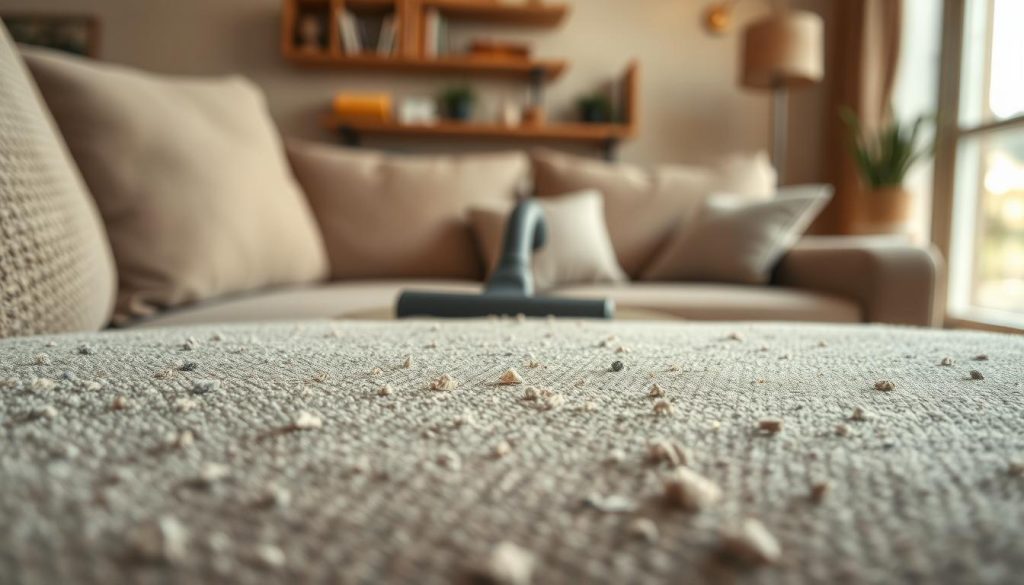
Humidity, dust mites and allergens in the living room
Warm, humid air creates a friendly environment for dust mites and bacterial growth. Even sofas that look tidy can hold fine dust and pet dander that affect sensitive family members.
What regular care achieves
Consistent upkeep loosens embedded dirt, reduces visible stains and lifts pet hair from fibres. We lower the bacteria load and cut odours, which keeps our furniture comfortable and extends its life.
How often we clean
We recommend weekly vacuuming to remove surface debris and dust. Spot-treat spills immediately and plan a deep annual service to tackle what lies deep in the fabric.
Pro tip: choosing the right tools and vacuum accessories reduces long-term wear and saves time. For step-by-step guidance on using extraction equipment effectively, see how to clean a sofa with a carpet.
Choosing the right sofa steam cleaning machine for your home
The cleaning method we pick should match the kind of dirt, fabric and daily wear in our home.
Steam cleaning vs spray extraction: which method matches your dirt and stains
Steam cleaning works well for quick spot work and light odours. We use a detail nozzle and a microfibre cloth to lift fresh marks.
Spray extraction sprays water and detergent into fibres, then vacuums the solution out. It pulls out ground-in dirt and shortens drying time, making it the better option for heavy spills and stubborn stains.
When high-temperature steam helps, and when fabric sensitivity is a risk
High temperature steam can reduce mites and give a sanitised feel. Test a hidden area first because some fabric reacts to heat. If a sample darkens or warps, switch to extraction or lower-temperature treatment.
Households with pets and children: prioritising hygiene, odour control and time savings
For busy homes with pets and children, we favour tools that balance fast drying with good suction. That reduces repeat passes and limits pet hair re-soiling.
Beyond sofas: mattresses, car seats, carpets and other upholstery surfaces
If we plan to treat mattresses, car seats and carpets too, pick a multi-surface cleaner with suitable attachments. For some homes, owning both a compact steam cleaner and a powerful extractor delivers the best results without compromise.
| Issue | Recommended method | Why |
|---|---|---|
| Light odour / quick spot | Steam | Fast, no heavy water; good for surface refresh |
| Drink spills / ground-in grime | Extraction | Pulls out residue and shortens dry time |
| Mite reduction / sanitising | High-temperature steam + extraction | Heat helps kill allergens; extraction removes debris |
Features we compare before buying
We prioritise practical features that save time and deliver consistent results on upholstery and carpets. Start by matching features to how often we clean, the types of dirt we face and the spaces in our HDB flats or condos.
Water tank capacity, heat-up time and temperature control
Large water tank capacity reduces refills during a full sofa session, but the tank must be easy to lift across stairs or corridors. Fast heat-up and stable temperature output make our passes repeatable and stop us from overworking an area.
Extraction and suction power for deep cleaning and shorter drying time
We look at advertised extraction figures and test actual suction. Stronger extraction pulls more moisture and suspended dirt, which shortens drying time and improves the finish for deep cleaning jobs.
Attachments that matter: detail nozzle, upholstery tools and pet hair pick-up
A good detail nozzle reaches seams and corners. Dedicated upholstery heads give even coverage. If we have shedding pets, a pet hair pick-up tool changes the result more than raw power alone.
Cleaning solution compatibility and residue control
We prefer units that accept common cleaning solutions and offer rinse options. Repeated extraction passes until no detergent appears, plus one or two clear rinses, help avoid sticky residue that attracts dirt.
Portability for HDB flats and condos
Weight, cord length and compact storage matter. A lighter cleaner with a long cord and tidy storage makes spot work less of a chore and ensures we actually use the device.
“Choose features that support how you clean, not the highest spec on the box.”
How we use upholstery cleaning machines safely and effectively
Good preparation and measured technique cut drying time and improve results. We follow a simple order: prepare the surface, treat stains, extract moisture and finish with ventilation. This keeps work safe and repeatable for Singapore homes.
Pre-clean essentials
We always vacuum crumbs, loose dust and pet hair before any wet work. Wetting dry debris pushes it deeper into fibres and makes removal harder.
Spray extraction workflow
- Vacuum thoroughly.
- Fill the tank with lukewarm water and add detergent at the recommended dose.
- Spray evenly from about 10 cm and allow a short dwell time.
- Suction slowly with even passes until no more dirt or detergent appears.
- Rinse once or twice with clear water if residue remains, then ventilate to dry.
Spot-stain technique with steam
Hold the detail nozzle at an angle and place a microfibre cloth beside the mark to catch dislodged material. Always test for temperature sensitivity first.
Avoiding water marks and overwetting
Treat connected surfaces consistently and use strong extraction rather than heavy wetting. Plan cross-ventilation to reduce mould and extended dampness.
Material-specific care
For fabric, manage moisture to prevent mould. For leather, use a damp cloth and neutral soap sparingly, and condition regularly. For PVC, rinse residues to keep the surface shiny.
“Choose features that make these safe workflows easy — good suction, rinse support and sensible temperature control.”
Conclusion
Finally, we give a clear decision path so you choose a product you will actually use. Match your primary problem — odour, allergens, daily spills or deep stains — to the right method. Use steam for quick spot refresh and extraction for fibre‑deep results that speed drying.
Singapore reality check: humidity makes drying discipline essential. Prioritise strong suction, measured water use and good ventilation to avoid mould and long wait times.
When choosing, compare attachments, tank size, temperature controls and residue/rinse features. Check local seller support and return policies (Amazon.sg often lists a 15‑day window) before you buy a higher‑ticket unit.
Keep a maintenance mindset: weekly vacuuming, prompt spot work and annual deep cleaning will save time and make your investment last.

