

We set clear expectations: a true HEPA system can cut airborne allergens and reduce what clings to soft surfaces, but it cannot eradicate every tiny organism in a home.
In this guide we explain how to choose a vacuum suited to mattresses, upholstery and carpets in Singapore’s warm, humid homes. We focus on features that stop allergen re-release and lift particles from fabric.
Our buying criteria are simple and practical: true HEPA filtration, sealed airflow, strong suction on fabric, effective brush heads and allergen-safe emptying. These points let us compare models and shortlist options by home type — HDB, condo or landed — and lifestyle — pets, kids, asthma.
We also preview a hands-on review of the Tineco Pure One Station, with notes on pickup, noise, usability and value. Finally, we warn that HEPA is used loosely in marketing; we show what to verify on spec sheets and in real use.
Why dust mites are a Singapore home problem for allergy sufferers
Singapore’s indoor climate and furniture choices create persistent hotspots of allergen exposure.
Air-conditioning and humidity let dust mites thrive in soft textiles. We find they hide in mattresses, pillows, upholstered sofas, rugs and children’s soft toys.
Where they live
Where they hide most: beds, upholstery, carpets and soft toys
Mattresses and cushions trap skin flakes and moisture. That creates a steady food source and shelter for mites and related organisms.
Rugs and plush toys rarely get hot-washed, so allergen build-up is common in living rooms and bedrooms.
Why allergens, not the creatures, trigger symptoms
The real problem is the allergens: droppings and fragmented bodies from a dust mite are what spark sneezing, blocked noses, itchy eyes and asthma attacks.
Visible dust can be misleading. Allergenic particles sit deep in fibres and rise when people move. That is why cleaning more often matters.
| Hotspot | Why it matters | Practical step |
|---|---|---|
| Mattress | High moisture and skin flakes | Wash sheets weekly; use enclosed covers |
| Upholstery | Frequent contact, deep fibres | Regular brushing and targeted cleaning |
| Soft toys | Rare washing, child contact | Cycle wash or store off-bed |
Vacuuming is one part of wider control that includes washing, humidity control and ventilation. We prioritise tools and habits that avoid re-releasing allergens into the air.
What science says about HEPA vacuuming for dust mite allergens
Clinical research quantifies the effect of high-efficiency filtration on allergen residues in rugs.
Key evidence: a major study in the Journal of Allergy and Clinical Immunology found that HEPA vacuuming can reduce dust mite allergen levels in rugs by up to 97%.
This matters because the benchmark “0.3 microns” does not mean only those particles are trapped. It is a standard test point used to indicate efficiency at capturing very small particles. In practice, filters catch a wide range of sizes, including many of the allergenic particles that stay suspended in the air.
- Higher motor power helps lift heavier dust, but it does not replace sealed filtration.
- A leaking unit can re-release fine allergens even if the brush picks up debris.
- Check for a true hepa filter, sealed airflow and whether exhaust air feels dusty during use.
| Claim | What to check | Realistic outcome |
|---|---|---|
| High allergen removal in rugs | Confirmed lab data, sealed system | Significant drop in allergens when used correctly |
| 0.3 microns benchmark | Filter rating and multi-stage filters | Good capture of small particles that trigger symptoms |
| Strong suction claims | Brush design and sealed paths | Better pickup of heavy dust; limited if exhaust leaks |
Bottom line: proper filtration reduces allergens dramatically, but real gains depend on technique, cleaning frequency and targeting the soft surfaces where mites live.
Best hepa vacuum cleaners for dust mites: what to look for before we buy
Choosing the right machine means checking seals, suction and the tools that reach deep into fabric.
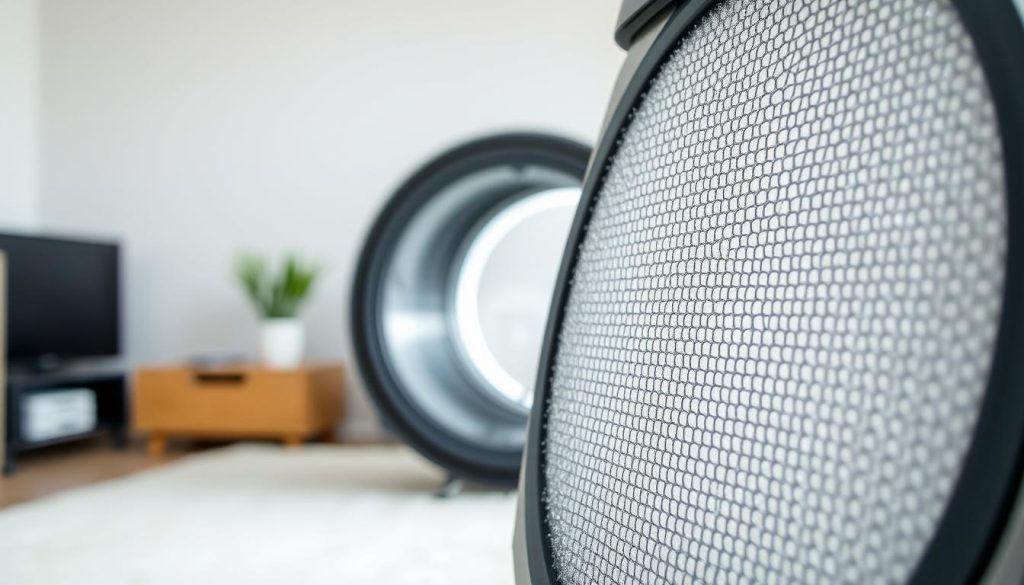
True HEPA filter performance and sealed systems
We insist on genuine HEPA filter ratings and a fully sealed airflow path. A high-grade filter is ineffective if air leaks at the bin, hose or joints. Check manufacturer specs and sealed gaskets before purchase.
Strong suction designed for soft surfaces like mattresses
Nominal power figures only tell part of the story. We look for tested suction on mattresses and upholstery, plus brush heads that keep contact with fibre to lift embedded particles.
UV-C sterilisation: when it helps and what to check
Used correctly, UV-C can kill live mites on soft surfaces in seconds (Clinical Reviews in Allergy & Immunology, 2023). Verify real UV output, safety shut-offs and effective coverage rather than marketing claims alone.
Brushrolls and heads that reach deep into carpet fibres
Agitation and a good seal at the floor head matter. We favour multi-mode brushrolls that switch between carpets and hard floors without losing suction at the faceplate.
Allergen-friendly emptying and containers that minimise re-release
Sealed bins, disposable bags or one-touch sealed emptying reduce the chance of blowing allergens back into the air during disposal. That matters more than flashy dust indicators.
Noise levels for family-friendly cleaning in flats
Quieter machines encourage regular cleaning in small homes. Look for sound insulation, anti-vibration mounts and measured dB figures to avoid devices people avoid using.
Attachments that matter in real homes
We prioritise a crevice tool for frames and skirting, an upholstery head for sofas and a pet toolkit to lift pet dander and hair from carpet and fabric. Multi-nozzle designs make switching between hard floors and rugs quick and effective.
| Feature | What to verify | Why it matters |
|---|---|---|
| Filter & sealed system | True HEPA rating, gasketed seals | Prevents allergen re-release into air |
| Suction on soft surfaces | Tested mattress/upholstery performance | Lifts embedded allergens, not just surface debris |
| UV-C module | Measured UV output, safety cut-offs | Kills live mites; complements suction |
| Emptying method | Sealed bin or disposable bag | Minimises exposure during disposal |
We also recommend reading a practical guide on mattress cleaning and compatible machines via this article: vacuum mattress advice. It helps match tools to Singapore living patterns and mixed floor types.
HEPA filter and filtration systems explained (without the jargon)
Understanding how a good filtration system works helps us buy units that trap particles instead of sending them back into the room.
HEPA vs “HEPA-type”: marketing terms to be cautious about
Insist on evidence. A genuine hepa filter will show an independent rating (often 99.7% or 99.97% at the test size). Ask whether the media is certified and if the design stops unfiltered bypass air from escaping.
Questions to ask:
- Is the filter certified and to which standard?
- Is the unit sealed from nozzle to exhaust?
- Are replacement filters sold locally?
Multi-stage filtration and why it matters
Multi-stage systems use a pre-filter for larger debris, a main HEPA stage for fine particles such as pollen and fungal spores, and an optional post-motor filter to catch stray exhaust.
| Stage | Role | Targets |
|---|---|---|
| Pre-filter | Captures hair and larger debris | Visible dust |
| Main HEPA | Traps tiny particles | Pollen, spores, allergen fragments |
| Post-motor | Polishes exhaust air | Fine particles and odours |
Quick checks for Singapore buyers: confirm filter availability, realistic replacement intervals, and whether washable elements should be rinsed or replaced to keep performance high.
Choosing the right vacuum type for dust mites in Singapore homes
The type of cleaner you choose should match your home’s layout and your cleaning rhythm. We weigh short, frequent sessions in flats against longer weekend deep-cleans in larger dwellings.
Cordless stick models for daily maintenance and quick clean-ups
Cordless sticks suit fast passes on hard floors and light upholstery. They are handy for quick spills and daily upkeep.
Pay attention to bin size, filtration and battery life. Small bins fill fast and weak filters reduce allergy control even if pickup looks good.
Corded machines for longer sessions and consistent power
Corded options give steady power and longer run time. That makes them better when we need sustained suction across carpets, rugs and multiple rooms.
They tend to perform better on deeper fibres and remain our choice when time-on-surface matters during deep-cleaning.
Handheld and mattress tools for beds, pillows and sofas
Handheld units target the real battleground: mattresses, pillows and soft upholstery. We use them to focus suction where allergen reservoirs concentrate.
Choose a model with strong faceplate contact, good filtration and a clear emptying method. Also consider noise if you need quiet cleaning at night.
- Decision points: home size, number of soft surfaces, pets and need for quiet.
- If you clean short and often, prioritise a stick with good filtration and swappable batteries.
- If you deep-clean less often, prefer corded models with steady power and longer time-on-task.
Our review spotlight: Tineco Pure One Station cordless vacuum cleaner
We turned the Tineco Pure One Station loose on typical Singapore floors to see whether everyday use matches the spec sheet. The unit is quick to assemble and light to move, which makes routine cleaning less of a chore.
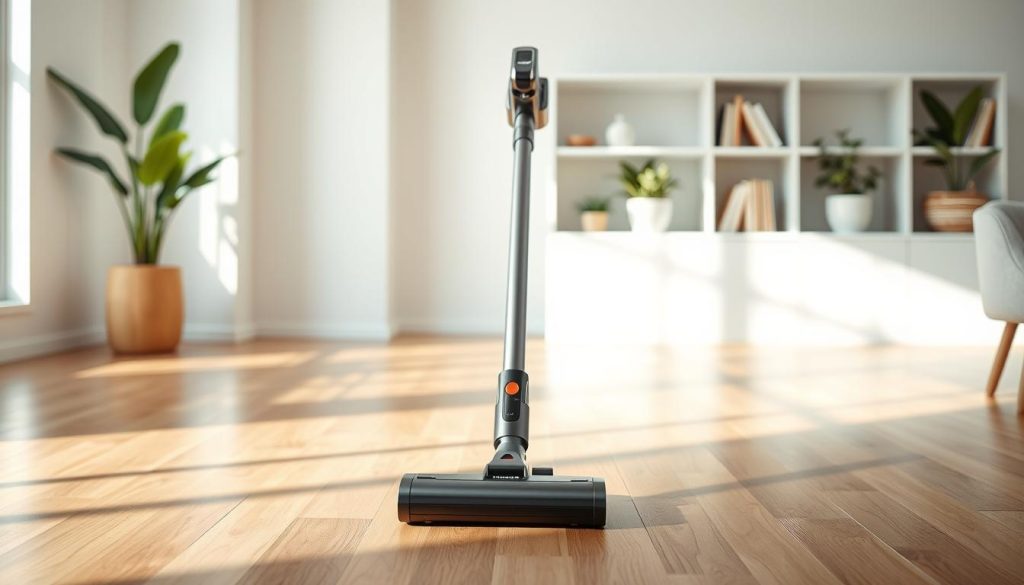
Debris pickup performance
Test result: up to 99.8% debris pickup in one minute in our trials. That rate is a strong proxy for practical suction and everyday floor performance.
Allergy-friendly usability
It is lightweight and quiet. Normal conversation is possible while running, so it is gentle on family life and apartment living.
Practical limitations
We noted weaker pickup in corners and occasional misses with very fine particles, such as tiny grains. These gaps matter near skirting boards and tight bed frames.
Convenience and value
Features include a freestanding charging station, trigger control, WiFi and AI voice. Its premium pricing in Singapore places it above many comparable models when we weigh performance against cost.
| Aspect | Result | Why it matters |
|---|---|---|
| Pickup (1 min) | 99.8% | Strong everyday performance on floors and rugs |
| Noise | Low (conversational) | Suitable for flats and families |
| Limitations | Corners & very fine particles | May need targeted tools or extra passes |
| Extras | WiFi, AI voice, freestanding dock | Convenience and smart control |
| Price (SGD) | varies | Premium — compare on value per feature |
Where to vacuum for the biggest dust mite impact
A room-by-room plan helps us cut allergen loads with less time and effort. We focus first on the places that store the most trapped particles and organic matter where mites thrive.
Mattress and bed cleaning: the main battleground
Mattress and bed
We prioritise mattresses and bedding because we spend hours there and fibres hold skin flakes and moisture. Slow, overlapping passes along seams and edges lift hidden particles.
Tip: start with the bed, then move to the headboard and bedside rug to stop recontamination.
Upholstered chairs and sofas: high-contact, high-allergen zones
Upholstery hotspots
Upholstered chairs and sofas collect skin flakes, hair and fibres. We vacuum seams, under cushions and armrests, and use an upholstery tool to reach tight joins.
Carpets and rugs vs hard floors: adjusting technique and tools
Carpets, rugs and hard floors
Carpets and rugs trap fine particles deep in fibres. We use agitation and slow passes to lift what lies below the pile.
On hard floors, soft rollers and a sealed head prevent scattering and capture small particles on the surface.
Pillows, cushions and fabric headboards: between-wash maintenance
Pillows and cushions
Between washes we vacuum pillows and cushions to reduce allergen load. Short, regular passes keep levels down until the next laundering.
“Our biggest gains come from cleaning the places we use most.”
For a deeper look at machine choices and verified models, see this review round-up: HEPA model comparison.
How to vacuum effectively for dust mites and allergens
How we move the nozzle matters as much as the filter inside the machine. Technique, not speed, gives the best return when we target soft furniture and bedding.
Slow passes, overlap and time-on-surface
Take slow, overlapping strokes and allow enough time on each area so suction lifts particles from fibres.
Quick sweeps miss what sits deep in mattresses and upholstery. Repeat passes work better than rushing once.
Attachment strategy
Use an upholstery tool on cushions and a crevice head along seams, skirting and bed frames.
Switch heads deliberately; the right attachments help agitate fibres and capture more debris.
Emptying and filter care
Empty bins outdoors when possible. Avoid shaking canisters and seal waste fast to prevent re-release into the air.
Check the filter and replace or clean per the maker’s guidance. If airflow drops, change it—continued use can blow more particles back into the room.
Cleaning frequency
We recommend short maintenance sessions several times a week on high-contact areas, plus one deeper weekly clean of beds and sofas.
“Stop and check if performance falls or smells worsen—those are signs to service filters and containers.”
Pets, asthma and sensitive households: features we prioritise
Homes with animals change our cleaning priorities: hair and skin flakes demand targeted tools and a different approach. We place emphasis on tools that lift clingy pet dander and hair from fabric rather than relying only on raw power.
Pet dander pickup and upholstery performance
Upholstery is often the shared pet zone. Sofas and mattresses trap dander and hair deep in fibres, so we look for specialised toolkits such as the Bosch ProAnimal Animal 360™ kit that combine agitation and suction paths designed for carpet and upholstery.
What changes: tool design and brush action matter more than higher wattage when removing clinging dander from fabric.
Quiet operation and sound insulation
Quiet models matter in Singapore flats where night cleaning must avoid waking children or disturbing neighbours. Silent designs use sound insulation, sealed parts and anti-vibration mounts to reduce noise without losing performance.
Sealed containers and allergen locks for safer disposal
Disposal is a critical moment for households with asthma and allergies. We favour sealed containers, allergen locks and one-touch emptying that keep dander and loose hair contained when we remove waste.
“Stable filtration and minimal exhaust leakage are essential to reduce asthma triggers in sensitive homes.”
Durability, quality and long-term running costs
A device that stays sealed and strong will protect indoor air quality over time. Durability affects whether seals crack, bins split or suction falls—issues that increase allergen leakage and reduce cleaning effectiveness.
Build quality indicators we check
Look for verified cycle tests and drop ratings. Examples include on/off switches tested for 45,000 flips, 35 drop tests from carrying height and long rolling endurance. These figures show the product survives real life in Singapore.
Filter replacement costs and local availability
Check how often the main filter and post-motor elements need replacement and whether they are washable. Availability locally matters—replacement filters and parts should be sold in Singapore to avoid long waits and extra cost.
Battery lifespan for cordless machines
Battery life falls with heavy power modes. If people clean short daily sessions, a medium-capacity battery may suit. For longer weekly deep-cleans, choose a model with replaceable cells and a clear warranty.
| Aspect | What to check | Why it matters |
|---|---|---|
| Build tests | Cycle counts, drop and roll endurance | Ensures long-term seal and performance |
| Filter costs | Replacement interval & local stock | Controls running cost and uptime |
| Battery | Runtime in power modes, replaceability | Matches daily vs weekly cleaning habits |
“Match purchase to how people actually clean each day—short passes need different specs to long deep-cleans.”
Conclusion
Real gains come from pairing a sealed system with regular, targeted cleaning of mattresses, upholstery and carpets. A genuine hepa filter and steady suction on soft surfaces matter more than flashy extras.
Technique and the right attachments make the difference at seams, edges and in fabric. UV tech and tested pickup rates (our Tineco trial hit 99.8% in one minute) add value when they are proven and safe.
Pick a vacuum that you will use often in Singapore life. Check specs, replacement parts and how waste is emptied to avoid re-release of allergens. Our aim is fewer airborne triggers and better day-to-day comfort for people with allergies, not just a cleaner-looking home.

