
We present a concise roundup of the best water vacuum cleaner singapore available now, with clear guidance on who it suits. Expect one main top pick, then options for pet owners, tight spaces, budget shoppers, hot-stain removal and lightweight premium models.
Households in Singapore face frequent crumbs, spilled drinks, cooking oil splatter and fine dust on hard floors. These problems demand a device that handles both liquid spills and dry debris so daily cleaning stays quick and effective.
We explain how we test performance and real-life practicality for HDB flats, condos and landed houses. Our list weighs upfront price alongside day-to-day maintenance, filter care and refill routines.
Many shoppers want one machine to vacuum and wash in a single pass. We focus on models that deliver on that promise and are widely available through common marketplaces and authorised brand stores across the island.
How we chose the best wet dry vacuums for Singapore homes
We tested each model with local floor types and everyday messes to find systems that suit city living. Our approach favours machines that clean hard surfaces without leaving excess moisture or streaks.
Hard floors first: tile, vinyl, marble and sealed wood realities
Many flats use tile or vinyl. Condos may have marble and some homes use sealed wood. These floors need careful moisture control and strong suction for grit and hair.
What we mean by a water vacuum cleaner here
In this roundup, the term refers to a combined vacuum + wash system with separate clean and dirty water tanks. That split matters for hygiene and makes refills and emptying predictable.
Commercial and practical factors we weighed
- Performance: suction, edge cleaning and how well the unit avoids over-wetting floors.
- Ownership: tank capacities, brush upkeep and smell risk in humid conditions.
- Availability & price: stock on Lazada, Shopee and Amazon, plus ease of finding accessories and spare parts.
| Criteria | Why it matters | Typical trade-off |
|---|---|---|
| Tank size | Refill/empty frequency | Smaller tanks = lighter, more stops |
| Motor power | Debris and dirt pickup | More power = more noise/weight |
| Cordless | Manoeuvrability in flats | Limits battery life |
Best water vacuum cleaner singapore: our overall top pick
For a reliable all-round performance, one machine stood out in our hands-on testing. It pairs strong pickup with a sensible wash system for everyday mess.
Tineco Floor One Switch S7 Stretch as the premium all-rounder for wet dry cleaning
Tineco Floor One Switch S7 Stretch is a versatile floor one system that works as a wet/dry unit and converts to a stick vacuum for quick jobs. It suits flats and family kitchens where spills mix with grit.
Key specs: 1,000ml clean water tank and a 720ml dirty water tank. Suction reaches up to 22,000 Pa. Runtime is up to 50 minutes for the floor washer and 70 minutes in vacuum mode, with a 4.5-hour charge time.
Cleaning modes and smart features
The iLoop sensor auto-adjusts suction and water flow. An LCD guides operation and reduces guesswork in Auto mode. The dual-side brush roller cleans right up to skirting boards, which helps with crumbs and oil splatter.
| Spec | Value | Why it matters |
|---|---|---|
| Clean tank | 1,000ml | Fewer refills for typical HDB cleaning |
| Dirty tank | 720ml | Predictable emptying, keeps hygiene better |
| Suction | 22,000 Pa | Good pickup for rice, grit and hair |
| Runtime / Charge | 50–70 min / 4.5 hrs | Long sessions possible; longer charge time |
Trade-offs: the 4.5-hour charge time and the routine of emptying and rinsing the dirty water tank are non-negotiable. For ownership, we recommend a quick rinse after each use and a deeper clean weekly to preserve suction and prevent odour.
Also excellent: best smart floor washer for hard floors
Smart floor washers use real-time sensors to match power with grime, which helps protect delicate finishes.
We recommend the Tineco Floor One S7 Pro-style machine if you want a sensor-led approach on hard floors. Its Auto Mode reads dirt levels and alters suction and water flow so you avoid overwetting already-clean areas.
Key cleaning modes and when to use them
Use Ultra or Max for stubborn marks and dried spills. Choose suction-only for light touch-ups and quick dry passes.
Real-world limits and ownership fit
Expect up to about 40 minutes of runtime in real use. High-power modes reduce minutes and battery life faster.
Maintenance is real: the dirty water tank needs emptying after each session and rollers require periodic cleaning to avoid odour in humid climates. This system suits owners happy to do short, frequent cleans and keep a tidy dock for draining.
| Feature | What it does | Practical note |
|---|---|---|
| Auto Mode sensors | Adjusts suction and water | Prevents overwetting on hard floors |
| Ultra / Max / Suction modes | Match power to mess | Use Max for stains; Suction for quick touch-ups |
| Runtime (minutes) | Approx. 40 minutes | Higher modes shorten runtime |
Best hot water water vacuum for stubborn stains and oil spills
When oil and baked-on food meet tile or vinyl, heat can change the cleaning game quickly.
Dreame H15 Pro Heat uses hot water mopping at 85°C to break down greasy residue faster than cold rinses. This reduces repeat passes and lifts stubborn stains with less elbow work.
Dreame H15 Pro Heat: what the numbers mean
The unit pairs 22,000 Pa suction with targeted hot spraying to pull in wet mess and lift dry debris in one run. Runtime reaches up to 70 minutes in normal mode but falls to about 25 minutes when hot cleaning is active.
Handling and design notes
At roughly 6kg, the machine feels heavy to carry. The flat-folding design and auto-traction wheels ease manoeuvring and help reach under low furniture.
“Heat speeds degreasing, but use care on timber and delicate sealed floors,” we advise.
When to choose this approach
- Ideal for tile and vinyl kitchens, dining areas and post-party grease removal.
- Avoid hot modes on untreated wood; choose gentler settings instead.
- Empty and rinse the dirty water tank promptly to prevent baked-on odour from heat and residue.
| Feature | Spec | Practical note |
|---|---|---|
| Hot water temperature | 85°C | Breaks down oil faster than room-temperature washes |
| Suction power | 22,000 Pa | Good for mixed wet and dry mess |
| Runtime (hot / normal) | ~25 minutes / 70 minutes | Plan sessions; hot mode shortens runtime |
| Weight & design | 6kg, flat-fold, auto-traction wheels | Stable handling; easier under furniture |
Best for pet hair and everyday wet dry messes
Busy households with pets need a tool that shifts from quick touch-ups to stubborn mark removal fast. We find the Bissell CrossWave X7 Cordless Pet Pro suits frequent, small sessions around feeding areas and high-traffic rooms.
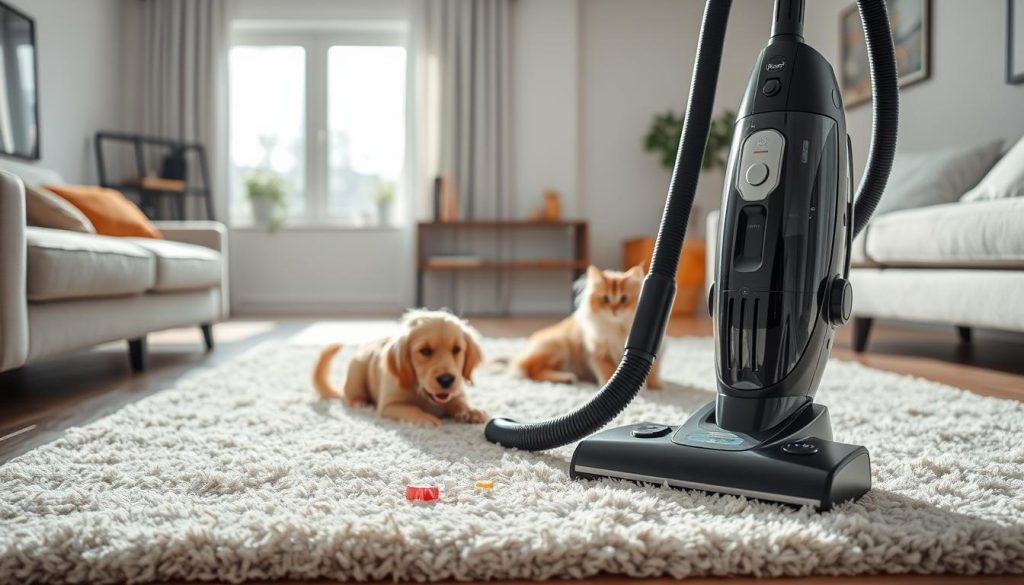
Bissell CrossWave X7 Cordless Pet Pro: Turbo Pet mode for fur and stubborn stains
Turbo Pet mode raises suction and brush speed to lift fur, paw prints and sticky stains. It helps remove embedded hair from the brush and pulls debris into the tanks in fewer passes.
Tank design and practical meaning
The unit pairs an 820ml clean tank with a 420ml dirty tank. That larger clean tank reduces refills, but the smaller dirty tank means you may need to empty sooner with muddy paw traffic.
Runtime expectations and trade-offs
Expect up to 30 minutes of runtime — usually enough for a typical HDB flat or small condo on one charge. The cordless convenience is excellent for quick spot work, though longer sessions need charging (about 4 hours).
- Tip: Vacuum dry kibble and loose hair first, then do a wet pass to avoid smearing and to ease brush care.
- Empty and rinse the dirty water tank after use to control odour and stop re-depositing dirt.
Most manoeuvrable option for tight spaces and under furniture
In compact homes we favour units that reach under sofa edges and between chair legs without fuss. The Narwal S20 Pro answers that need with a light, agile build and a flat-folding design that slips into narrow gaps.
Narwal S20 Pro: lightweight handling with triple-sided edge cleaning
Narwal S20 Pro offers triple-sided edge cleaning to catch crumbs along skirting lines and cabinet bases. This helps where debris hides at the edge of dining tables and in narrow walkways.
Smart adjustments: AI Dirt Sense and five cleaning modes
The unit uses AI Dirt Sense to raise or lower water and suction automatically. That saves water and battery on already-clean tiles and boosts power on visible dirt.
There are five practical cleaning modes. Use a gentle mode for daily maintenance and stronger modes for sticky marks or high traffic areas.
Convenience specs: 790ml clean tank, 720ml dirty tank, up to 60 minutes runtime
The S20 Pro pairs a 790ml clean tank with a 720ml dirty water tank. We find this a balanced setup for longer sessions without constant stops.
Suction reaches 20,000 Pa and runtime is up to 60 minutes, though heavy modes cut minutes in real use. Charging takes about 3.5 hours.
- Handling: lightweight body, easy steering and low profile for under-furniture access.
- Upkeep: frequent direction changes mean you should clean the brush and rinse the dirty tank to avoid odour.
- Fit: ideal for flats with tight corridors and many furniture legs.
| Spec | Value | Practical note |
|---|---|---|
| Clean tank | 790ml | Longer cleaning runs between refills |
| Dirty tank | 720ml | Balanced capacity for hygiene |
| Suction | 20,000 Pa | Strong pickup on hard floors and grit |
| Runtime | Up to 60 minutes | Mode choice affects actual minutes |
| Charge time | 3.5 hours | Quick recharge for regular use |
Best budget water vacuum cleaner option for Singapore
Value shoppers often need a unit that cleans spills and daily grit without stretching the household budget. For smaller homes we recommend the Simplus Cordless Wet‑Dry Vacuum Cleaner as a strong value pick.
Simplus Cordless Wet‑Dry Vacuum Cleaner: strong value for smaller homes
The Simplus delivers 21,000 Pa of suction and a sensible tank layout: a 500ml clean water tank matched with a 550ml dirty water tank. That pair works well for a typical HDB flat, letting you finish a room before pausing to empty.
Practical design highlights
The 180° flat‑folding design helps reach under beds and sofas. A wider 6.5cm brush head improves corner access, though very tight chair legs and narrow gaps still need a targeted nozzle.
Runtime, upkeep and who should buy
Expect up to 50 minutes runtime and a 4.5‑hour charge time. The unit is cordless and light, but it needs hands‑on upkeep: rinse the dirty water tank after each session and clear brush hair regularly.
- Who should buy: small homes, light daily mess, value‑first shoppers.
- Who should skip: owners seeking low‑maintenance, premium features and larger tanks.
| Spec | Value | Practical note |
|---|---|---|
| Suction | 21,000 Pa | Strong pickup for rice, crumbs and light grit |
| Clean water tank | 500ml | Good for single‑room sessions in small homes |
| Dirty water | 550ml | Balanced capacity; empty after heavy use |
| Runtime / Charge | Up to 50 minutes / 4.5 hours | Plan longer jobs around charge time |
| Design / Head | 180° flat‑fold / 6.5cm wider brush | Reaches under furniture and improves corner cleaning |
Best balance of value and practicality for mixed surfaces
For many households, a sensible mid-range option matches reliable hygiene features with compact tanks and simple day-to-day handling.
Shark HydroVac WD210SM: versatile cleaning modes and antimicrobial brush rollers
We position the Shark HydroVac WD210SM as the sensible middle ground. The unit offers several cleaning modes to suit quick freshen-ups and deeper wet passes. Its antimicrobial brush reduces bacterial build-up and helps control odour in humid conditions.
What to expect from smaller tanks: 500ml clean water and 360ml dirty water
The compact tank layout means you get a light, manoeuvrable design. Expect a 500ml clean tank paired with a 360ml dirty water tank. That setup is fine for daily spot work but may need an empty mid-clean for a very messy kitchen.
Runtime and charging: around 30 minutes with a four-hour charge time
Runtime is roughly 30 minutes on a full charge and battery top-up takes about four hours. That suits short weekly sessions or frequent spot cleaning rather than long, single-room marathons.
“You pay for practical hygiene and a neat design, not oversized suction numbers.”
Who this suits: small-to-mid homes with mixed floors and buyers wanting straightforward upkeep, sensible price and a known brand. The trade-off is clear: compact tanks and modest suction in exchange for easy handling and hygiene-focused features.
| Spec | Value | Practical note |
|---|---|---|
| Clean tank | 500ml | Good for spot cleans |
| Dirty water | 360ml | May need mid-clean empty |
| Runtime | 30 minutes | Short sessions or spot work |
Best lightweight premium stick-style option with a wet head
Some households need a primarily dry system that can do a quick wet touch-up without swapping machines. For that use case we place Dyson Submarine models as a premium, lightweight stick first and wet head second option.
Dyson Submarine models in Singapore
Relevant models include the V12s Origin Submarine, V12s Detect Slim Submarine and the Digital Slim Submarine. The V12s variants share a 300ml clean tank and 360ml dirty tank with up to 60 minutes runtime and a 3.5-hour charge time.
The Digital Slim is lighter and offers about 40 minutes on a charge, trading battery life for lower weight.
Filtration, visibility and why Dyson costs more
HEPA filtration matters if you worry about fine dust and indoor air quality. The Detect Slim adds a Fluffy Optic / laser-style head to reveal fine dust on tiles and vinyl.
Higher price reflects heavy R&D, cyclonic suction engineering, refined design and premium fit and finish.
| Model | Clean tank | Dirty tank | Runtime / Note |
|---|---|---|---|
| V12s Origin Submarine | 300ml | 360ml | Up to 60 minutes; balanced |
| V12s Detect Slim Submarine | 300ml | 360ml | Up to 60 minutes; HEPA + laser head |
| Digital Slim Submarine | 300ml | 360ml | ~40 minutes; lighter design |
Who this suits: buyers prioritising low weight, manoeuvrability and top-tier dry vacuum performance with an occasional wet pass. Expect premium price and small tank capacity; these are touch-up tools rather than whole-floor washers.
Best mid-range alternatives with useful cleaning modes and self-clean systems
We position Dibea as a sensible mid-range choice for buyers who want a competent wet/dry system without flagship price tags.
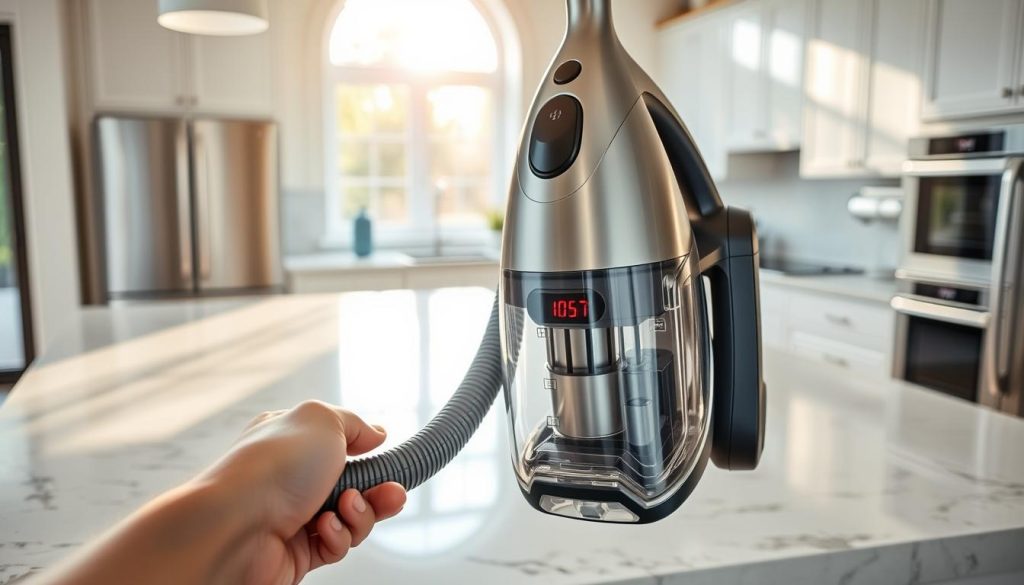
Dibea H8 — compact tanks for routine sessions
Dibea H8 suits moderate floor areas. It pairs a 500ml clean tank with a 600ml dirty water tank and offers up to 38 minutes in auto mode and about 30 minutes on high power.
The unit delivers 13,000 Pa suction — enough for daily debris and light spills on wooden, marble and ceramic tile floors. Its built‑in self‑cleaning system cuts routine upkeep, though we still advise quick manual checks for hair and residue.
Dibea HC26 — larger tanks for longer wet runs
Dibea HC26 is focused on longer wet cleaning sessions. Twin 700ml tanks reduce stop‑start refills and let you finish bigger rooms in one go.
Runtime matches the H8 in auto mode at around 38 minutes and charge time is similar at up to 4.5 hours. The larger tank capacity is the clear trade‑off if you prioritise continuous wet passes over lower upfront price.
“A self‑clean dock helps, but emptying the dirty tank promptly is still vital to avoid odour.”
Which model to pick? Choose the H8 for balanced daily use and lower price. Opt for the HC26 when fewer interruptions and longer wet runs matter most. For tips on using wet/dry systems on carpets or upholstery, see our guide on cleaning paint and spills with a wet‑dry unit at cleaning with a wet-dry system.
| Model | Clean tank | Dirty tank | Runtime (auto mode) |
|---|---|---|---|
| Dibea H8 | 500ml | 600ml | 38 minutes |
| Dibea HC26 | 700ml | 700ml | 38 minutes |
| Notes | Both models: charge ≈ 4.5 hours; H8 = lower suction (13,000 Pa) suitable for routine floors; HC26 = longer wet cleaning runs. | ||
How to choose a wet dry vacuum in Singapore: the specs that change the experience
Choosing the right wet dry model starts with matching its tanks and runtime to how you actually clean at home.
Tank capacity: match clean and dirty tank sizes to your floor area
Tank size dictates stops. Small flats do well with 500–800ml clean tanks and similar dirty water capacity for short runs.
For larger floors, choose a bigger clean tank and a roomy dirty water tank to avoid mid‑clean pauses.
Suction and system performance: why higher Pa/AW matters
Suction helps lift gritty debris on hard floors and pull liquid into the dirty tank. Look at Pa or AW numbers when comparing power.
Filter system: when HEPA matters for dust and air quality
HEPA filters reduce fine dust and allergens; pick units with sealed filtration if air quality is a priority.
Noise level and weight: trade-offs behind stronger motors
More power often means higher noise level and greater weight. Prioritise handling if you have stairs or small storage.
Cordless design and battery life: translating minutes of runtime
Cordless models advertise minutes of runtime. For quick kitchen cleaning 5–10 minutes suffice; whole‑home sessions need 40–60 minutes.
Accessories and brush heads: edge cleaning and multi‑surface aims
Look for edge brush heads, extension wands and a multi‑surface head if you plan mixed floor cleaning. The right accessories make daily upkeep faster.
| Spec | Practical guide | When to choose |
|---|---|---|
| Tank / water tank | 500–1000ml clean / similar dirty | Small flats vs bigger living areas |
| Suction (Pa / AW) | 15,000–22,000 Pa | Grit, hair and spills |
| Battery / runtime (minutes) | 30–60 minutes | Spot vs whole‑home sessions |
| Filter system | Standard or HEPA | Allergies and AC homes |
Value note: pick the specification mix you will actually use, not the highest numbers on price tags.
Understanding cleaning modes: Auto Mode, Max Mode and suction-only runs
We demystify common cleaning modes so you use your machine correctly and avoid streaks or excess moisture on sealed surfaces. A clear grasp of modes saves time and gets better results in one pass.
How auto sensors adjust flow and suction
Auto mode relies on sensors to detect visible dirt and change water flow and suction accordingly. When the system senses heavier soil it raises power and spray; on cleaner stretches it eases off to avoid over‑wetting.
This smart approach suits mixed mess: crumbs, light grease and damp marks. Trust auto for routine passes but watch corners where sensors may not read hidden grit.
When to pick Ultra/Max for deep cleaning
Ultra or Max modes deliver extra power for dried stains, kitchen grease haze and deodorising after pets. They work faster on stubborn marks but use more battery and fill the dirty water tank sooner.
Expect shorter minutes of runtime in high power. Plan shorter runs per room or a quick recharge between heavy passes.
Using suction-only for quick spill pickup
Suction-only runs remove tea, coffee or small spills without turning hard floors into a wet zone. Use this mode for fast spot work and to cut cleaning time in busy households.
Tip: slower, steady passes usually lift more dirt than repeated fast sweeps. After any run, empty and rinse the dirty water tank to prevent odour and bacterial growth.
Maintenance and ownership costs: keeping your water vacuum cleaner hygienic
Routine upkeep decides whether a wet‑dry system stays hygienic and reliable. A few minutes of care after each session keeps seals, motors and tanks working well and limits long‑term price surprises.
Dirty water handling: why emptying and rinsing is standard
Empty the dirty water tank after every run. Dirty water holds food residue, hair and bacteria that smell quickly in warm climates.
Rinsing the tank prevents deposits and keeps the filter and pump clear. Doing this takes only a couple of minutes but saves effort later.
Self‑cleaning docks and brush care
Self‑clean docks flush and spin the roller to reduce residue. They cut manual scrubbing but do not fully remove hair wrap or every trapped fibre.
We still advise checking brush ends, removing tangles and wiping seals by hand as part of routine maintenance.
Odour and bacteria control
Antimicrobial rollers and hot‑air drying docks help reduce bacterial growth and musty smells. If your model lacks a dryer, leave parts to air‑dry in a ventilated spot.
- Maintenance checklist: empty dirty water, rinse tank, inspect seals, clean brush ends, leave parts to dry.
- Hidden costs: replacement rollers, filters and cleaning fluid add to long‑term price; factor these into ownership decisions.
- Time reality: expect to spend a few minutes after each clean; that habit protects performance and extends life.
For spare parts and a practical wet‑and‑dry option, consider the MOVA X4 Pro wet‑and‑dry unit as a reference for dock and drying features.
Where each model fits best in Singapore homes
Different household layouts and routines mean one model will suit a small flat while another fits a busy family kitchen. Below we map our recommended models to common home types so you can shortlist quickly.
Small flats: lighter cordless models with smaller tanks
Choose cordless, low‑weight designs with modest tank capacity. These units are easy to lift, store and empty in tight storage spaces.
Family homes with kids: faster spill response and bigger tank capacity
For homes with children, prioritise larger water tank capacity and quick refill cycles. A bigger tank reduces stops and speeds up spill response.
Pet households: anti‑tangle brush designs and stronger suction for fur
Look for anti‑tangle brush heads and higher suction. These features cut hair wrap and improve pick‑up while reducing odour with regular tank care.
Mostly hard floors vs mixed flooring: choosing between dedicated washers and swappable heads
If you mainly have hard floors, a dedicated floor washer gives cleaner results with less residue. For mixed floors, opt for a swappable head design even if that means a smaller tank—versatility beats raw capacity.
Fit check: match runtime and battery life to your cleaning habits. Quick daily runs need 10–15 minutes; whole‑home sessions require 40–60 minutes.
- Value note: the right model matches space, floor type and maintenance tolerance—not just price or specs.
Conclusion
To wrap up, choose the model that matches your floors and chores rather than chasing high numbers. Our top pick wins because it balances suction, tank layout and manageable upkeep for hard floors in city homes.
For stubborn grease pick a hot‑spray model; for pets pick the pet‑focused option; for tight spaces pick the manoeuvrable unit; for tight budgets pick the value choice; for a light premium feel choose the stick‑style model.
Buying checklist: check tank sizes, realistic runtime in minutes, filtration and routine dirty water rinsing. Consistent emptying keeps the unit hygienic and smell‑free.
When ready, compare price and warranty from reputable local sellers and consult our detailed wet-and-dry guide to finalise your choice.

