

We offer on‑site cleaning mattress services singapore that let homeowners book a deep clean, sanitise and refresh without removing the item from the home.
Our approach to professional mattress cleaning targets dust, bugs, bacteria and odours. We work in humid conditions common here and focus on hygiene so families can sleep safer.
Who this is for: families, allergy‑prone households, pet owners, tenants and new homeowners who want a cleaner sleep environment and reduced smells. Typical outcomes include visible stain improvement and a fresher surface.
Our promise is a repeatable, structured process delivered by a trained team. We choose methods by fabric type, soiling level and health concerns to ensure the best result for your home.
On this page we will cover hazards, health impacts, what we remove, methods, the on‑site process, recommended frequency and mattress types — so you know exactly what to expect from the service.
Professional mattress cleaning for a healthier home in Singapore
High humidity and warm nights create the ideal conditions for dust, moisture and microbes to accumulate inside bedding. We believe hygiene is not optional: poor ventilation traps dampness and allows dust mites, bacteria and mould to grow over time.
Deep clean and sanitise means more than a quick surface wipe. It reduces embedded dirt, lowers moisture and cuts common allergens so bedroom air improves and nightly comfort rises.
What you can expect: noticeable freshness, reduced odour and lighter stains, plus a meaningful drop in allergen load. These results support better sleep and protect your investment when done regularly.
How often and why
In hot, humid conditions we recommend a thorough clean every three to six months. Different needs call for different approaches — routine upkeep, stain removal or allergy-focused treatments — which we outline in later sections.
- Prevents moisture-related odours and microbial growth
- Reduces airborne allergens released during nightly movement
- Acts as preventative maintenance to extend lifespan
Hidden hazards inside your mattress: dust, moisture and microbes
The inner layers of a sleep surface can host a surprising mix of dust, skin debris and microbes. Even with regular sheet washing, tiny particles and moisture collect where airflow is poor.
Dust mites and allergy triggers
Dust mites feed on dead skin, mould and pollen. A female can lay about 300 eggs and a mattress may hold millions of mites. It is often their waste, not bites, that fuels common allergens.
Dead skin, sweat and body oils
Humans shed huge amounts of skin daily; this material seeps into layers and becomes food for mites and microbes. Over time, dirt and sweat also create visible stains and odours.
Mould and fungal spores
Poor ventilation and trapped moisture allow mould and fungi to grow. Warm, humid bedrooms accelerate this process and encourage microbial spread.
Bacteria, viruses and other guests
Mattresses are high-contact surfaces. Bacteria and viruses can affect wellbeing, especially in shared family beds. We use targeted approaches to reduce these hazards and improve sleep hygiene.
How a dirty mattress can affect sleep, skin and breathing
Nightly exposure to trapped dust and residues can quietly worsen sleep quality and respiratory symptoms. Small particles and biological residues embed in layers and reappear when you move, making symptoms worse for allergy-prone households.
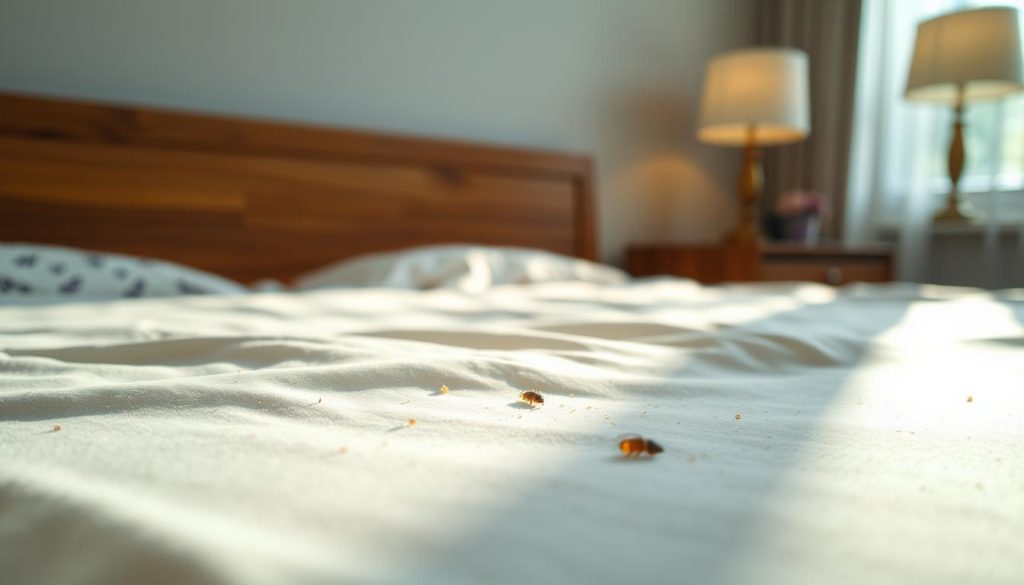
Allergies, asthma and rhinitis symptoms linked to mattress allergens
Allergens in the bed, such as dust mite fragments and pollen, often trigger sneezing, a runny nose, itchy or watery eyes, coughing and worsened asthma. When movement lifts particles into the air, people with rhinitis or asthma can wake with a blocked nose or scratchy throat.
Skin irritation, eczema flare-ups and rashes from contact and exposure
Prolonged contact with residues, sweat and microbial build-up can aggravate sensitive skin. Eczema sufferers may notice increased redness, itching or new rashes after nights on a heavily soiled surface.
Poor bedroom air quality when allergens become airborne
Accumulated dust and biological material reduce indoor air quality and raise the overall allergen load. This is a compounding factor for children and anyone with respiratory vulnerability, as poorer air makes breathing and sleep more difficult.
We do not diagnose conditions, but we highlight why hygiene matters. Our mattress cleaning approach is designed to reduce these common triggers and help restore fresher air and more comfortable nights.
| Issue | Common symptoms | How removal helps |
|---|---|---|
| Allergens (dust mite fragments, pollen) | Sneezing, rhinitis, itchy eyes, asthma flare-ups | Reduces airborne triggers and nightly symptom severity |
| Residues (sweat, oils, skin debris) | Itchy, inflamed skin, eczema flare-ups | Lowers contact irritation and skin reactivity |
| Microbial growth (mould, bacteria) | Coughing, scratchy throat, sinus issues | Improves bedroom air and reduces infection risk factors |
To learn more about cost and frequency, see our pricing guide at mattress cleaning cost guide.
cleaning mattress services singapore: what our service removes and improves
We target common household irritants with a clear focus on measurable outcomes. Our work reduces airborne particles, treats visible marks and addresses damp‑related smells so you notice real improvement in comfort and air quality.
Allergens and irritants: dust mites, pet dander and pollen
Allergen reduction means vacuums with HEPA filtration and targeted agitation to extract dust, dust mites and pollen fragments. We aim to lower the irritant load that triggers sneezing, itchy eyes and asthma symptoms.
Stains and residues: sweat, food spills, blood and urine
We treat common stains such as sweat marks, food spills, blood and urine. Older stains may not vanish entirely, but our approach lightens them significantly and reduces associated residues.
Odours and damp-related issues that affect comfort
Damp odours usually come from trapped moisture and microbial activity. We use extraction and drying methods that remove the cause, not just mask the smell, to deliver longer‑lasting results.
Hygiene outcomes: reducing germs for a safer sleep environment
Fewer germs on a high-contact surface lowers the chance of irritation and helps families feel safer. Professional solutions and equipment avoid over‑wetting and deliver better removal than DIY attempts.
Our professional mattress cleaning methods and when we use them
Selecting the right treatment depends on fibre type, soiling level and whether immediate use is required.
Chemical-free dry treatment for routine maintenance
What it does: removes surface dust and lowers allergen load with minimal moisture.
We use this for regular upkeep and quick turnarounds. It is gentle on fibres and reduces the need for long drying times.
Steam for high-heat sanitisation
What it does: applies heat to reduce microbial load and refresh fibres.
Note: heat sanitises but does not extract deep debris. We choose steam when sanitisation is the primary goal and the fabric tolerates heat.
Deep cleaning and extraction for embedded dirt
What it does: uses extraction to remove trapped soils, moisture and odour from inner layers.
This is our go-to for heavy soiling, persistent smells or moisture retention. Extraction lightens stains and improves drying outcomes.
UV-C for fully dry disinfection
What it does: chemical-free, 100% dry disinfection with no drying time.
Useful when immediate reuse is needed or ventilation is limited. It complements other methods but does not replace physical removal of debris.
Optional protective treatments
We offer protective coatings as an add-on to extend freshness. They are a safeguard, not a substitute for proper work.
“We select methods to protect quality and avoid overwetting or shrinkage depending on fibre and build.”
For full details on our approach and booking, see our professional mattress cleaning.
What to expect on the day: our on-site cleaning process
On the day of the appointment we begin with a clear walkthrough so you understand the full process and what the team will do. This helps set expectations for time, access and any precautions.
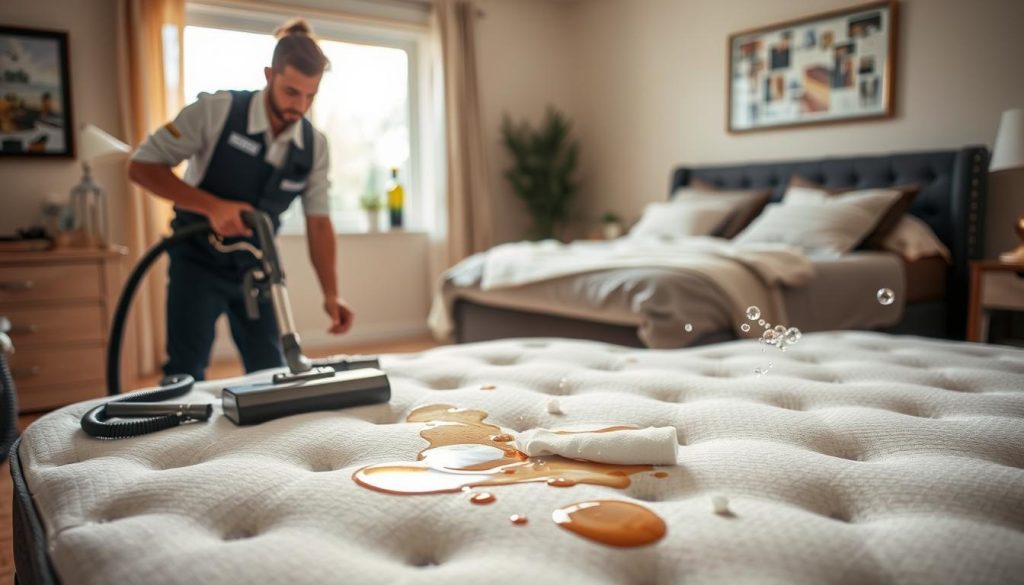
Pre-inspection and what we look for
We perform a pre-inspection to identify stains, odour sources and any tell‑tale signs of infestation. If we find pest indicators, we explain what can proceed safely and what needs pest control first.
High-powered vacuuming with HEPA-style filtration
Our team uses powerful vacuuming fitted with HEPA-style filtration to reduce dust and allergens during the work. This step removes loose debris and limits recirculation in enclosed bedrooms.
Targeted stain treatment and fibre-safe solutions
We apply fibre-safe solutions chosen for the fabric and stain type. Treatments aim to lift marks while protecting the internal structure and finish of the mattress.
Sanitising to tackle bacteria, mould and allergens
Sanitisation follows extraction or dry work, targeting bacteria, mould risk and residual allergens so results go beyond a simple fresh smell.
Typical time, drying advice and aftercare
Most visits take about 1–2 hours depending on size and method. We advise maximising ventilation, using fans or air‑conditioning to speed drying in humid homes.
“We walk you through each step and leave clear post-care notes so results last longer and rebooking is straightforward.”
How often to book mattress cleaning in Singapore
How often you book a visit should match your household patterns and health needs. We provide a simple frequency framework so readers can choose the right plan without guesswork.
General maintenance: half-yearly to quarterly cleans
Routine upkeep: For most homes we recommend a clean every three to six months. This timing accounts for warm weather and natural build-up from sweat and dust.
Stained items: quarterly deep cleaning for best results
If visible marks or lingering odour appear, book a deeper treatment every three months until the condition improves.
Consistent attention yields better results than one-off fixes.
Allergy-prone households: monthly to once every two months
For those with skin, sinus or dust-mite sensitivities we advise monthly to once-every-two-months visits. This cadence cuts airborne triggers and keeps symptoms lower over time.
- Factors that change frequency: children sharing beds, pets on the bed, visible stains, strong odours and poor ventilation.
- We recommend booking recurring slots to maintain results and reduce the chance of issues returning between visits.
“A clear schedule tied to your lifestyle reduces surprises and protects sleep quality.”
For easy booking and tailored plans, see our professional bed care options.
Mattress types we clean and how we protect mattress quality
Different sleeping surfaces need tailored care to keep their structure and comfort intact. We work on a wide range of mattress types and choose methods that protect quality and longevity.
Natural vs synthetic fibres: choosing steam or extraction appropriately
Synthetic fibres usually tolerate steam well; steam cleaning can sanitise and refresh without heavy moisture. Steam suits quick sanitisation and helps remove surface residues on resilient fabrics.
Natural fibres risk shrinkage and distortion with heat and moisture. For those we favour extraction to ensure deep removal of embedded residues while minimising wetting.
Memory foam, latex and innerspring: safe handling considerations
Memory foam and latex must not be over-wet. We control moisture, use low-pressure extraction and finish with dry disinfection like UV-C when needed.
Innerspring beds tolerate more extraction but require careful handling at edges and seams to protect the internal springs and ticking.
Baby cots and family mattresses: baby- and pet-safe, eco-friendly options
For family beds and cots we offer baby- and pet-safe solutions and UV-C options that are gentle yet effective. This supports home health without harsh chemicals.
We tailor methods to fabric and use professional equipment to avoid over-wetting, harsh chemicals and aggressive scrubbing.
Conclusion
Booking regular mattress cleaning is one of the most practical ways to cut allergens, odours and bacteria in our humid climate. Routine attention preserves comfort and helps family members breathe and sleep better.
We address dust mites, stains, damp smells and microbial risk with a structured, on-site approach. Our team matches method to fabric so you get effective results without risking damage.
Ready to book? Choose the method that fits your need and secure a preferred time slot with our cleaning service. If you have questions about stains, drying time, baby cot care or allergy frequency, our team will advise after a brief home check.
Schedule regular visits to keep results consistent rather than waiting for problems to worsen.

