

We open by framing the central query: what is a wet and dry vacuum cleaner and why many in Singapore now favour this compact appliance for fast household upkeep.
In this buyer’s guide we explain how the unit handles solids and liquids in one pass. We show how the system swaps modes without changing filters, which cuts tool‑switching and saves precious time after meals or rainy-day track‑ins.
We outline what the machine replaces: a separate vacuum, mop and bucket. We define core terms readers will meet — tanks, filtration, suction — so the rest reads plainly and stays useful.
Who benefits most? Families, pet owners and apartment residents who need quick daily care and compact storage. Ahead we break down internals, compare to dry‑only options and give a Singapore checklist for buying and safe upkeep.
What is a wet and dry vacuum cleaner and what does it do?
Meet the appliance that combines suction and scrubbing to tackle mixed messes quickly. We use the term wet dry for these hybrid models. They pick up loose debris and lift liquid spills in a single pass around home floors.
The vacuum + mop concept
Picture crumbs scattered near a bowl with a soup drip. One run extracts solids, sprays cleaner, scrubs, then suctions the dirty water. This reduces tool switching and saves time after dinner.
Where it fits among vacuums
- Wet‑only: built for standing water.
- Dry‑only: for dust and fine filtration.
- Wet dry: flexible daily use for mixed messes.
Why it matters in Singapore
Compact flats and busy schedules make one-tool cleaning practical. These units leave floors almost dry and avoid spreading dirty water, which helps hygiene in humid climates.
Next, we will examine the system inside so you know which features matter most.
How a wet dry vacuum works: the system inside the cleaner
A compact network of tanks, rollers and seals works together to clear solid and liquid messes in one pass. We outline each sub‑system so you can judge real performance, not just spec sheets.
Dual tanks and the cleaning sequence
Two separate tanks keep clean water apart from dirty water. Clean solution feeds the roller while grime and used water collect in the waste tank.
The cycle is simple: spray, scrub, extract. The roller agitates stuck particles while suction draws the soiled water into the dirty tank for faster drying of surfaces.
Motor protection and internal separation
Sealed airflow paths, a float assembly and reliable filters stop water or dust reaching the motor. This engineering reduces breakdown risk and extends service life.
Many designs add an internal two‑chamber layout so solids settle away from liquids. That keeps suction steady and makes emptying less messy.
Self‑clean and extras
Self‑clean cycles rinse the roller and channels with one button, cutting odour and lowering upkeep. Some units include a blow function for outdoor leaves before pickup.
| Component | Role in the system | Buyer relevance |
|---|---|---|
| Clean water tank | Stores fresh solution for spraying | Ease of refill and capacity affect run time |
| Dirty water tank | Holds waste to prevent cross‑contamination | Sealed lid and capacity matter for hygiene |
| Roller & brush | Agitates stains and guides water to suction | Brush design affects streaking and edge reach |
| Float, seals & filters | Protect motor from moisture and dust | Durability and serviceability cut repair costs |
Wet-only vs dry vacuum cleaner vs wet and dry vacuums
Choosing between water‑only units, dry models or hybrid machines shapes which cleaning jobs you can handle fast.
Water‑only machines shine when volume matters. They suit floods, burst pipes and standing water where rapid extraction prevents mould and structural harm. These units prioritise large tank capacity and strong suction for bulk removal.
Dry‑only models focus on dust, dirt and crumbs. They often include HEPA or fine filters to improve indoor air quality. For homes that mostly face dry mess, a dry vacuum cleaner gives better filtration and lighter handling.
Hybrid wet dry vacuums: the convenient middle ground
Wet dry vacuums combine both roles. They let us switch between wet and dry tasks without swapping filters thanks to float assemblies and sealed paths. That saves time for mixed messes in kitchens and entryways.
Note the limits: hybrids are not automatic flood pumps and some lack carpet extraction modes. For small Singapore flats, one hybrid unit often beats owning two separate machines.
“Match the tool to your typical mess — that prevents overbuying and keeps storage tidy.”
For more clever uses and tips, see our guide on unusual uses.
| Task | Best for | Key trade‑off |
|---|---|---|
| Standing water | Water‑only | High capacity, heavy |
| Daily dust & crumbs | Dry‑only | Better filters, lighter |
| Mixed spills | Wet dry hybrids | Versatility over specialist power |
Where we’ll use a wet dry vacuum around the home in Singapore
We map typical rooms and routines where a compact hybrid unit earns its keep in Singapore homes. The list below matches common daily messes to the right mode so we keep floors quick to dry and pleasant underfoot.
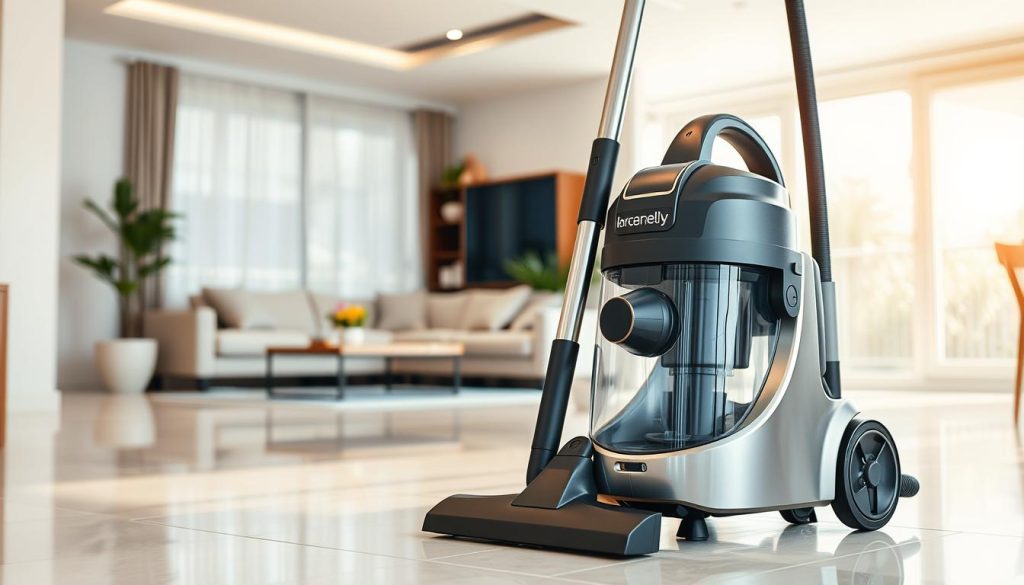
Kitchens and dining areas
After meals, the unit handles crumbs, sticky spills and liquids in one run. A short 5–10 minute pass removes scattered debris and gives the floor a fast scrub before visitors arrive.
Entryways on rainy days
We tackle water, grit and muddy footprints on hard floors to stop grime travelling deeper into the home. A quick pass during monsoon spells keeps hallway surfaces safer and less slippery.
Pet zones
Pet fur tumbleweeds, water bowl splashes and muddy paws respond well to daily touch‑ups. Fast cleaning keeps surfaces comfortable under bare feet and reduces odours.
Hard floors and sealed surfaces
Tile, laminate, vinyl and sealed hardwood are ideal for liquid pickup. The word sealed matters — unsealed wood should avoid wet passes to prevent damage.
Carpets and rugs
Only attempt stain extraction when the model supports carpet modes. Follow manufacturer guidance to protect fibres and to get meaningful stain lift.
Outdoor and walkway tidying
For landed homes or permitted corridor areas, blow or vacuum modes clear leaves and small debris efficiently. This keeps doorsteps tidy without dragging mess indoors.
“Less tool switching means we actually clean more often — that improves day‑to‑day hygiene in humid climates.”
- Routine idea: a 5–10 minute run after dinner for kitchen and dining floors.
- Quick tip: clean entryways during heavy rain to limit tracked grit.
- Weekly: schedule a deeper scrub for tubs of dried spots or heavy pet traffic.
Buyer’s checklist: features to look for in a wet and dry vacuum cleaner
We prioritise features that balance capacity, manoeuvrability and low upkeep for urban flats. Use this checklist to compare models fast and shortlist those that match our routine and storage limits.
Tank capacity and weight
Choose capacity carefully. For compact Singapore flats, about 500–700 ml gives a useful run without adding heavy bulk.
Large tanks cut refill time, but added weight harms manoeuvrability in narrow kitchens and under cabinets.
Suction power and pickup
Look for consistent suction that lifts dirty water, dust and debris without leaving streaks or puddles.
Raw wattage means little on its own; test real pickup or read user tests before buying.
Runtime and charging
For cordless models aim for 20–30 minutes runtime to cover main hard floors in one session.
A simple dock that charges between uses makes daily cleaning quicker.
Brush and head design
Low‑profile heads and good edge reach stop missed strips along skirting boards.
Roller materials should reduce streaking on glossy tiles.
Water flow control
Adjustable flow helps: light spray for quick refreshes, higher flow for sticky spills. Match settings to floor type.
Filtration and hygiene
Washable filters, odour control and clean air return matter most where dust and humidity meet.
Noise, maintenance and storage
Quieter operation suits close neighbours. Check ongoing costs for replacement rollers and filters and prefer models with easy local parts.
Compact docks and a small footprint encourage daily use and keep our space tidy.
“Pick the model that fits our flat, not the one that looks best on a spec sheet.”
For a detailed buying guide and test results, see this trusted buying guide.
Care, maintenance, and safe-use tips for wet dry cleaning
Simple post‑use habits protect parts, preserve suction and stop smells from building up.
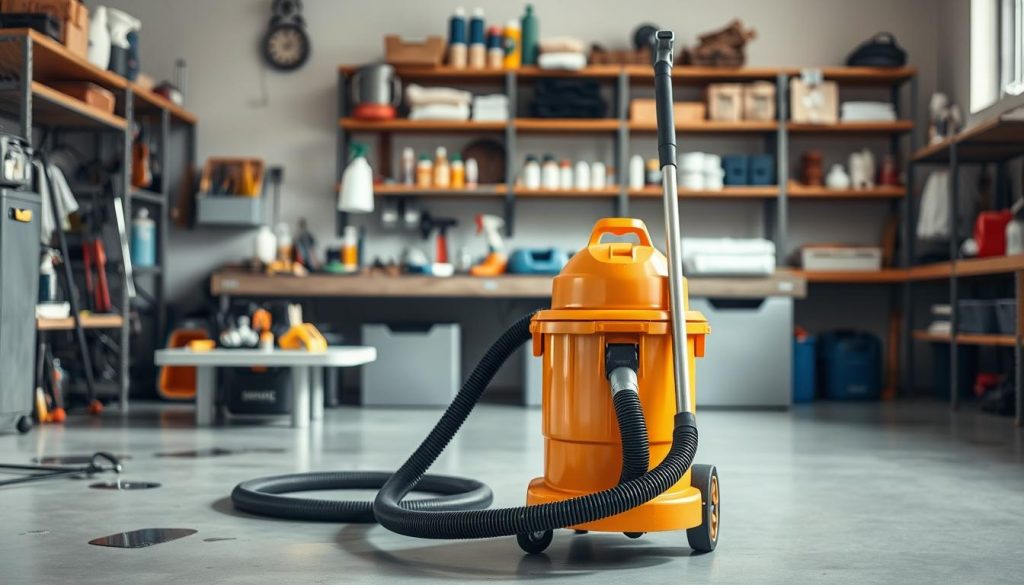
After‑clean routine: emptying and rinsing the dirty water tank
Empty the waste tank right away. Leaving dirty water inside breeds odours quickly in humid Singapore. Rinse the tank with fresh water and tip it dry.
Wipe the lid and seals to remove residue. Store the tank with the lid off so air circulates.
Keeping the roller fresh
Use any built‑in self‑clean cycle to flush rollers and channels. Run the cycle, then remove the head and rinse the roller if the manual allows.
Allow all removable parts to air‑dry fully before reassembly. This lowers mould risk and keeps the unit smelling fresh.
Filter care and other quick habits
Check filters regularly. Wash washable filters and let them dry completely before reinstalling to protect airflow and reduce dust recirculation.
- Do a quick rinse immediately after use.
- Keep a small brush to clear hair from the roller.
- Do not overfill the clean or dirty water tank.
What not to pick up
Avoid hot liquids. They can warp parts and damage seals. Also refrain from using wet passes on unsealed wood or other sensitive surfaces.
“Good maintenance reduces effort over time and protects suction, parts and hygiene benefits.”
Final tip: Regular, simple maintenance keeps the unit ready for daily messes and extends service life while preserving indoor hygiene.
Conclusion
For busy city homes, a single compact unit often replaces two bulky machines with little compromise. The wet dry hybrid sits between water‑only and dry‑only options, letting us switch modes without changing filters so mixed messes are handled fast.
Key features that shape daily satisfaction are dual tanks, steady suction, sensible water flow and simple self‑clean cycles. Power, head design and runtime decide real use more than raw specs.
Choose this if you live in a small flat, share space with pets, or want quick daily resets rather than rare deep cleans. Shortlist 2–3 models using our checklist, then compare tank size, runtime and head reach against your floor plan.
Maintenance note: empty tanks and rinse rollers after each run. That protects hygiene, reduces odour and extends service life. With the right wet dry vacuum, we keep floors cleaner more often with less time and effort.

