

Maintaining a clean sleeping surface is essential for health and comfort, especially in Singapore’s humid climate. Over time, dust mites, sweat, and allergens can build up, affecting sleep quality and overall well-being. Regular care not only ensures a fresh sleeping environment but also extends the lifespan of your bed.
From vacuuming to stain removal, there are several effective methods to maintain hygiene. Pet owners and allergy sufferers, in particular, can benefit from these practices. A well-cared-for mattress can last between 5 to 12 years, making proper cleaning a worthwhile investment.
This guide covers seven key steps to ensure your sleeping surface stays fresh and functional. Whether it’s deodorizing, moisture control, or washing covers, these tips will help you create a healthier sleep environment. For more detailed steps, check out this resource.
Key Takeaways
- Regular cleaning improves sleep quality and health.
- Dust mites and allergens accumulate over time.
- Vacuuming and stain removal are essential steps.
- Proper care extends mattress lifespan.
- Pet owners and allergy sufferers benefit the most.
Introduction to Mattress Cleaning
Your mattress harbors more than just comfort—it’s a hotspot for dust mites. These tiny creatures thrive on dead skin cells, which we shed daily. In fact, a single mattress can host between 100,000 to 1 million dust mites. This makes regular cleaning essential for a healthier sleep environment.
Singapore’s humid climate adds another layer of concern. With 98% of homes facing humidity levels above 60%, the risk of mold growth increases. Moisture from sweat—averaging 26 gallons per year per person—seeps into the mattress, creating an ideal breeding ground for allergens.
Proper care not only improves hygiene but also extends the lifespan of your bed. By adopting a consistent routine, you can add 3 to 5 years to its life. This is where the Clean-Sleep Cycle comes into play—a combination of regular maintenance and hygiene practices to ensure a fresh and healthy sleeping surface.
From vacuuming to deodorizing, these steps are designed to tackle dust, mites, and moisture effectively. Whether you’re a pet owner or an allergy sufferer, these practices can make a significant difference in your sleep quality and overall health.
Why Regular Vacuuming is Essential
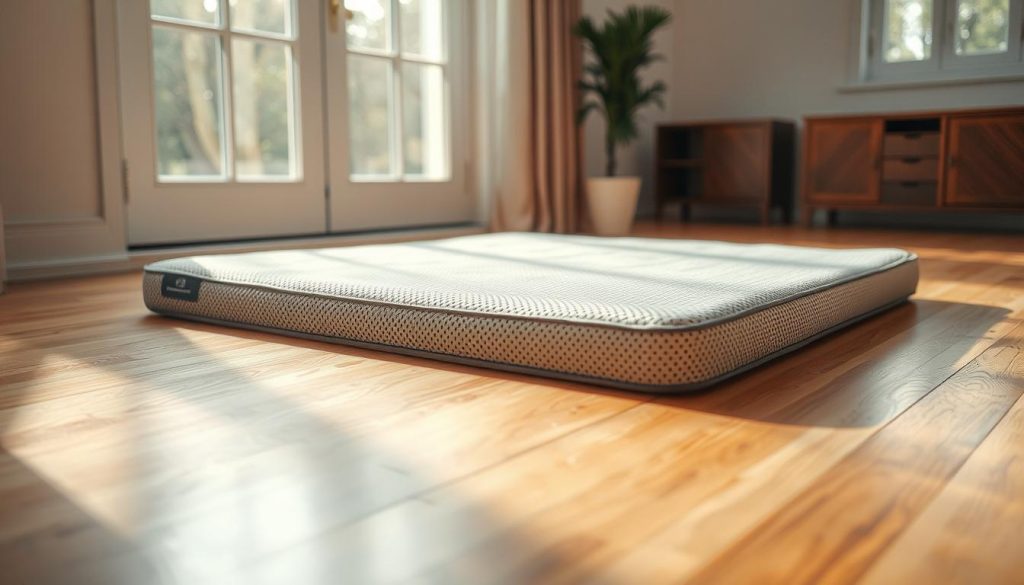
Regular vacuuming is a simple yet powerful way to maintain a fresh and healthy sleeping surface. Over time, dust, allergens, and debris accumulate, creating an environment where dust mites thrive. This can lead to respiratory issues and allergies, especially in Singapore’s humid climate.
Why Vacuum Your Mattress?
Vacuuming removes hidden particles that can affect sleep quality. Dust mites, dead skin cells, and allergens settle deep into the fibers. Regular cleaning prevents these from building up, ensuring a healthier sleep environment.
For those with allergies or respiratory sensitivities, vacuuming is even more critical. It reduces exposure to irritants, helping you breathe easier at night.
Choosing the Right Vacuum Tool
Using the right tools makes a big difference. An upholstery attachment is gentle on the surface while effectively removing dust. Crevice tools are perfect for reaching seams and edges where debris often hides.
HEPA vacuums are ideal for allergen removal. They trap tiny particles, ensuring a thorough clean. Handheld vacuums are great for platform bed users, offering convenience and efficiency.
Technique Tips for Effective Vacuuming
Follow a zig-zag pattern to cover the entire surface. This ensures no spot is missed. Pay extra attention to seams and edges, as these areas collect the most debris.
Strip the bed completely before vacuuming. This allows you to clean the mattress thoroughly without obstruction. Regular maintenance of your vacuum, like emptying the canister and cleaning filters, ensures optimal performance.
How Often Should You Vacuum?
For most people, vacuuming every three to six months is sufficient. However, if you have allergies or pets, consider vacuuming bi-weekly. This frequency helps control dust mites and allergens effectively.
Regular vacuuming not only improves hygiene but also extends the lifespan of your mattress. For more reasons to vacuum your mattress, check out this detailed guide.
Spot Cleaning Stains: Quick and Effective
Accidents happen, but quick action can save your mattress from permanent damage. Whether it’s a spilled drink or an unexpected mishap, stains don’t have to be a nightmare. With the right approach, you can restore your sleeping surface to its original freshness.
Act Fast to Prevent Set-In Stains
The Golden 15-Minute Rule is your best friend when dealing with spills. Acting quickly prevents liquids from seeping deep into the fibers. Start by blotting the area gently with a clean, dry cloth. Avoid scrubbing, as it can push the stain further in.
Safe Cleaners to Use on Your Mattress
Not all cleaners are safe for your mattress. Always test a small, hidden area first to avoid damage. For DIY solutions, mix dish soap with cold water for a gentle yet effective cleaner. For tougher stains, hydrogen peroxide works wonders, especially for blood stains.
How to Tackle Fresh Stains
For fresh spills, blot the area with a damp cloth soaked in a mild cleaning solution. Use a circular motion to lift the stain without spreading it. Rinse with a clean, damp cloth and let the area air dry completely.
For Set-In Stains: Advanced Techniques
Older stains require a bit more effort. Create a paste using baking soda and water. Apply it to the stain, let it sit for 30 minutes, then gently scrub with a soft brush. Vacuum the residue once dry.
Tips to Remember When Spot Cleaning
- Always blot, never scrub, to avoid spreading the stain.
- Use enzymatic cleaners for organic stains like sweat or urine.
- Avoid steam cleaning memory foam, as it can damage the material.
- For common Singaporean stains like curry or soy sauce, act fast and use mild cleaners.
| Stain Type | Recommended Cleaner |
|---|---|
| Blood | Hydrogen Peroxide |
| Curry | Dish Soap + Cold Water |
| Soy Sauce | Vinegar Solution |
| Sweat | Enzymatic Cleaner |
Deodorizing Your Mattress with Baking Soda
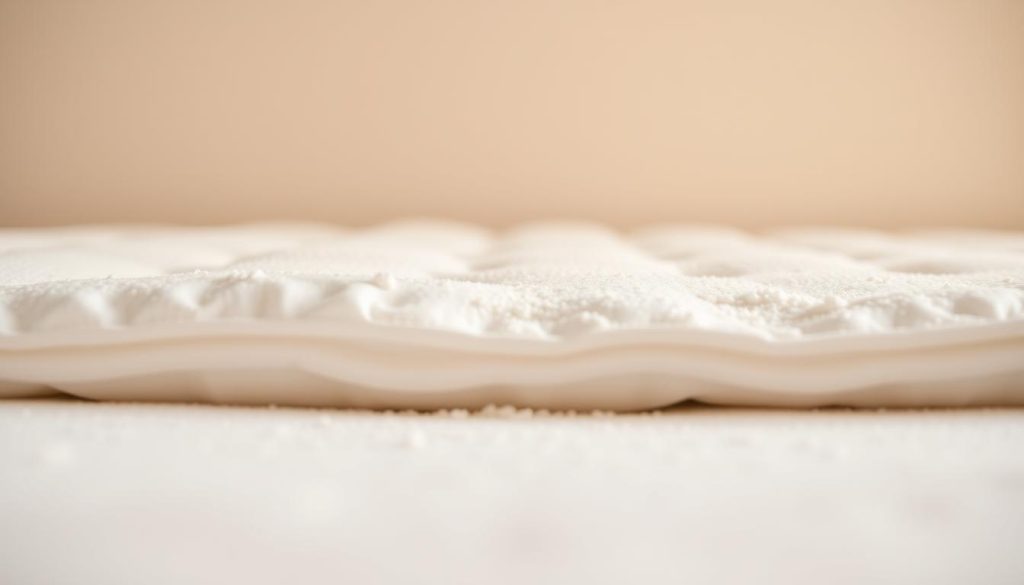
Odors can linger in your sleeping space, but baking soda offers a natural solution. Over time, sweat, spills, and humidity can leave unpleasant smells. Baking soda, with its pH-neutral properties, effectively neutralizes acidic odors, leaving your sleeping surface fresh and clean.
How Baking Soda Works to Eliminate Odors
Baking soda is a natural deodorizer. Its alkaline nature counteracts acidic smells, such as sweat or urine. When sprinkled on the surface, it absorbs moisture and neutralizes odors at the source. This makes it a safe and effective choice for maintaining freshness.
Step-by-Step Guide to Deodorizing
Follow these simple steps to refresh your sleeping surface:
- Strip the bed completely to expose the mattress.
- Sprinkle one cup of baking soda evenly across the surface. For larger mattresses, adjust the amount accordingly.
- Let it sit for at least 8 hours. Midday application works well, especially when Singaporeans are out.
- Vacuum the baking soda thoroughly to remove all residue.
Tips for Maximum Effectiveness
For the best results, consider these additional tips:
- Pair baking soda with sunlight exposure when possible. UV rays help kill bacteria and freshen the surface.
- Add a few drops of essential oils to the baking soda for a pleasant fragrance.
- Avoid using scented powders as alternatives. They may contain chemicals that irritate sensitive skin.
| Step | Details |
|---|---|
| Preparation | Strip the bed and expose the mattress. |
| Application | Sprinkle 1 cup of baking soda evenly. |
| Waiting Time | Let it sit for 8+ hours. |
| Final Step | Vacuum thoroughly to remove residue. |
Managing Moisture and Humidity
Moisture and humidity can silently damage your sleeping surface, especially in Singapore’s tropical climate. Excess dampness leads to mold growth, odors, and a shorter lifespan for your bed. Proper management ensures a fresh and healthy sleep environment.
Protection Is Key: Use a Waterproof Mattress Protector
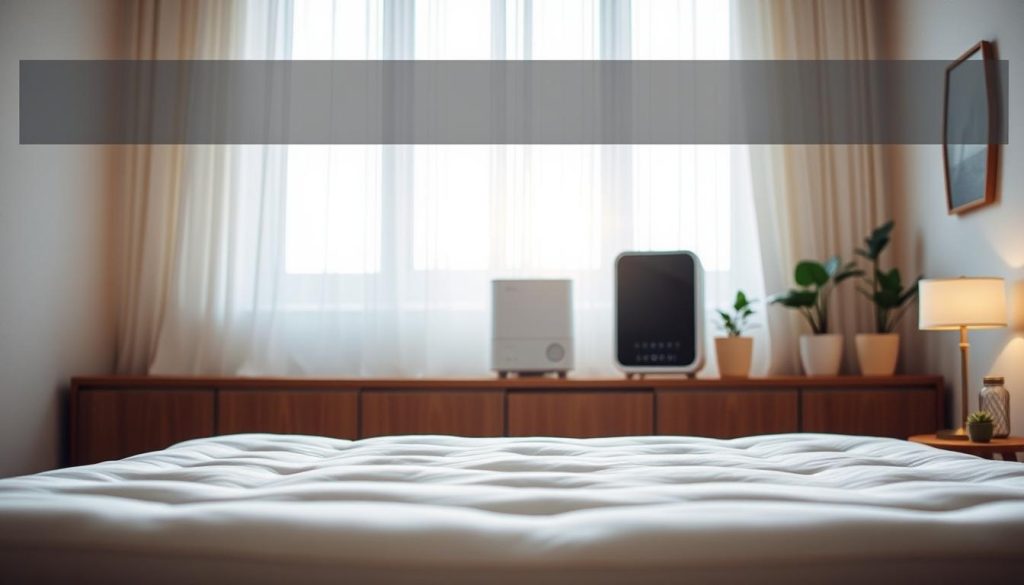
A waterproof mattress protector is your first line of defense. It shields against spills, sweat, and humidity. Breathable materials like Tencel offer added comfort while keeping moisture at bay.
When choosing a protector, consider breathability and durability. PVC protectors are affordable but less breathable. TPU options provide better airflow and are eco-friendly. Both types offer essential support for your sleeping surface.
Ventilation Tactics to Keep Your Mattress Dry
Proper ventilation is crucial for preventing moisture buildup. Use bed risers to elevate your bed, allowing air to circulate underneath. This simple hack reduces dampness and keeps your sleeping surface fresh.
Place a dehumidifier near your bed to control indoor humidity levels. Aim for 30-50% humidity, the ideal range for a healthy sleep environment. Regularly air out your room to promote airflow.
How to Beat Humidity in Singapore
Singapore’s humidity levels often exceed 60%, making moisture control a challenge. Use moisture-wicking bamboo sheets to complement your mattress protector. These sheets absorb sweat and keep you cool.
For a local hack, place silica gel packets in your bed frame. These packets absorb excess moisture, preventing mold and odors. Combine these tips for a dry and comfortable sleep environment.
| Protector Type | Breathability | Durability |
|---|---|---|
| PVC | Low | High |
| TPU | High | Medium |
Regular Protective Cover Washing
Washing your protective covers regularly ensures a fresh and hygienic sleep environment. Over time, dust mites, sweat, and allergens accumulate, making routine cleaning essential. Proper care of your bedding not only improves sleep quality but also extends the lifespan of your mattress protector.
How Often Should You Wash Your Mattress Cover?
Frequency depends on usage and lifestyle. For most households, washing every two to three months is sufficient. However, pet owners or allergy sufferers should wash their covers fortnightly. Regular maintenance prevents the buildup of allergens and ensures a clean sleep space.
Washing Tips for Different Types of Covers
Machine-washable covers are the easiest to maintain. Use a gentle cycle with water heated to 60°C to kill dust mites effectively. Avoid fabric softeners, as they can reduce the protector’s effectiveness. For dry-clean-only covers, follow the manufacturer’s instructions carefully.
Anti-microbial silver-ion treatments are a great addition for added protection. These treatments inhibit bacterial growth, keeping your bedding fresher for longer. Always check the care label to ensure compatibility with your washing method.
Why Hypoallergenic Covers Are Beneficial
Hypoallergenic covers are designed to minimize allergic reactions. They create a barrier against dust mites, pollen, and other irritants. For those with sensitive skin or respiratory issues, these covers are a game-changer. Brands like Slumberland Protect-A-Bed offer Singapore-approved options that combine durability and comfort.
| Cover Type | Washing Frequency | Special Care |
|---|---|---|
| Machine-Washable | Every 2-3 months | 60°C water, no fabric softener |
| Dry-Clean Only | As needed | Professional cleaning |
| Hypoallergenic | Fortnightly (pet owners) | Follow manufacturer’s instructions |
For small HDB laundry spaces, air-drying is a practical option. Lay the cover flat in a well-ventilated area to prevent shrinkage. Avoid direct sunlight, as it can damage certain materials. With these tips, maintaining a clean and fresh sleeping surface is simple and effective.
Rotate Your Mattress Regularly for Even Wear
Regular rotation ensures your mattress maintains its shape and support over time. Without proper care, certain areas may sag or lose firmness, leading to discomfort. This simple practice can extend the lifespan of your bed, keeping it fresh and functional for years.
Why Rotation is Important
Rotating your mattress helps distribute weight evenly. Over time, body impressions can form in areas where you sleep most frequently. By turning it periodically, you prevent uneven wear and maintain consistent support. This is especially crucial for heavier individuals or those who sleep in the same spot every night.
How to Rotate Your Mattress Correctly
Different types of mattresses require specific rotation techniques. For Casper mattresses, a 180° turn is recommended. Spring mattresses, on the other hand, may need flipping to ensure even wear. Always check the manufacturer’s guidelines before attempting to flip or rotate your bed.
- For cardinal directions: Rotate the head to the foot of the bed.
- Use tools like mattress handles or straps for heavy mattresses.
- Avoid DIY flipping without proper instructions to prevent damage.
Frequency of Rotation for Optimal Results
For most mattresses, rotating every three to six months is sufficient. However, if you weigh over 90kg, consider rotating monthly to maintain support. Setting calendar reminders during equinoxes can help you stay consistent with this routine.
Regular rotation not only prevents sagging but also ensures a comfortable sleep environment. By following these tips, you can maximize the lifespan of your mattress and enjoy better sleep quality.
Selecting the Right Bed Base for Your Mattress
The foundation of your sleep setup plays a crucial role in ensuring comfort and durability. A compatible bed base not only enhances your sleep experience but also protects your investment. Without proper support, even the best mattress can sag or wear out prematurely.
Why a Compatible Base Matters
Your mattress needs a solid foundation to perform at its best. A mismatched base can lead to uneven wear, reduced comfort, and even void warranties. For instance, memory foam mattresses require firm, evenly spaced slats to prevent sagging.
In Singapore’s compact living spaces, choosing the right base is even more critical. HDB-friendly options like the Noa Platform Bed offer both style and functionality. These bases are designed to fit smaller rooms while providing the necessary support.
Choosing Between Smart Bases, Platform Beds, and Box Springs
Each type of bed base has its advantages. Smart bases are ideal for those who value customization. They often come with adjustable settings to reduce pressure points and improve sleep posture.
Platform beds are a popular choice for modern homes. They offer a sleek design and eliminate the need for a box spring. For memory foam mattresses, ensure the slats are spaced no more than 5cm apart for optimal support.
Box springs, on the other hand, are best suited for innerspring mattresses. They add height and absorb shock, extending the life of your mattress. However, they may not be compatible with all mattress types.
How the Right Base Extends Mattress Life
A well-chosen bed base distributes weight evenly, preventing sagging and wear. It also ensures proper airflow, reducing moisture buildup in Singapore’s humid climate. This is especially important for memory foam mattresses, which can trap heat.
Proper support also keeps your warranty intact. Many manufacturers require specific types of bases to validate their guarantees. Always check the mattress guidelines before making a purchase.
- Measure your HDB room dimensions to ensure the base fits perfectly.
- Opt for adjustable bases to reduce pressure points and improve sleep quality.
- Choose bases with warranties for added peace of mind.
Conclusion: Maintaining a Clean Mattress for Better Sleep
A clean mattress is the foundation of a restful night’s sleep, especially in Singapore’s humid environment. By following the 7-step Clean Sleep Protocol, you can ensure a fresh and healthy sleeping surface. Regular care not only improves sleep quality but also saves you from frequent replacements.
Pairing mattress cleaning with pillow routines enhances overall hygiene. For seasonal maintenance, prepare for monsoon humidity and deep clean during CNY. These small steps make a big difference in maintaining a fresh sleep environment.
Start tonight with a simple 10-minute vacuum. This quick action sets the tone for consistent care. A clean mattress is an investment in better sleep and long-term savings.

