
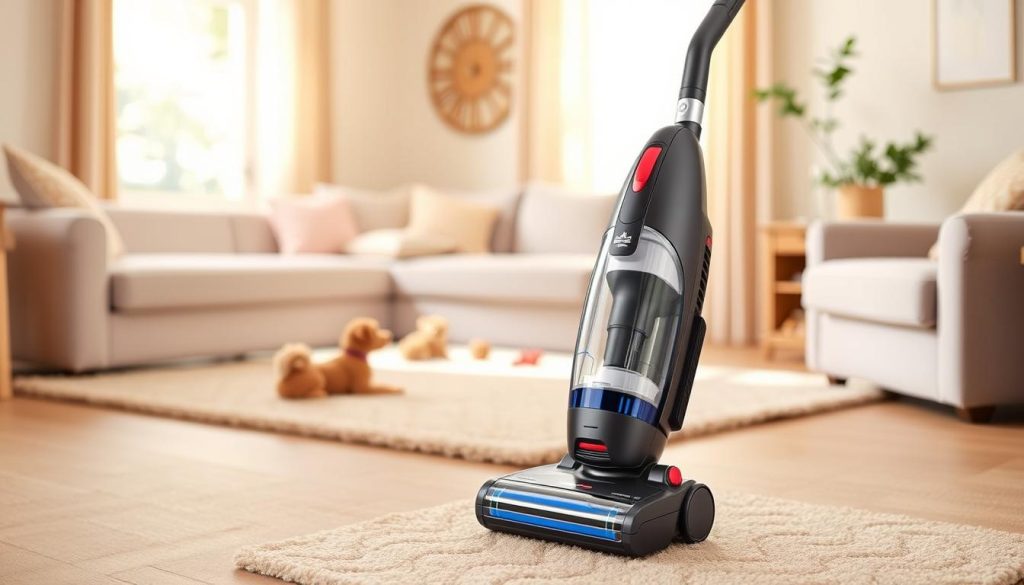
Living in Singapore’s warm, humid climate means a single indoor accident can spread an unpleasant odour through our home very quickly. We recognise this is common for many pet parents and busy households.
Our goal is clear: remove residue and microbes at the source, not just mask the problem with fragrance. Acting fast limits bacteria growth and stops smells from sinking into fibres and padding.
We will guide you step‑by‑step: immediate safe removal, effective cleaning and disinfection, a dedicated method for carpet and rug fibres, then air deodorising and whole‑home control. Practical tips and short dwell times keep your pet and family comfortable.
For tougher cases, we recommend a focused extraction step such as the Lura Wet & Dry method, followed by an enzymatic treat. Stay calm—our best friend can remain close once treated areas are dry and safe.
Act fast to stop dog poop smell setting into your home
Immediate action limits bacterial growth and reduces lingering odour. In Singapore’s warm, humid climate, microbes multiply quickly and make odours worse with time. When an incident happens, minutes matter — quick removal reduces the chance of staining and deep contamination.
Safe removal routine:
- Put on rubber gloves before touching any solids.
- Use sturdy cardboard or a kitchen towel to lift waste; avoid scraping or smearing.
- Seal used cardboard and towels in a bag and place it straight in the bin.
Contain the affected area. Keep children and pets away and avoid walking through the spot. Do not blot — pressing spreads residue deeper into fibres and makes it harder to get dog poop out later.
Keep a ready kit of bags, spare towels and gloves near common accident zones so we can respond within minutes. While cleaning, keep our pets clear of chemical cleaners and residues; dogs eat surprising things when curious.
For carpet extraction tips, see our practical guide on fast carpet clean-up with a Lura.
Clean and disinfect the affected area properly
The next step is a thorough cleaning process that treats the surface beneath visible stains. We move from removal to true cleaning because odour often remains when microscopic residue is left behind.
Mopping hard floors with hot water and a mild detergent solution
For tile, vinyl or laminate, mop the area with hot water and a mild detergent solution. Work slightly beyond the visible spot so splashes are captured and not left to dry on surrounding surfaces.
Let the solution sit for a few minutes
Allow the detergent mix to sit for several minutes so it can break down residue and reduce odour‑causing microbes. This dwell time is part of the process and is more effective than wiping straight away.
Rinse or wipe again with clean water where needed to remove any sticky detergent film. Then dry thoroughly with clean towels and airflow; damp surfaces in Singapore’s humidity can become a new odour source.
If the smell persists after drying: avoid heavy fragrances. Instead, proceed to targeted deodorising methods or a specialised cleaner product. In tougher cases we may need a focused extraction step to fully rid dog poop residue and its odor.
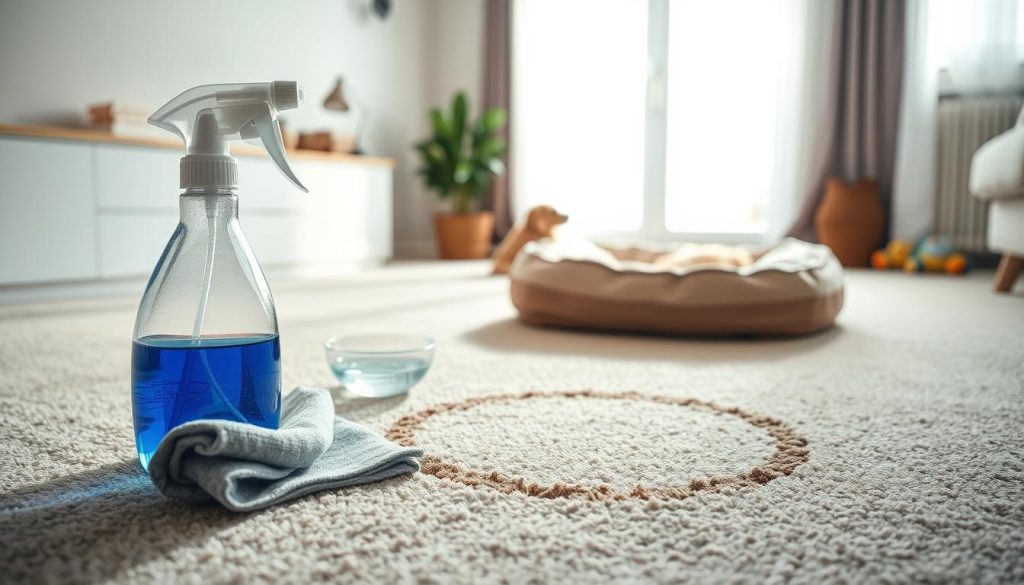
dog pooped in house how to get rid of smell from carpets and rugs
A rapid, targeted carpet routine prevents stains and trapped odour from becoming permanent. We prepare before we touch the fibres so we waste no time. Gather an oxygen-based cleaner, a bucket with hot water, a little laundry detergent, a soft-bristled brush, white vinegar, kitchen towels and a vacuum cleaner.
Pre‑treat and lift the stain
Patch-test the oxygen-based cleaner in a hidden corner. Apply it to the mark and let it act to break down residue.
Scrub, rinse and blot
Mix about two splashes of detergent into 4 litres of hot water and let the solution sit on the stain for ~15 minutes. Scrub from the outside in with the soft-bristled brush, then rinse with clean water and press dry using towels. Do not rub — blot only.
Neutralise and finish
Rinse with equal parts white vinegar and water, leave a few minutes, then blot dry. Once the area is fully dry, sprinkle bicarbonate of soda and leave for 24 hours before vacuuming thoroughly.
“Use a patch test and avoid heavy scrubbing on delicate fibres.”
Material check: many synthetic carpets cope with this method. Wool or fine rugs may need professional cleaning to avoid shrinkage or colour loss. Keep pets away from bicarbonate — dogs eat large amounts and it can be harmful.
Deodorise the air without just masking the problem
Freshening indoor air begins with moving it — not masking it. After we clean the source, we focus on circulation so remaining odour particles do not linger in stagnant rooms. This is a practical, low‑effort way to improve comfort across the home.
Ventilation and circulation
Open windows and doors where feasible in Singapore flats. Create cross‑ventilation and run fans so air is pushed out rather than simply stirred. Position an exhaust fan or a standing fan near an open window to aid the flow.
Even one to two hours of strong cross‑ventilation after cleaning can noticeably reduce smells. If weather or neighbours limit windows, run fans and consider briefly using an extractor in bathrooms or kitchens.
Targeted freshening
Only use pet‑safe sprays and products after the affected area is cleaned and dry. Sprays such as Febreze pet odour product lines can help on fabrics; do not spray directly on any animal.
Natural options many people prefer include lavender or peppermint oil in a diffuser, used sparingly and with pets kept comfortable in another room. If we still detect strong faecal odour, we re‑check the spot and surrounding fibres rather than adding more product.
For more detailed household approaches, see our suggested methods at home deodorising tips.
Whole-home odour control when smells spread beyond the spot
A single incident can leave traces across rooms, so we widen our focus to whole‑home control. Working beyond the original patch prevents recurring problems.
Vacuum thoroughly and often. We vacuum carpets, rugs, curtains and sofa crevices repeatedly. Clean or replace vacuum cleaner filters so we are not circulating trapped hair and dander back into the air.
Wash soft furnishings and bedding. Removable covers, throws and cushion covers should go through a hot‑but‑safe wash. We prioritise the dog bed — it often forms the epicentre of pet odour. Wash washable toys and fabric leads too, so smells don’t return.
Neutralise fabrics, don’t just perfume them. Use fabric‑safe deodorising methods such as a light sprinkle of baking soda on upholstery, then vacuum. For leather, wipe with a lightly damp cloth and avoid over‑saturation.
Absorb and improve air quality. Place activated charcoal pouches near the affected room for a few hours to pull persistent odour from the air. Change HVAC filters more often if we have pets and consider an air purifier to lower airborne microbes.
Close the loop with a simple routine. Weekly vacuuming and regular washing of bedding stops a baseline pet scent building up. Small, consistent steps keep our home feeling fresh long after a single incident.
Conclusion
A short, ordered process removes residue and stops odour from settling into fabrics. Act within minutes, remove solids, then clean with hot water and detergent. Let solutions dwell so microbes break down and the work is effective.
Treat carpets and rugs with pre‑treatment, neutralise with vinegar and finish with bicarbonate for hours where needed. Ventilate and vacuum; these methods reduce lingering odour and prevent repeat problems.
For tougher spots, get dog poop out with targeted extraction and follow by neutralisers. Regular maintenance — vacuuming, washing bedding and changing filters — keeps routine control.
We are pet parents too. Accidents happen, but with the right process we can safely restore a fresh home and keep our friend comfortable.

