
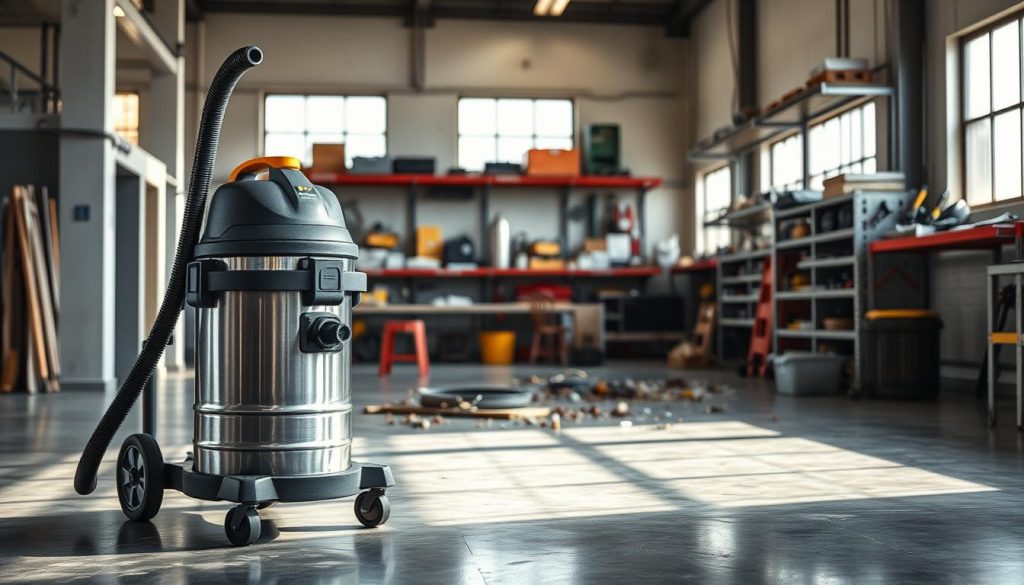
We introduce what an industrial vacuum cleaner wet and dry solution aims to do on commercial sites in Singapore. We explain why mixed dust and spill response matters for facilities with high footfall and varied trade activities.
In this guide we cover applications, safety, filtration, performance metrics, formats and maintenance. We clarify that marketed wet dry vacuum options vary widely and that not all units suit continuous operation.
We aim to help decision-makers who need fewer stoppages, faster workflows and consistent results across mixed surfaces. Expect clear buying checkpoints: suction, airflow, filters, tank size, compliance and attachments that cut rework.
Choosing the right model reduces downtime, protects staff health and improves operational efficiency. We set expectations for total cost of ownership and practical advice for long-term use of vacuum cleaners on site.
Who this guide is for and what “commercial use” means in Singapore
For facilities teams in Singapore, “commercial use” means higher turnover, stricter hygiene and heavier wear than at home.
We write for facility managers, cleaners, contractors and procurement teams who must keep public and work spaces safe with minimal disruption. High footfall, rapid shift changes and local hygiene rules raise the bar for equipment selection.
Typical cleaning challenges in fast-paced workplaces
Sites often face tracked-in dirt, packaging scraps, fine dust from processes and sudden liquid spills. These mixed messes demand machines that cope with varied debris and long operating hours.
When a general vacuum is not enough
A standard dry vacuum cleaner can clog, lose suction under load and lack multi-stage filtration. Short duty cycles and frequent maintenance create downtime that hurts productivity.
- Choose for duty cycle: buy for mess profile and run-time, not just motor watts.
- Shared use matters: durable build, easy servicing and predictable performance reduce headaches.
- Operational realities: noise, indoor air quality and safe emptying affect public-facing sites.
Wet and dry vacuum cleaner basics for industrial and commercial cleaning
We outline what a single wet dry unit does that separate machines cannot.
We explain that wet dry systems separate recovery paths and use water-safe components. This design lets teams pick up loose dust, dirt and small pools of water without swapping gear.
Common mess types include tracked-in dust, loose debris, spillages and floor water after mopping. In kitchens, bathrooms and workshops these mixed messes happen often.
Using wet dry vacuums reduces repeated passes and speeds turnaround. Post-mop water pick-up, minor leaks and washdown recovery are clear use cases where wet pick-up is essential.
We note a key boundary: running a dry vacuum cleaner against wet material or mixing fine dust with liquid without the right changeover damages equipment and risks poor hygiene.
- Terminology: we use “wet dry” to mean dual-mode recovery, and “dry vacuum cleaners” when referring to dry-only machines.
- Outcomes: fewer slips, faster cleaning cycles and a more consistent floor finish.
Industrial vacuum systems vs commercial vacuums: the key differences
Procurement teams need clear lines between factory-grade systems and office-grade machines to avoid costly under-specification.
Continuous-duty design and durability in harsh environments
Factory-grade systems use heavy-duty construction, turbines rated for long run times and service parts built to resist wear. We recommend units with sealed seals, metal impellers and service access panels for fast repairs.
Higher performance for dense materials and production waste
Higher power and sustained airflow prevent blockages when handling dense materials such as pellets, cement or metal shavings. Lighter machines often lose suction or suffer hose abrasion under this load.
Integration with machinery and automated processes
Systems can connect at source to collect waste directly from a machine or line. This lowers airborne contaminants, cuts manual handling and supports uptime for critical applications.
“If a task ties to production uptime or safety, start with a line‑rated system.”
- Choose by risk: hazardous dust or explosive atmospheres need certified options.
- Decide on durability and serviceability, not only initial cost.
Where industrial wet dry vacuums are used across Singapore industries
Operational realities in factories, food sites and work shops determine which features matter most for safe, quick clean‑up.
Manufacturing and production floors
On production lines we focus on continuous cleaning to protect uptime. Regular removal of loose particles prevents build-up around machines and reduces slip risks.
Food processing and hygiene‑critical zones
Hygiene is central. Controlled collection, sealed emptying and high-grade filtration lower cross‑contamination risks and meet regulatory expectations.
Pharmaceuticals and contamination control
Cleanroom‑adjacent tasks need tight dust containment and validated procedures. We pick systems that protect product integrity and staff health.
Construction, cement and fine hazardous dust
Sites handling silica or cement require robust recovery, safe disposal and filters rated for fine dust. For certain sites, certified units are essential for safety.
Metalworking, automotive and coolant residues
Workshops often face mixed wet waste and oily residues. Chemical‑resistant components and wet pick‑up capability speed cleaning and cut rework.
Chemicals, plastics and combustible dust risks
Powders in this sector can be combustible. We recommend grounded, certified options and procedures that address ignition risk.
- Practical tip: match site materials to filter class and recovery method.
- Find options: consult our cleaning equipment range for models suited to local applications.
Materials and contaminants to plan for before you buy
Start by mapping the exact materials your site generates; wrong matches cause most failures.
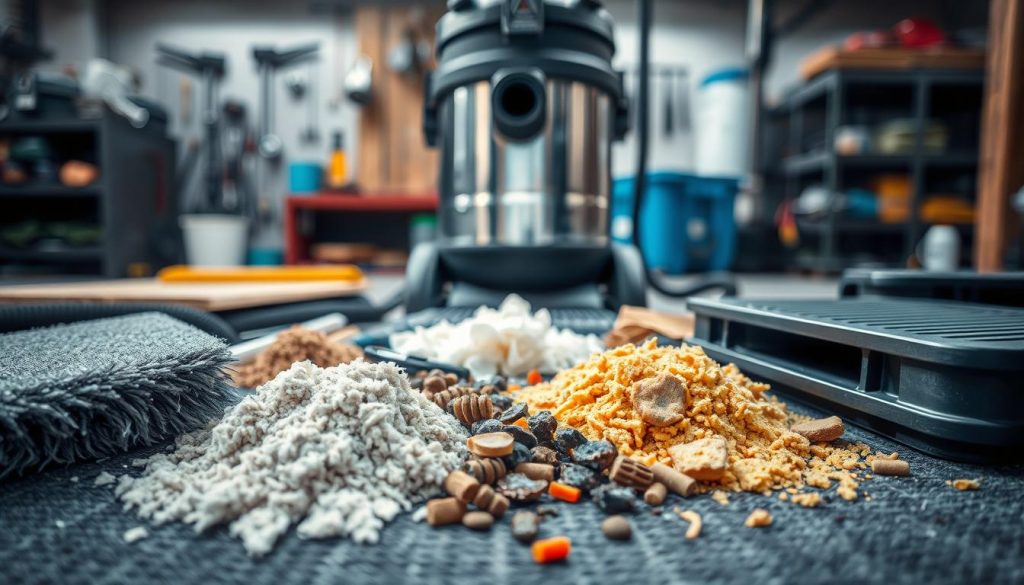
Fine dust such as silica, flour, toner and powder coatings need high-grade filtration and tight seals. Filters that meet HEPA or equivalent capture protect staff health and stop dust migrating to adjacent areas.
Heavy particles — pellets, cement and metal shavings — demand larger hose diameters, robust inlets and a sturdy tank for fast emptying. These features cut blockages and reduce wear on parts.
Oils, coolants and other liquid waste require materials that resist degradation. Plan for separation or settling methods and safe disposal routines to avoid contamination and harm to equipment.
- Mixed debris loads filters faster and raises maintenance frequency.
- Choose products designed for the primary contaminant to reduce rework.
- Operator routines for emptying and filter checks protect performance and hygiene.
| Contaminant | Key risk | Design feature to prioritise |
|---|---|---|
| Fine dust (silica, toner) | Respiratory harm, migration | High-grade filtration, sealed exhaust |
| Heavy particles (metal, cement) | Blockage, abrasion | Large hose, robust inlet, durable tank |
| Oils and coolants | Material degradation, liquid spills | Chemical-resistant components, separation plan |
Performance metrics that matter: suction power, airflow and flowrate
Understanding measurable performance figures helps us choose a unit that actually clears a production area instead of just looking impressive on paper.
Suction power, airflow and flowrate are the trio buyers must compare. Flowrate (m³/hour) is the volume of air moved per hour; higher flowrate improves pickup of dust and light contaminants across a floor and inside machine housings.
How flowrate affects real-world pick-up on floors and machines
Greater flowrate increases the area cleaned per pass and helps lift debris from crevices in equipment. For tight housings, stable airflow through filters matters more than a single peak lift number.
Motor power and efficiency for large spaces
Higher rated power does not always equal better performance. Well‑designed airflow paths, seals and filtration can deliver superior suction power with lower energy draw.
Matching performance to debris size and surface type
Fine dust needs steady airflow and multi-stage filtration to avoid re-entrainment. Heavier fragments need lift and a non-restrictive hose path.
- Test on-site: same area, same debris, same operator to validate productivity.
- Match nozzles to surfaces—rough concrete, epoxy or anti‑slip tiles require different airflow profiles.
Filtration and health protection: filters designed for workplace safety
Good filtration is the unseen safeguard that keeps workplace air breathable and compliant.
In Singapore sites, filters are a buying priority because they protect staff, meet compliance expectations and stop dust spreading to adjacent areas.
HEPA and ULPA filtration for harmful fine dust
HEPA and ULPA capture very small particles that harm respiratory health. Confirm the class and capture efficiency for the specific dust on your site.
Brands such as Nilfisk and Electrolux supply advanced filtration options suited to hazardous fine dust and allergen control.
Upstream and downstream stages to protect the motor
Multi-stage systems place a pre-filter upstream to trap coarse matter and a final high-grade filter downstream to protect operators and exhaust air.
This layout preserves suction over long runs and reduces wear on motor components.
Reducing allergens and improving indoor air quality
Good filters lower airborne allergens and cut re-suspension in shared spaces. That benefits staff health and keeps public areas cleaner between shifts.
“A strong unit without the right filter can still put people at risk.”
- Check gasket integrity and safe access for filter changes.
- Look for loading indicators and sealed disposal paths.
- Match filter spec to the dust hazard rather than motor power alone.
Safety and compliance: controlling hazardous and combustible dust
Before selecting any site equipment we assess risk, containment and regulatory duties so staff and operations stay protected.
When to consider ATEX-certified models for explosive zones
If process material can form a combustible dust cloud, standard machines are not enough. We check zone classification, particle size and ignition sources.
Nilfisk supplies ATEX-certified models for Zone 21/22 that prevent sparks reaching collected dust and reduce ignition risk.
Preventing cross-contamination in regulated environments
Food processing and pharmaceutical sites need controlled emptying and sealed collection to avoid cross-contamination.
- Use dedicated tools and colour-coding for specific areas.
- Adopt sealed bags or liners and validated cleaning steps.
- Ground equipment, employ controlled emptying and keep routine housekeeping to cut secondary dust clouds.
“Can pick up dust” is not the same as “can safely contain and dispose of dust”.
| Check | Why it matters | Ask suppliers |
|---|---|---|
| Certifications | Confirms safe use in hazardous zones | Provide ATEX class and test reports |
| Filtration | Protects staff health and exhaust integrity | Filter class, test standards and change intervals |
| Operational safeguards | Limits secondary clouds and ignition | Grounding, sealed emptying, maintenance plan |
Quick buyer checklist: identify zone, list materials, demand certification, confirm maintenance and test records before purchase.
Choosing tank capacity, recovery performance and wet dry changeover
A well‑matched recovery tank balances run‑time with manoeuvrability in busy sites.
Right‑sizing saves time. Size the tank to spill frequency, total floor area and the cost of stoppages during shifts. Larger vessels cut emptying pauses but can slow movement in tight aisles. We weigh run‑time against ergonomic handling when recommending models.
Recovery performance and safer floors
Fast water pick‑up improves floor safety and shortens reopening time. Electrolux wet/dry models speed floor drying and some have self‑clean systems that reduce maintenance time. Winston Engineering reports fewer stoppages and better overall efficiency where recovery is optimised.
Best practices for switching modes
Follow a clear changeover routine to protect filters and avoid sludge. Remove or replace pre‑filters when shifting to liquid pick‑up. Rinse and fully dry tanks after use, and store parts to prevent odour and bacterial growth.
| Decision factor | Why it matters | Practical action |
|---|---|---|
| Tank capacity | Determines run‑time and emptying frequency | Match to spill rate and shift length |
| Recovery speed | Affects floor drying and reopening time | Choose models with high pick‑up flow and quick‑dry features |
| Changeover routine | Protects filters and reduces odour | Document steps, train staff, schedule rinsing |
Industrial vacuum cleaner wet and dry formats and build quality
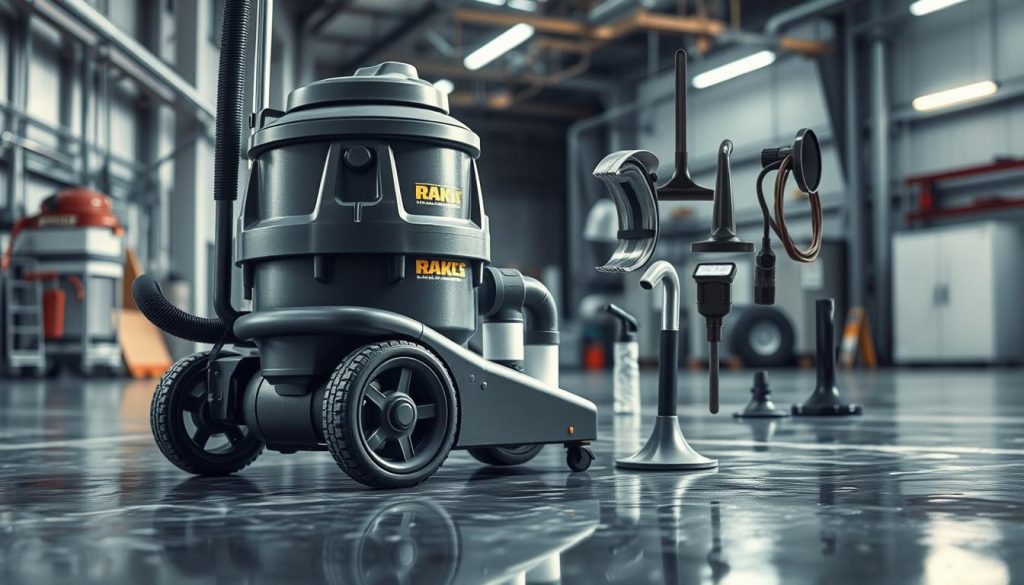
Form factor and build often matter more than a spec sheet. We assess the main formats so teams in Singapore can match gear to task, space and duty cycle. For clarity, we include one model name: an industrial vacuum cleaner wet and dry choice often appears in heavy‑duty fleets.
Drum models for heavy workshop and renovation clean‑ups
Drum machines suit busy workshops and renovation sites. Electrolux drum wet dry vacuum units offer high capacity, strong airflow and a blower function to clear corners and tool areas.
They handle large debris, run long shifts and reduce stops for emptying.
Cordless stick format for daily floor care
Cordless stick wet dry models excel in small retail zones and offices. These machines deploy fast, combine vacuuming with mopping and free teams from cable management.
Corrosion‑resistant materials and robust construction for longevity
Nilfisk-style construction using stainless steel and corrosion-resistant parts extends service life. Look for impact‑resistant housings, stable castors and durable latches.
“Good build reduces repairs and keeps suction steady over years.” Match a format in your product range to duty cycle, waste type and space, not aesthetics.
Attachments and nozzles that improve cleaning efficiency
Choosing the right accessories often delivers bigger productivity gains than upgrading motor size. We focus on tools that cut repeat passes, improve edge work and suit varied site surfaces.
Multi-surface tools for floors, upholstery and tight spaces
Electrolux multi-surface tools and the TriAction nozzle deliver broad contact and efficient pick-up. The TriAction nozzle claims 99% debris pick-up when used with mopping routines.
Use soft-bristled heads on hard floor and specialised beater bars on carpet. Small brush nozzles work well on upholstery and vents.
Specialist nozzles and smart features that reduce rework
Smart dirt detection flags high-traffic spots so teams focus effort where it matters. Specialist channelled nozzles reduce clogging and direct debris into the collection path.
Blower function for clearing benches and renovation areas
Many drum models include a blower to push loose debris from corners before final passes. This saves time in workshops and renovation zones.
- Check accessory storage and spare availability.
- Verify which attachments are rated for liquid use.
- Match floor tools to minimise residual grit and slip risk.
Tip: the right nozzle set makes our teams faster, safer and more consistent with their cleaning results.
Maintenance, downtime and hygiene features to look for
Regular care keeps seals tight, filters effective and suction consistent over time.
Self-cleaning systems and faster drying for safer floors
We favour units with an automatic rinsing cycle. Electrolux models with a self-clean option cut manual maintenance and shorten turnaround. Reduced residual water helps floors dry quicker; this lowers slip risk and improves hygiene.
Antibacterial water tanks and odour control
Antibacterial tanks that claim 99.9% reduction are useful where organic residues recur. They limit odour buildup during storage in humid Singapore sites. Nilfisk designs focus on modular parts for fast access during servicing.
Filter care routines that protect suction and performance
Inspect the filter weekly in shared areas; replace or clean following manufacturer guidance. Signs of blocked filter include reduced suction and higher motor load. Neglect shortens service life, lowers performance and raises airborne dust risks.
- Practical habit: keep a simple log for seals, filter changes, hoses and tanks to cut downtime.
- Safe steps: remove filters with minimal dust release, dry fully after wet use before reinstallation.
Cost of ownership in Singapore: beyond the product price
Total cost of ownership goes beyond the sticker price and shapes long‑term site budgets. We compare what you pay now with what you spend over years on parts, labour and lost operational time.
Consumables, filters and servicing over time
Filters and other expendables drive predictable recurring costs. Higher‑grade filter choices cost more up front but cut motor wear and lower exposure risks.
Servicing availability matters: local parts, quick turnaround and on‑site support reduce downtime. Winston Engineering and Nilfisk note savings over time when parts are preserved and workflows stay reliable.
Productivity gains from faster cleaning and reduced downtime
Faster cleaning reduces closures and rework. Electrolux reports promotions and delivery options that shorten procurement time and help teams deploy products faster.
We quantify value by comparing labour minutes saved per shift against supplier support and consumable spend.
| Cost area | Why it matters | What to check |
|---|---|---|
| Consumables | Recurring expense | Filter lifespan, price, availability |
| Servicing | Downtime risk | Local support, loan units, turnaround |
| Productivity | Operational losses | Cleaning time saved per shift |
Procurement checklist: compare products by lifecycle value, include consumable cost per year, supplier servicing terms, and measured efficiency gains. For practical routines, see our professional house cleaning checklist.
Budgeting and pricing expectations for wet and dry vacuum cleaners
A practical budgeting approach links model spec to run‑time needs, not just the lowest promotional price.
We set realistic expectations for Singapore procurement by using market examples. Electrolux wet dry vacuum offers typically range from entry level to premium, depending on format and promotions.
Typical price ranges seen in market promotions
Promotions can reduce prices by up to 47%. Deals may include free delivery and 0% instalment plans. These incentives help cash flow but do not change spec.
Balancing upfront cost with performance and durability
Cost drivers include motor design, tank capacity, filter grade, materials, included tools and safety certification.
- Set a minimum spec baseline for filtration, recovery rate and capacity before comparing discounts.
- Verify which accessories and consumables are included, and confirm warranty terms.
- Compare lifecycle cost: a cheaper product often costs more in parts and downtime.
| Consideration | Why it matters | Action |
|---|---|---|
| Price range | Shows market position | Use typical market price bands as reference for approvals |
| Promotions | May omit essentials | Check included tools, filters and delivery |
| Durability | Impacts long-term cost | Prioritise build quality and service support |
How we recommend selecting the right model for your site
A quick survey of floor finishes and typical materials will point us to the right model family.
Assessing surfaces, materials and frequency of use
We map every zone by surface type and by the materials that build up there. Rough concrete, tiled corridors and soft furnishings each need a different approach.
Frequency of use sets required capacity and service intervals. Winston Engineering shows that matching these inputs reduces downtime and keeps hygiene levels steady.
Deciding on corded vs cordless for your workflow
Decide corded for long, uninterrupted runs where power access is steady. Choose cordless where mobility and quick response matter most, such as retail aisles and pop-up zones.
Balance run-time, charging discipline and how far teams must travel between outlets when picking the type to deploy.
Shortlisting based on filtration, safety and capacity needs
Start with non-negotiables: filters that suit your dust class, any ATEX or safety options for hazardous materials, and tank capacity that matches spill frequency.
Nilfisk options suit hazardous zones with certified filtration. Electrolux offers drum and cordless stick formats for differing capacity and access needs.
Planning for operator training and safe emptying routines
Train staff on sealed emptying, filter changes and correct tool selection to avoid cross‑contamination. Simple routines prevent exposure and keep performance consistent.
- Step-by-step method: audit surfaces and materials → decide corded vs cordless → shortlist models by filters, safety, capacity → train operators and document emptying steps.
- Practical checks: weight, manoeuvrability, tool change speed, and noise levels influence daily use.
Conclusion
Conclusion
To close, we offer a short, action‑focused checklist that turns specification into results.
Start with your dust and waste profile, confirm safety and compliance, then validate performance and filter quality before you choose a format. Nilfisk’s certified filters improve workplace health; Electrolux shows the value of flexible wet dry designs for spills and mixed debris.
Good filtration and regular filter care protect staff and keep performance steady. The right machine reduces equipment count, speeds response and lowers downtime.
Document materials, frequency, surfaces, capacity and safety limits. Shortlist two to three options, request an on‑site demo and confirm consumables plus servicing support in Singapore.

