

We offer a targeted, on-site solution for fresher, more hygienic sleep in Singapore’s warm, humid climate. Our chemical-free approach uses high-temperature vapour sanitisation to reduce germs, bacteria and allergens.
What we mean by steam cleaning is a fast vapour process that sanitises the sleep surface without harsh chemicals. It is proven to remove around 99% of common microbes and allergy triggers, making it ideal for households that prioritise low-tox methods.
We set realistic expectations. While hygiene and allergen reduction are strong suits, heavy surface soiling may not be fully lifted by vapour alone. In those cases, we can advise on deep cleaning alternatives later in the guide.
Who should book us? Families with allergy concerns, those tackling odours, and anyone wanting professional mattress cleaning on-site. Read on to learn what lives inside a bed, when to book, our process and how this method compares with other cleaning options.
Mattress cleaning in Singapore for a healthier sleep environment
In Singapore’s warm, humid climate, routine mattress cleaning is essential for basic household hygiene. Moisture and heat help microbes and pests thrive, so upkeep is more than an occasional chore.
Why protectors aren’t enough
Protectors help surface stains and spills, but they do not stop allergens and small pests from drifting or burrowing over time. Tiny particles — dead skin, body oils and food crumbs — still collect below covers and within layers.
How a dirty sleep surface affects your room
Build-up reduces comfort and can disturb sleep. Movement on the bed re-circulates fine dust and mite-related allergens into the surrounding air, making the bedroom feel less fresh even after sheets are changed.
For typical Singapore homes with air-conditioning and limited ventilation, this matters. Regular mattress cleaning supports a cleaner environment, fewer irritants and better comfort. These outcomes lead naturally into what might be hiding inside your bed.
What’s hiding inside your mattress: dust mites, bacteria, mould and more
Beneath sheets and protectors, everyday debris builds up and feeds microscopic life.
Common internal build-up
- Dead skin cells and natural body oils — these are the main food source for dust and mites.
- Perspiration and tracked-in dirt that seep into fibres and layers.
- Crumbs, food residue and light stains that lodge beneath covers.
Allergens and irritants
Key offenders include dust mites, mite faeces, pet dander, pollen and fungal spores. Each can irritate airways, trigger itchy eyes and cause skin flare-ups or coughing.
Poor ventilation — why this happens
Thick, layered constructions and shaded rooms create a warm, moisture-retaining micro-climate. That lack of airflow encourages mould, bacteria and higher counts of mites over time.
| Fast fact | Typical figure | Why it matters |
|---|---|---|
| Daily skin shedding | Up to 10,000 million cells | Provides constant food for dust and mites |
| Female mite reproduction | Up to 300 eggs | Rapid population growth in favourable conditions |
| Potential infestation | Up to 10 million dust mites | High allergen load without visible dirt |
| Excrement volume | ~200× body weight | Main driver of allergy symptoms |
Watch for morning congestion, itchy eyes, coughing or eczema flare-ups. These signs often mean deeper hygiene action is needed.
To reduce allergens and embedded bacteria you need a method that reaches the full sleep surface and layers — not just surface fabrics.
Our mattress steam cleaning service: chemical-free sanitising with high-pressure steam
Our on-site approach uses controlled high-temperature vapour to sanitise the sleep surface without harsh chemicals. We apply pressure and heat to reduce microbial counts and lessen common allergy triggers while keeping fabrics safe.

How hot vapour targets germs, bacteria and allergens
Heat is the active agent. High-temperature vapour penetrates fibres to inactivate germs and bacteria and to disrupt dust-mite habitats. This method is commonly cited as roughly 99% effective at killing many microbes and allergens.
When this method is the right choice
Choose vapour for routine hygiene upgrades, odour control, allergy reduction and general maintenance. It breaks down light soiling and greatly lowers microbial load.
When to choose another option — heavy surface soiling or deep-set stains may need extraction or targeted treatments. We recommend this for natural fibres where high heat can risk shrinkage or damage.
- Best for synthetic-fibre constructions.
- Ideal for homes prioritising chemical-free solutions.
- Part of a wider set of solutions we offer depending on condition and concern.
For a practical how-to and maintenance tips, see our short guide on safe at-home methods: how to steam clean at home. Next we cover when to book professionals and recommended timing for Singapore conditions.
When to book professional mattress cleaning
Deciding when to book a professional visit depends on your household use and health priorities. In Singapore’s heat and humidity, timing matters more than in cooler climates.
Recommended frequency for general maintenance
We suggest routine visits every 3–6 months. For many homes, that means a half-yearly to quarterly schedule depending on traffic and ventilation.
How often to treat stained sleep surfaces
If you notice fresh stains or odour from perspiration and spills, book a session quarterly. Prompt attention prevents stains from setting and reduces persistent smells.
Homes with asthma, eczema or dust mites
Where asthma, sinus issues or dust mite allergies occur, increase visits to monthly or once every two months. Frequent professional attention reduces allergen load and supports better health.
Children and pets
Households with young children or pets should adopt a stricter timetable. Tracked-in dirt, dander and higher use raise hygiene needs and make more regular professional mattress cleaning worthwhile.
Make booking a simple routine aligned to your needs and the time you have available, not just appearance. Regular appointments protect comfort, health and the life of the bed.
Our cleaning process: what happens during an on-site visit
Before we start any work, we carry out a quick on-site inspection to set priorities and spot sensitive fabrics. This short consultation helps us choose the safest approach and estimate how long the visit will take.
Pre-inspection and consultation
We assess fabric type, visible marks, odours and your concerns. That allows our team to plan the process and recommend tailored solutions.
Thorough vacuuming
We vacuum the full surface to lift loose dust and allergens. This step improves later removal results and reduces airborne particles during work.
Targeted stain treatment
For sweat, spills and common marks we apply suitable products to lighten stains. Where removal is unlikely, we explain realistic outcomes.
Sanitisation, deodorising and checks
We treat the entire sleep surface with high-temperature vapour for hygiene, then deodorise using eco-friendly products to tackle odours and fungus.
“A careful process protects fibres while reducing allergens and smells.”
Optional bedbug check and post-clean guidance
Our team can inspect for tell-tale signs of bedbugs if you wish. After the visit we share simple care tips — ventilation, protector use and routine vacuuming — to keep results longer.
Results you can feel: odour reduction, stain improvement and allergy relief
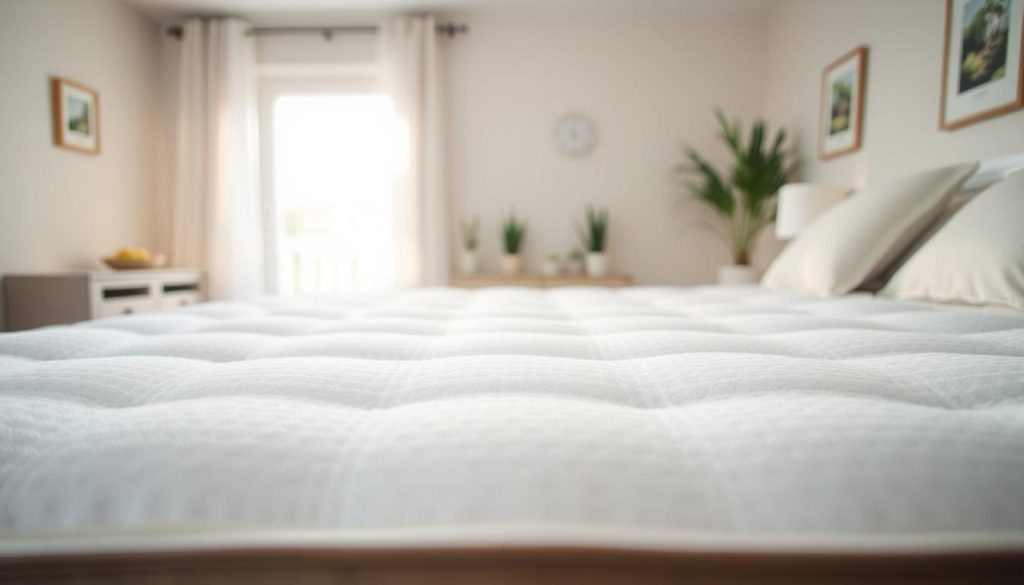
A clear way to judge any visit is the difference you notice when you lie down the next night. The most common immediate results are reduced odour and a fresher sleep surface.
Reducing irritations linked to dust mites and airborne allergens
We target dust mites and common airborne allergens so people often report fewer morning symptoms like a runny nose, itchy eyes or coughing.
Lower allergen counts can reduce flare-ups for asthma and eczema sufferers and help manage seasonal allergies.
Improving hygiene and lowering the risk of infections from germs
Our work cuts germs and bacteria on the sleep surface, improving overall hygiene.
That reduction supports everyday health by lowering the risk of minor infections in sensitive households.
Extending lifespan by preventing dirt and stain build-up
Regular treatment prevents dirt and light stains from setting, protecting fibres and extending mattress life.
- Reduced odour and a fresher feel
- Visible stain improvement depending on age and type
- Fewer allergy symptoms and less mite-related irritation
“Cleaner sleep often feels different night after night, not just immediately after the visit.”
Realistic expectations: outcomes vary by stain age, material and prior moisture exposure, but hygiene and odour reduction remain consistent results of our services.
Choosing the right method: steam cleaning vs dry cleaning vs extraction vs UV-C
Choosing the correct method starts with matching your goals to how each approach works.
Steam benefits and limits
Hygiene-first option: hot vapour inactivates most microbes and cuts allergens — typically cited at about 99% effectiveness. It is best for routine sanitisation and allergy reduction.
Limitation: it may not fully lift heavy surface dirt or set-in stains and suits synthetic fibres better to reduce shrinkage risk.
Dry approach
Dry methods use minimal moisture and avoid chemicals. They are quick to settle and suit customers who need low damp exposure and faster use.
Extraction
Extraction combines specialised detergents with an extractor to remove deep soil and lighten stains. It reduces odour and is often advised for natural fibres to prevent shrinkage.
UV-C disinfection
UV‑C is 100% dry, chemical-free and needs no drying time. It offers fast turnaround and broad compatibility with different types and is commonly cited as 99% effective.
| Method | Main benefit | Best for | Limitations |
|---|---|---|---|
| Steam | Sanitisation; allergen reduction | Synthetic fabrics; routine hygiene | May not remove heavy surface dirt |
| Dry | Minimal moisture; fast use | Low-damp needs; quick turnover | Less effective on deep soil |
| Extraction | Deep soil and stain removal | Natural fibres; heavy soiling | Longer drying time |
| UV-C | Dry disinfection; no chemicals | All types; fast jobs | No stain removal |
Upholstery cleaning follows the same principles: choose a method that protects the fabric and matches your goals.
For practical at-home tips and maintenance, see our short guide on how to clean a used bed.
Why choose our team for professional mattress cleaning services in Singapore
Our team combines hotel-grade training, repeatable checklists and clear communication to give you consistent results for home upkeep. We train to high standards so every visit follows the same methodical steps.
Trained specialists and checklist-led workflows
We use a 50-point workflow and industry-style training hours to reduce variability. This means our technicians deliver methodical, repeatable work each time.
Eco-friendly products safe for families and pets
We select non-toxic products that are suitable for babies, children and pets and kind to the indoor environment. Safety is part of our protocol, not an add-on.
- We match methods — steam, dry, extraction or UV-C — to the material and your needs.
- Dedicated advisors provide fast answers and clear aftercare tips to prolong results.
- On-site professionalism and routine checks guarantee service consistency across visits.
“We aim for a healthier sleep space, not just a cleaner-looking bed.”
For a deeper look at our approach to professional mattress cleaning, see our in-depth guide: professional mattress cleaning.
Conclusion
A simple schedule of professional upkeep protects comfort, prolongs life and lowers allergens.
Beds gather dust, bacteria, odours and stains over time, and protectors alone do not stop build-up. Regular attention keeps air fresher and reduces allergy triggers in Singapore’s humid climate.
How we help: our on-site steam sanitisation offers a chemical-free approach for hygiene and odour control. For deep soil or set stains, extraction works best, while UV-C gives fast, dry disinfection.
We recommend routine upkeep every 3–6 months, with more frequent visits for stains or allergy-prone households. Book an on-site visit and let us recommend the right option for your needs.
Learn more about why professional intervention matters: why professional mattress care helps.

