
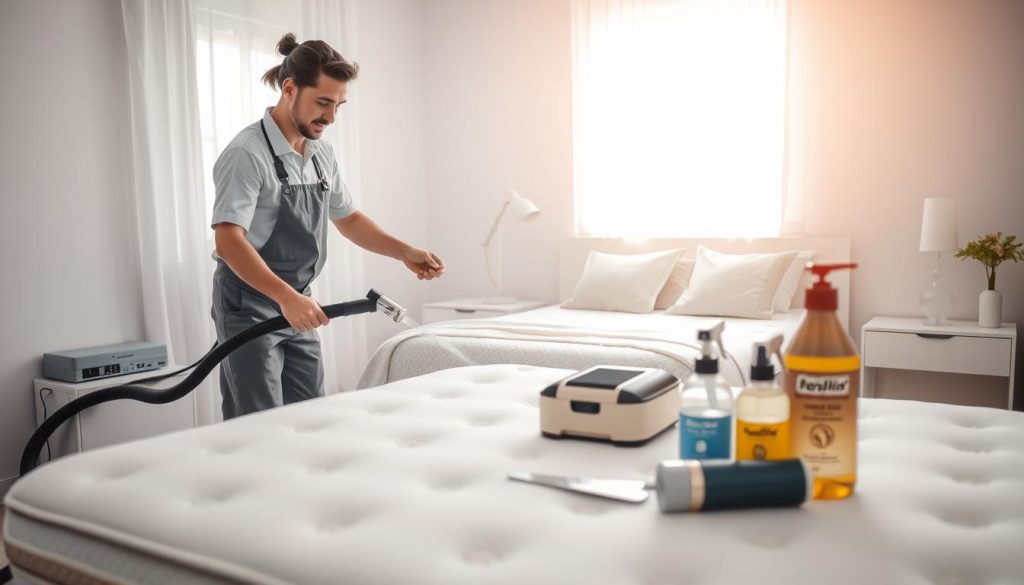
Welcome. We outline practical upkeep for domestic units that fits busy Singapore schedules and local conditions like humidity, cooking fumes and periodic haze.
We explain what routine care achieves: fresher indoor air, steadier airflow, fewer lingering odours and better overall air quality when maintenance is regular rather than occasional.
Note: routine attention matters. As Trent Howard (2025) observes, these devices remove dust, pollen, smoke, pet dander and microscopic pollutants, but they work best with consistent care.
We also clarify that not all upkeep means washing parts; HEPA and carbon components often need specific handling to protect performance and warranty. Before any task, turn off and unplug the unit for safety, as recommended by Alen.
Finally, we preview two system types (filter-based and filterless plates) and a sensible maintenance schedule so you can pick a routine that matches your home and lifestyle. For a wider home maintenance checklist, see our linked resource: deep-cleaning checklist.
Why regular air purifier cleaning and maintenance matters in Singapore homes
Regular maintenance keeps device performance steady and indoor air healthier for everyone at home. Small, routine tasks stop dust and haze from building up. This protects family members with allergies and those sensitive to pet dander.
Cleaner indoor air and fewer pollutants in everyday living spaces
We reduce common pollutants by checking pre-filters and vents often. In Singapore, open windows let particles in, so small upkeep makes a big difference.
Better efficiency, airflow and quieter performance over time
When dust loads rise, airflow drops and fans work harder. That lowers efficiency and raises noise. Regular checks restore normal performance before components strain.
Odour control for smoke, cooking smells and pet-related odours
Stir-fry fumes, occasional smoke drift and pet smells return sooner when filters clog. Timely attention keeps living rooms smelling fresher and systems more effective at reducing odors.
Longer unit lifespan and lower long-term replacement costs
Small weekly actions add up. They delay replacements and save us money over time. If you notice reduced airflow, more noise or quicker return of smells, treat that as a maintenance signal.
Know your unit: HEPA and activated carbon filters vs filterless air purifiers
Understanding which filtration system you own avoids costly mistakes and preserves performance. We first check whether your model uses replaceable filters or washable collection plates. This step stops improper handling that could reduce efficiency.
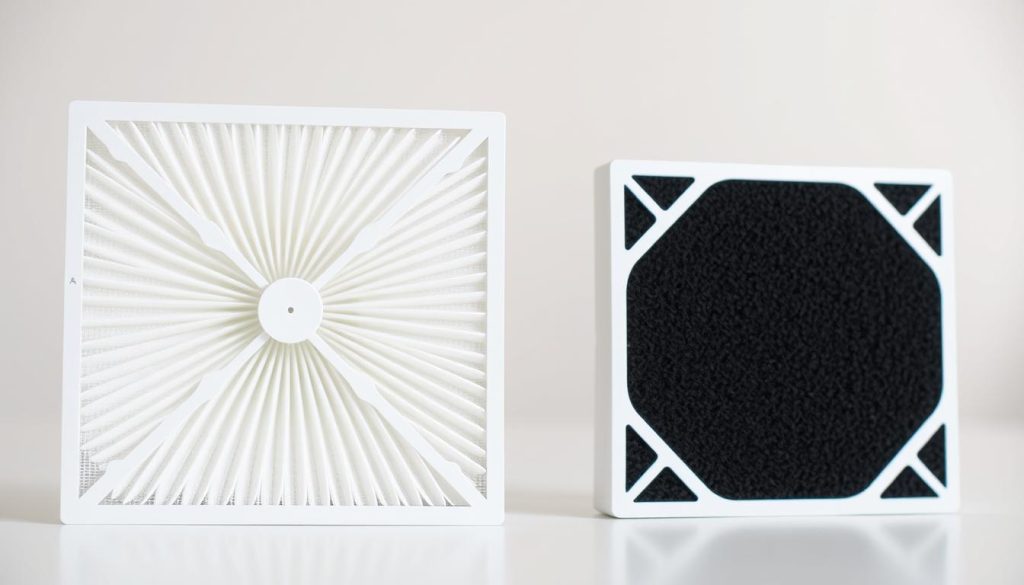
What a pre-filter does for dust, debris and pet hair
The pre-filter is the first line of defence for dust, debris and hair. It catches large particles so the main filter lasts longer.
HEPA filters: what they capture and why most are not washable
HEPA traps fine particles down to 0.3 microns. Most HEPA media are not washable because water damages the fibre structure and cuts performance. Surface vacuuming can extend life, but replacement is often the safest choice.
Activated carbon filters: how they tackle gases, VOCs and odours
Activated carbon media adsorb gases, VOCs and smoke odours. When the carbon is saturated or clogged by dust, odour control falls. Do not rinse; instead use a gentle vacuum with a soft brush attachment.
Filterless designs with washable collection plates
Plate-based units offer washable collection surfaces and lower waste. Rinse plates every 2–6 weeks depending on local conditions and dry fully before reinstalling.
Note: vacuum what is meant to be vacuumed, replace what is meant to be replaced, and only rinse parts explicitly designed to be washed.
Air purifier cleaning guide: our maintenance schedule you can actually keep up with
Our schedule makes upkeep simple so it actually gets done. We aim for short, repeatable tasks that suit Singapore life and local conditions.
Every day wipe-down to prevent dust build-up around vents
We wipe intake and outlet surfaces each day with a soft cloth. This stops superficial dust from restricting airflow before filters work hard.
Weekly vent and grille check with a vacuum and soft brush attachment
Once a week we use a vacuum with a soft brush to lift dust debris from grilles. The brush protects plastics and avoids pushing dirt deeper into the casing.
Monthly filter and plate inspection to prevent reduced airflow
Monthly checks help us spot clogged HEPA or saturated plates early. A quick look saves time and keeps unit performance steady.
Every few months deep clean: fans, sensors and interior surfaces
Every 3–6 months we inspect fans and sensors. Removing fine dust from interiors preserves automatic modes and overall efficiency.
When Singapore haze and high usage mean cleaning every weeks, not months
Adjustment rule: during haze or heavy use, move to cleaning every weeks. Set reminders based on runtime and household exposure.
“Small, regular actions prevent bigger issues and save time in the long run.”
| Frequency | Task | Tools |
|---|---|---|
| Every day | Wipe vents and exterior | Soft cloth |
| Weekly | Vacuum grilles and pre-filters | Vacuum + soft brush |
| Monthly | Inspect filters/plates | Visual check, gentle vacuum |
| 3–6 months | Deep clean fans & sensors | Soft brush, cloth, time |
How we clean a clean air purifier safely before servicing
We begin with simple safety steps to limit dust and keep the job tidy. Before any work, we power off and unplug the unit and give it a few minutes so loose particles settle.
We prepare the area by choosing a well-ventilated spot and placing a bin liner nearby. This keeps dust off soft furnishings and makes disposal straightforward.
Tools and technique
- Use a vacuum with a soft brush attachment to lift dust gently.
- Keep a soft cloth for exterior wiping and lukewarm water only for parts the manual allows.
- Handle each filter upright and avoid tapping or shaking to stop trapped dust from escaping.
What we never do
Note: we do not wash HEPA or carbon filters unless the manual explicitly says they are washable. Water can damage HEPA fibres and reduce performance. For carbon filters, vacuuming with a soft brush is a safer option.
Make sure not to soak electronics or use harsh detergents. Keep moisture away from sensors, fan motors and control panels to protect the unit.
“Safety and careful handling preserve performance and reduce airborne particles during servicing.”
For a practical servicing checklist and further steps, see our servicing checklist. The next sections show step-by-step work for filter-based and filterless systems.
Step-by-step cleaning for traditional air purifiers with filters
Safety first: disconnect the unit and let loose particles settle for a few minutes. We choose a clear surface and gather a soft cloth, a vacuum with a soft brush and a bin liner.
-
Removing and vacuuming the pre-filter
We remove the pre-filter carefully and use a vacuum with a soft brush to lift dust, debris and hair. This step often restores airflow and reduces fan strain.
-
Checking the HEPA filter
We inspect the HEPA for greying, compacted fibres or persistent odours. Note: most HEPA media are not washable — replace when clogged per manufacturer guidance.
-
Cleaning activated carbon filters
For activated carbon, we vacuum gently with the brush to remove surface dust. Do not rinse carbon — vacuuming helps it focus on gases and odours again.
-
Wiping interior surfaces and casing
We wipe seals, edges and the inside panel with a damp cloth. Avoid wetting electronics and let all parts dry fully before reassembly.
-
Reassembling and final checks
We fit filters in the correct orientation so they sit flush and close panels without gaps. Finally, we run the unit and confirm normal airflow, steady noise and restored performance.
| Step | Action | Tool |
|---|---|---|
| 1 | Remove pre-filter and vacuum | Vacuum + soft brush |
| 2 | Inspect HEPA for clogging | Visual check |
| 3 | Gently vacuum activated carbon | Soft brush |
| 4 | Wipe interior and casing | Damp cloth |
| 5 | Reassemble and test | Runtime check |
Step-by-step cleaning for filterless purifiers with washable plates
Filterless models rely on charged plates to trap particles, so regular plate care keeps output steady. These plates capture dust and debris while letting the fan and sensors work efficiently. A simple routine restores performance without risking damage.
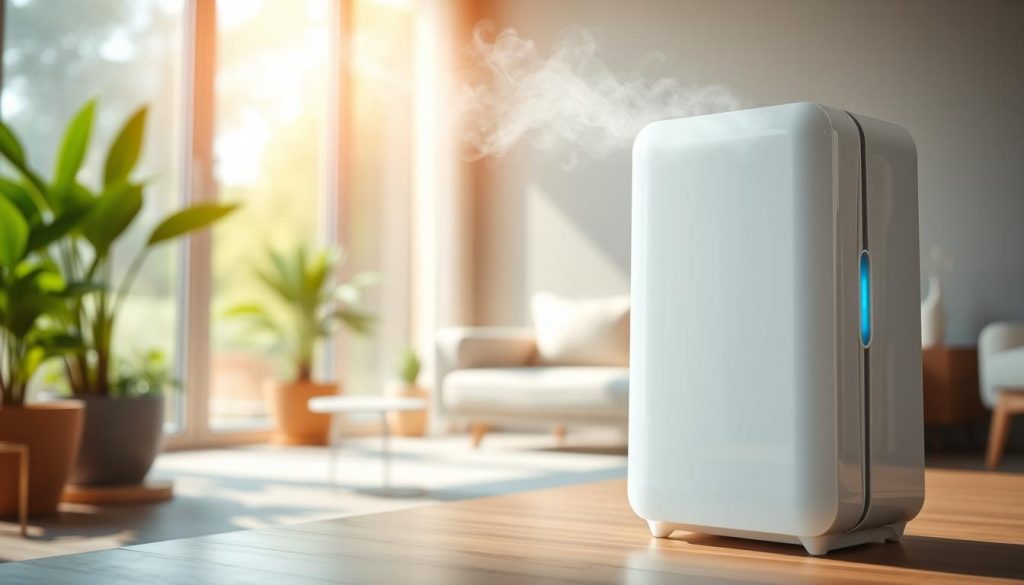
Removing collection plates and rinsing with lukewarm water
We remove plates carefully to avoid bending the metal or plastic. Hold each plate by its frame and follow the unit’s release points.
Rinse with lukewarm water only. Avoid detergents and harsh brushes so residues do not affect performance.
Air-drying completely to protect performance and prevent issues
Do not reinsert plates until they are fully dry. Damp plates reduce efficiency and can cause sensor errors or motor strain.
Allow plates to air-dry in a shaded, well-ventilated spot. This protects coatings and maintains long-term output.
Wiping exterior vents and checking sensors and fan function
We wipe vents and intakes with a soft cloth or a vacuum brush to stop surface dust from returning to the plates.
Next, we check sensors and the fan. Make sure nothing obstructs rotation and that sensor lenses are free of dust.
- Inspect plates for heavy build-up.
- Rinse with lukewarm water; avoid detergents.
- Air-dry fully before reinserting.
- Wipe vents; verify fan and sensor operation.
- Run the unit and confirm steady airflow and normal sound.
| Task | Frequency (Singapore) | Tool |
|---|---|---|
| Rinse plates | 2–6 weeks (shorter during haze or heavy cooking) | Soft brush, lukewarm water |
| Air-dry plates | Always before reinserting | Shaded ventilated area |
| Wipe vents & check sensors | Weekly | Soft cloth, vacuum (brush) |
“A gentle, regular routine keeps the unit efficient and helps maintain clean air output.”
Conclusion
A simple routine protects performance more than brand or price ever will. In any Singapore home, regular maintenance keeps an air purifier delivering cleaner indoor air and better air quality over time.
We stress the split approach: treat filter-based models with vacuuming and timely replacement, and wash plates only when the manual allows. Note: many HEPA and deodorisation filters are not washable and must be replaced when due.
When a unit signals with lights or a beep, replace the filters and, for Samsung models, press the “Filter 3 sec” button for 3+ seconds to reset the reminder.
Make sure your schedule matches haze, pets or heavy cooking. Set calendar reminders, keep spare compatible filters and store tools nearby to make upkeep painless. Stay consistent and you will notice steadier flow, fewer odours, quieter running and improved overall quality at home.

