

We wrote this guide to help Singapore households pick the right unit for everyday dust, humid-air odours and recurring allergen build-up. Our aim is to make the choice simple for HDB flats, condos and landed homes.
What good looks like is clear: strong cleaning performance, reliable filtration and easy maintenance without stirring dust into the air. We focus on sealing, airflow, useful accessories and real-life usability — not just headline suction numbers.
Prices shift fast in Singapore. For example, PowerPacSG listings show many models marked “Sold out”. We’ll explain how to shop smart when stock changes.
We will compare bagless systems with bag options, wet-dry versus dry-only setups, and whether stick or handheld models suit quick pick-ups. By the end, you should be able to shortlist comparable models and buy with confidence.
Why we’re choosing water filtration for Singapore homes right now
Humidity changes how dust behaves in our flats and landed houses. We see dust settle faster on sofas and mattresses. That makes indoor air feel heavy and increases allergy triggers.
Indoor air in cooled rooms traps fine particles and odours. Dust mites thrive in soft furnishings, so regular cleaning alone may not stop allergies. Bacteria can persist in humid fibres, which is why removal and containment matter.
Indoor air quality, dust mites, and trapped bacteria in humid climates
We explain why humid air lets dust mites multiply and why fabrics hold more particles. This raises bacteria concerns in high-humidity environments. Cleaning must remove and contain contaminants, not just move them around.
How water filter systems reduce the chance of particles escaping back into the air
Core appeal: drawn-in dust and fine particles meet liquid, which reduces particles escaping during use. That lowers the risk of dust returning to rooms after cleaning.
- Poor seals or gaps let particles escape through exhausts or during emptying.
- Good suction, sealing and filter design still determine final results.
- Understanding airflow — nozzle to tank to exhaust — helps us pick a model that works in real homes.
| Issue | How it appears at home | How water-based systems help |
|---|---|---|
| Dust returning | Visible dust after a few hours | Particles captured in liquid, reducing re-release |
| Allergy triggers | Itchy eyes and sneezing | Better containment of dust mites and pollen |
| Bacterial growth | Musty smells in fabrics | Removal rather than redistribution of microbes |
What a bagless water filtration vacuum cleaner is and how it works
We define these machines practically: they use a water tank as the main capture medium instead of relying solely on a paper bag or dust bag. That single design choice changes how dirt is collected, how often you empty the unit, and what you see when you check the collection chamber.
Water tank collection versus paper bags
A water tank traps larger debris and fine dust by dragging them into liquid. You can visually confirm what was picked up, which helps with spot checks and maintenance.
Paper bags and dust bag systems hide contents and need regular replacement. Bags can be neater to empty, but they add ongoing cost and supply concerns. Look for clear tank designs and simple emptying steps when evaluating models.
What happens during suction
Airflow pulls in large debris first, then carries finer dust and small particles toward the capture stage. If the nozzle or brush agitates fibres well, more embedded dirt comes loose.
Agitation and controlled airflow reduce the chance that fine dust stays airborne. A well-designed tank slows airflow and lets particles settle into liquid instead of circulating back into the room.
Where HEPA fits in
Many units add a HEPA filter as an exhaust or secondary stage to catch remaining micro-particles before air returns to the room. Even the best hepa filter cannot compensate for leaks, so sealing along the airflow path is essential.
To prepare for purchase, check product pages for multi-stage filter details, tank design, and maintenance steps. For guidance on keeping filters effective, see our short maintenance guide: how to clean a filter.
Key buying criteria that affect cleaning capabilities
Practical performance separates marketing claims from machines that actually keep homes clean. We break down the traits you can measure at home so comparing models is straightforward.
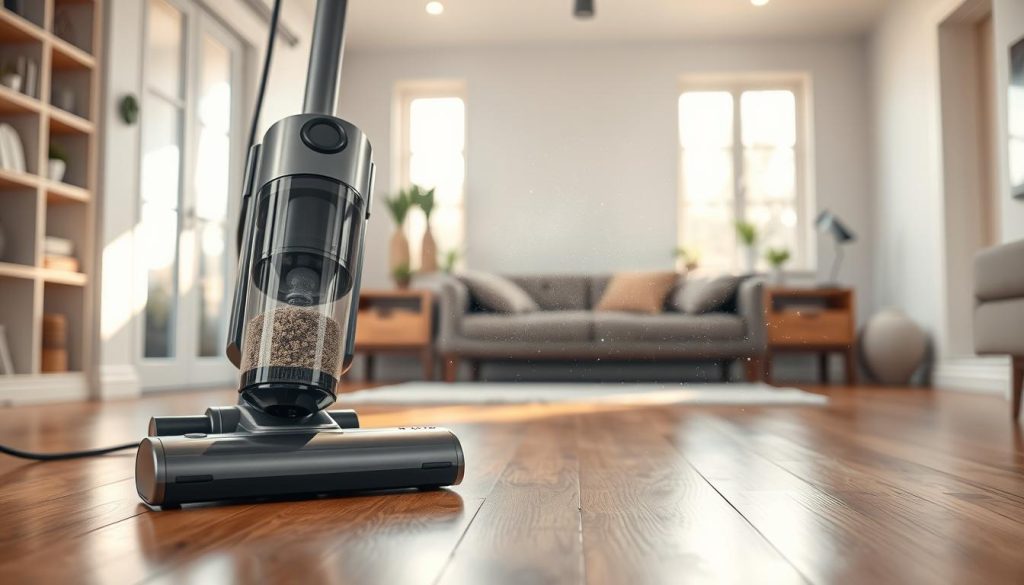
Suction power and airflow for dust, dirt, and debris
Look for consistent suction power and stable air flow. A loud motor that lacks steady airflow will miss embedded dirt on carpets and fail at edges.
Tank capacity and ease of emptying without mess
Pick a unit with enough capacity for typical Singapore cleans. The emptying path should avoid spills and lingering odours.
Filter design, sealing, and handling fine particles
Good filter design and airtight seals stop fine particles escaping back into rooms. Check removable filters for easy cleaning and replacement.
Floor brush design for mixed surfaces
Hard floors need a brush that traps dust without scattering. Carpets require agitation and edge reach. A versatile floor brush means fewer tool swaps.
Noise, weight, and manoeuvrability for flats
For HDB flats and condos, low noise, compact weight and tight turning radius matter. Cord management or battery runtime affect usability and storage.
- Measure suction and airflow where you live.
- Inspect the filter and seal layout.
- Test the floor brush on your surfaces.
Bagless vs bags in day-to-day cleaning
Daily upkeep often reveals which design choices actually save time and money. We compare sealed bag systems and re-usable collection systems on real household tasks and costs.
Replacement costs and availability matter. Models that need paper bag refills can seem tidy, but many people face supply swings. PowerPacSG listings show items marked “Sold out”, which can affect bag stock too.
Replacement costs and the hassle of finding the right bags
Sealed bags mean predictable disposal but ongoing purchases. Finding model-specific paper bag types can be frustrating if local stock runs low.
Hygiene trade-offs: touching dust, dust clouds, and bacteria concerns
Some prefer sealed bags to avoid touching debris. Others like re-usable systems that remove consumable expense but accept extra handling when emptying.
“Design matters more than the label — a poor seal will let particles escape during emptying, whether or not a bag is used.”
- Both systems can produce dust clouds if emptying is poorly designed.
- Stagnant debris and damp residues increase odour and bacteria risk unless cleaned promptly.
- Decide by your routine: children, pets, allergy sensitivity and how often you clean.
| Factor | Sealed bag systems | Re-usable collection systems |
|---|---|---|
| Upfront cost | Often lower | Often higher |
| Ongoing cost | Regular replacement required | Lower consumable spend |
| Hygiene | Cleaner disposal if intact | Requires careful emptying and rinsing |
| Availability risk | Depends on bag stock | Depends on parts and service |
Types of vacuums to compare before you commit
Before we compare models, we must map the kinds of machines and which chores they handle best.
Wet dry models vs dry setups with water filter
Wet dry units are built for spills, renovation dust and heavy-duty utility use. They handle liquids and large debris with ease.
Dry vacuum set-ups that use a water filter focus on dust capture and allergen control. They are better for routine home cleaning and trapped fine particles.
For a clear side‑by‑side, consult our external comparison chart.
Stick and handheld options for quick pick-ups
Stick vacuum models suit small flats and fast daily tidies. They trade runtime and deep-clean power for compact storage and speed.
Handheld vacuum devices are ideal for sofas, mattresses and car interiors. They complement a main unit rather than replace it.
When a dedicated re-usable collection machine still makes sense
We recommend a dedicated re-usable collection model for large floor areas, frequent carpet cleaning and heavy debris loads. They reduce ongoing consumable costs and often provide stronger agitation for deep-clean tasks.
| Type | Best for | Limitations |
|---|---|---|
| Wet dry | Spills, renovation, heavy debris | Bulkier, needs drying after use |
| Dry with water filter | Allergen control, fine dust | Requires regular tank maintenance |
| Stick / handheld | Daily quick cleans, tight storage | Lower runtime, less deep-clean power |
Decide by your typical chores, surfaces and how often you clean. For an introduction to whether a water-based option suits your needs, read is it worth it.
What to expect on different surfaces around the home
Different surfaces ask for different approaches — not every head works well everywhere. We explain what matters on hard floors, carpets and soft furnishings so you get predictable results.
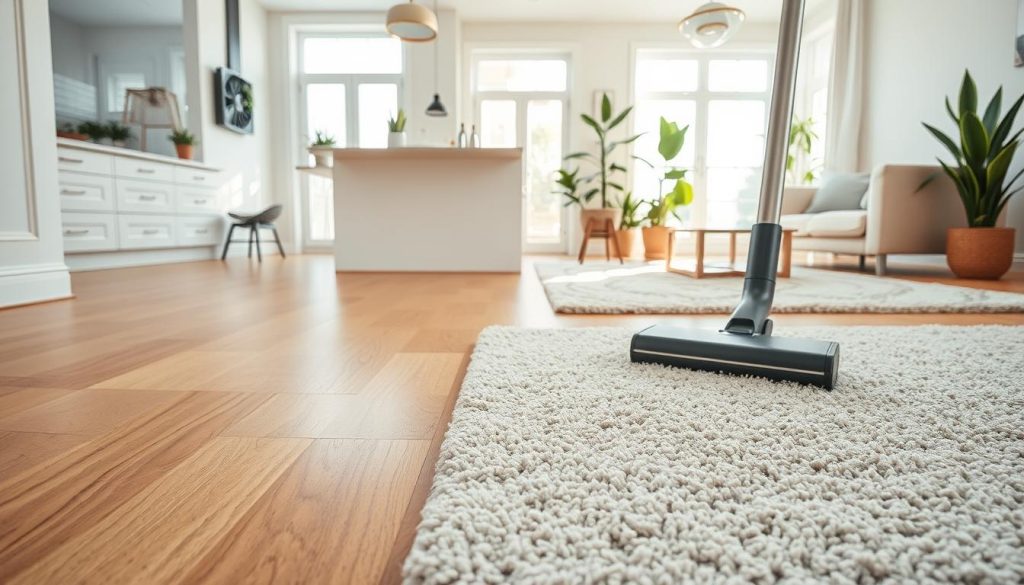
Hard floors: capturing fine particles without scattering
On tiles and laminate, a head that traps particles rather than blows them aside gives the best results. Low-profile nozzles with a soft brush strip pick up grit and fine particles without scattering.
Brush roll choice affects edge cleaning and corner reach. Look for models that seal at the edge and have an anti-scatter design for kickboards and skirting.
Carpets and rugs: brush performance and deep-clean results
Carpets need agitation plus steady airflow to lift embedded dirt. A rotating brush that keeps contact with the pile lifts more debris than suction alone.
Too aggressive a brush can damage fibres, so choose a head with adjustable height or a switchable brush roll for different pile heights.
Sofas, mattresses and high-dust zones
Soft furnishings collect particles and host dust mites in humid climates. Targeted tools — a motorised mini-head or upholstery nozzle — dislodge trapped material without spreading it around.
Filtration matters: a good hepa or HEPA filter on the exhaust reduces allergen re‑circulation when we clean sofas and beds.
- Test pick-up on edges and along skirting to judge real-world performance.
- Smell or visible residue in exhaust air signals poor containment or seals.
- Watch how quickly the tank water gets dirty as a proxy for capture effectiveness.
Singapore pricing and value: what local listings tell us
Local listings reveal clear price bands that shape realistic expectations for buyers.
Entry-level signals: PowerPacSG category pages give us a visible baseline for budget models and help separate bare‑bones units from better equipped options.
Mid‑range reference
The SONA Water Filtration Vacuum Cleaner SVC 6880 carries a premium over entry models. The price gap shows how quickly cost rises once a machine adds a liquid capture stage and extra parts.
Value beyond price
When we judge a model, price is one factor. Check the number of filtration stages, seal quality, and whether the design allows clean emptying and easy maintenance.
- Accessories matter: the right floor head and upholstery tool can replace extra devices.
- Build quality indicators: tank material, latch strength and hose fittings signal longevity.
- Compare like‑for‑like: match models by features, not just the lowest price.
Actionable tip: shortlist within a budget band, then validate against our earlier criteria for seals, filter stages and practical handling before you buy.
Where to buy in Singapore and how to manage stock issues
Retail stock in Singapore can change overnight, so a planned buying approach saves time and regret. We start at retailer category pages that group similar products together. These pages make it easy to view comparable models and spot current promos.
Checking category pages for comparable models and promos
Begin on a “bagless vacuum” category page to compare specs side by side. Look for notes on seals, filter stages and included accessories before you chase a price.
Shortlist two to three alternatives that meet our usability and seal criteria. That way, a sold-out listing does not derail your purchase.
Understanding “temporarily out of stock” and using waiting lists
“Temporarily out of stock” typically means the retailer expects more inventory soon. The SONA SVC 6880 example shows a message inviting shoppers to opt into a waiting list to receive restock alerts.
“Opting in to a waiting list saves you repeated checks and notifies you as soon as a unit returns to stock.”
Our practical workflow: shortlist, verify accessories and warranty, then choose based on stock timing and current promos. If availability is uncertain, buy an alternative that matches the same core performance.
Conclusion
Our final verdict focuses on practical performance and how a unit behaves in everyday Singapore homes. We value steady suction, tight seals and multi-stage filter design because these directly affect indoor air quality and routine upkeep.
We find that water-based capture can appeal to households worried about fine particles, odours and humid‑climate behaviour. Design and easy emptying matter more than the label; choose a tank or bag path that you will maintain.
Prioritise: consistent suction, secure sealing, HEPA or equivalent stages, and an easy-to-clean tank. Compare long-term costs and hygiene trade-offs — see our bagged vs bagless comparison for more on disposal and upkeep.
Set a budget, shortlist by specs and availability, use waiting lists if needed, and buy the model that best matches how we actually clean at home.

