

Maintaining your sleeping surface is essential for both hygiene and longevity. Over time, dust, dead skin, and allergens can accumulate, creating an unhealthy environment. In Singapore’s humid climate, this issue is even more pronounced, as moisture accelerates dust mite growth and mold risks.
Regular care not only ensures a healthier sleep but also extends the life of your bedding. By following a simple 7-step process, you can keep it fresh and comfortable. This approach is especially beneficial for allergy sufferers and pet owners, who face additional challenges.
Proper maintenance can save you money by avoiding premature replacement. For more details on costs, check out this guide. Investing time in care now can lead to long-term benefits for your health and wallet.
Key Takeaways
- Regular maintenance improves hygiene and extends the life of your bedding.
- Singapore’s humidity increases risks of dust mites and mold.
- A 7-step process simplifies the task of keeping it fresh.
- Proper care saves money by preventing early replacement.
- Allergy sufferers and pet owners benefit significantly from regular upkeep.
Why Deep Cleaning Your Mattress is Essential
Your bed can harbor unseen allergens and irritants over time. Humans shed about 1.5 grams of dead skin weekly, which can feed up to one million dust mites. These tiny pests thrive in warm, humid environments, making Singapore’s average 84% humidity a perfect breeding ground.
After seven years, nearly 10% of your bed’s weight could be dust mites and debris. This buildup can trigger allergies and asthma, especially since dust mite allergens affect 80% of asthma sufferers. Keeping your sleeping area fresh can help keep these issues at bay.
Odor absorption is another concern. The average person perspires about 26 liters annually, and sweat can seep into your entire mattress. Over time, this leads to unpleasant smells and potential bacterial growth. Regular care ensures a fresher, more hygienic sleep environment.
Poor hygiene can also impact sleep quality and skin health. Dust and allergens can cause irritation, leading to restless nights and discomfort. By maintaining your sleeping space, you not only improve your health but also extend the life of your bedding.
Gather Your Mattress Cleaning Supplies
Having the right tools makes mattress cleaning easier and more effective. Start by assembling essential items like an enzyme cleaner, a HEPA vacuum, and microfiber cloths. Enzyme cleaners break down proteins 40% faster than vinegar, making them ideal for tackling stubborn stains and allergens.
A HEPA vacuum is another must-have. It captures 99.97% of particles larger than 0.3 microns, ensuring a thorough removal of dust and debris. Pair it with an upholstery attachment to reach seams and crevices effectively.
For deodorizing, baking soda is a natural choice. Its pH balance neutralizes odors better than many commercial deodorizers. Simply sprinkle it evenly over the surface and let it sit for a few hours before vacuuming.
In Singapore’s humid climate, mold can be a concern. A DIY solution like distilled white vinegar mixed with cold water works well for mold prevention. Avoid steam cleaners, as they can void warranties on memory foam and damage its structure.
With these supplies ready, you’re set to tackle your cleaning task efficiently. Proper preparation ensures a fresher, healthier sleeping environment.
Step 1: Remove and Wash All Bedding
Starting with fresh bedding sets the foundation for a hygienic sleep space. Over time, dust mites, sweat, and allergens accumulate in your sheets and pillows. Washing them regularly ensures a healthier environment and improves sleep quality.
Different types of bedding require specific care instructions to maintain their quality. For example, cotton sheets can handle hot water at 60°C, which effectively kills dust mites. Silk, on the other hand, should be washed at 30°C to prevent damage.
Washing Tips for Different Types of Bedding
Here’s a quick guide to washing various materials:
| Material | Temperature | Tips |
|---|---|---|
| Cotton | 60°C | Use anti-mite detergent for best results. |
| Silk | 30°C | Hand wash or use a gentle cycle. |
| Polyester | 40°C | Avoid high heat to prevent shrinkage. |
For pillows, down-filled ones benefit from adding tennis balls to the dryer. This helps maintain their loft. Zippered pillow protectors can reduce washing frequency by 50%, making maintenance easier.
In Singapore’s rainy season, air-drying can be challenging. Use a dehumidifier to speed up the process and prevent musty odors. Brands like Attack offer effective anti-mite detergents, ensuring your bedding stays fresh and allergen-free.
Step 2: Vacuum the Mattress Thoroughly
A thorough vacuuming session is the next crucial step in maintaining a fresh sleeping environment. Over time, dirt and dust accumulate on the surface mattress, creating an unhealthy buildup. Regular vacuuming helps remove these particles, ensuring a cleaner and more hygienic space.
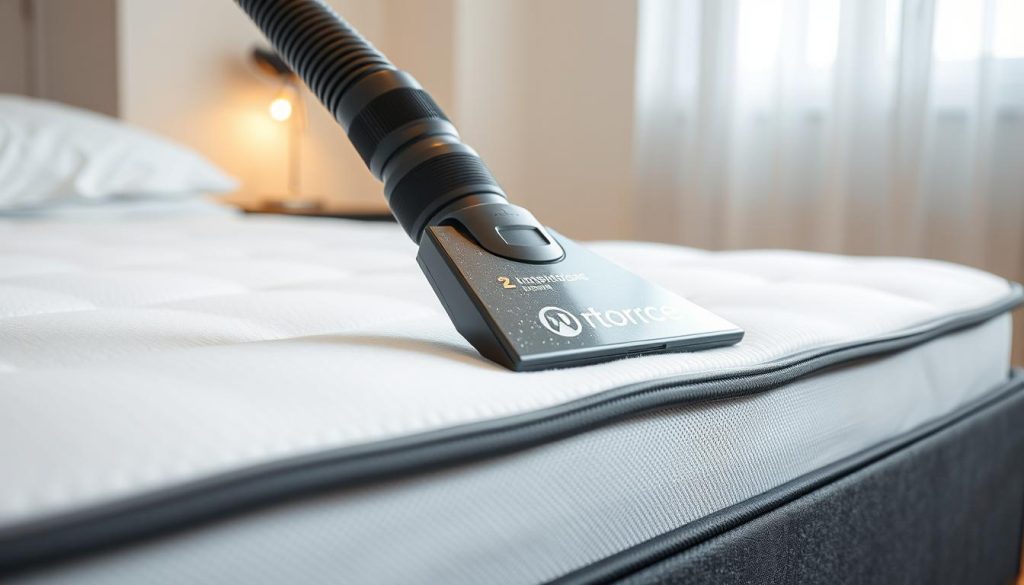
Using an upholstery attachment is highly recommended. This tool allows you to reach deep into seams and crevices, where debris often hides. Studies show that crevice tools remove three times more dirt than flat nozzles, making them essential for a thorough job.
Focus on Seams and Crevices
When vacuuming, pay special attention to the seams and edges. These areas tend to trap more dust and allergens. Slow, overlapping passes at a 45° angle ensure maximum debris removal. Spend extra time on the head area, where oil and dandruff buildup is twice as common.
After vacuuming, use a flashlight to inspect for missed spots. This step ensures no dirt or dust is left behind. Additionally, maintain your vacuum’s HEPA filter to prevent recirculation of particles. A well-maintained vacuum is key to effective cleaning.
With just 15 minutes of effort, you can remove up to 95% of surface allergens. This simple step not only improves hygiene but also enhances your overall sleep quality. Regular vacuuming is a small investment with big returns for your health and comfort.
Step 3: Spot Clean Stains
Stains can be stubborn, but with the right approach, they’re easy to tackle. Whether it’s a spill or an accident, acting quickly is key. Using simple household items, you can remove marks effectively and keep your sleeping space fresh.
DIY Stain Removal Solutions
For blood stains, cold water works best. Hydrogen peroxide removes them 25% faster than baking soda. For urine, a vinegar solution is highly effective. Sweat marks can be treated with baking soda, which neutralizes odors naturally.
Always pre-test your solution on a small, hidden area to avoid discoloration. Blotting, not rubbing, reduces stain spread by 60%. Layer a cloth under the stain to prevent deep saturation.
In Singapore’s humid climate, drying can take longer. Use portable fans to speed up the process. For tougher stains, a mix of dish soap and water can work wonders. With these tips, you’ll keep your sleeping area spotless and fresh.
Step 4: Deodorize with Baking Soda
Deodorizing your sleeping surface is a simple yet effective way to maintain freshness. Over time, odors can build up, especially in humid climates like Singapore. Using baking soda is a natural and affordable solution to neutralize smells and keep your space inviting.
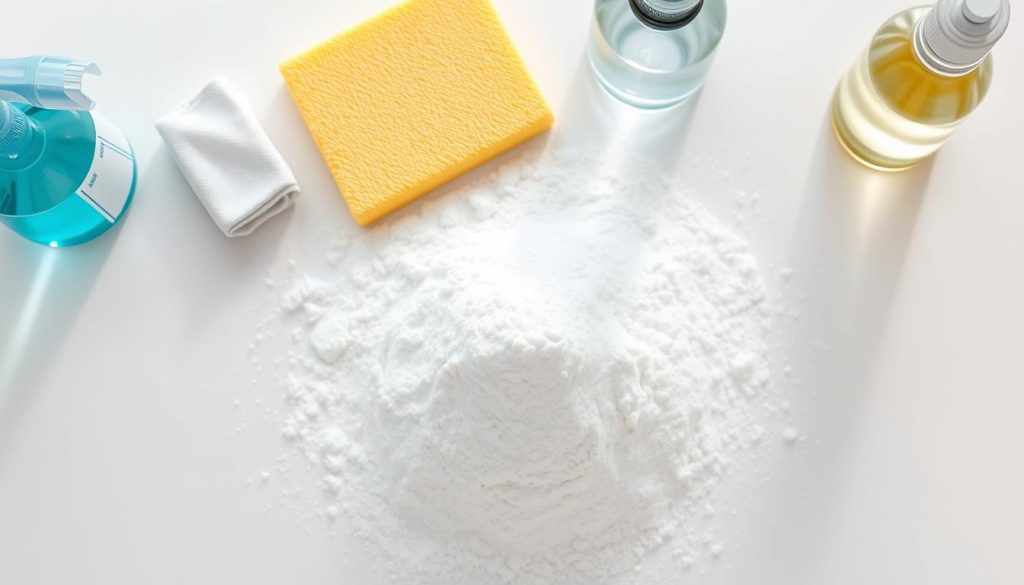
For even distribution, consider using a flour sifter. This tool helps create a fine layer of baking soda across the entire mattress. A thin, consistent layer ensures maximum odor absorption without clumping.
How Long to Leave Baking Soda on the Mattress
Leave the baking soda on the surface for at least 24 hours. Studies show this exposure neutralizes up to 90% of odors. For severe smells, like smoke, activated charcoal can be a great alternative. It’s highly effective for stubborn odors.
Combining baking soda with sunlight can enhance results. UV rays boost odor elimination by 30%. If you’re dealing with pet odors, mix baking soda with crushed dried herbs for a pleasant scent. After the treatment, vacuum carefully to avoid scattering the powder.
With these tips, you can keep your sleeping space fresh and comfortable. Baking soda is a versatile and eco-friendly solution for maintaining a clean and odor-free environment.
Step 5: Vacuum Again to Remove Baking Soda
After deodorizing, the next step ensures no residue is left behind. Baking soda is excellent for neutralizing odors, but it must be completely removed to avoid discomfort. A thorough vacuuming session guarantees a spotless surface and a fresh sleeping environment.
Use a crevice tool to tackle edge residue. These areas often trap baking soda, and a specialized attachment ensures nothing is missed. Slow, deliberate passes along the seams and corners will leave your sleeping area pristine.
After vacuuming, perform a tape test to check for leftover particles. Press a piece of clear tape onto the surface and examine it for any residue. If particles remain, repeat the vacuuming process for a flawless finish.
For one-sided models, this is a good time to rotate your sleeping surface. Regular rotation helps distribute wear evenly, extending its lifespan. If you’re an allergy sufferer, consider repeating this process monthly to maintain a healthy environment.
With these steps, you’ll ensure your sleeping space is fresh, comfortable, and free from lingering particles. Regular maintenance is key to long-term hygiene and comfort.
Step 6: Flip and Repeat the Process
Taking the time to flip your sleeping surface ensures even wear and longevity. Flipping extends the lifespan of innerspring models by up to two years. For single-sided hybrids, a 180° rotation works better than a full flip.
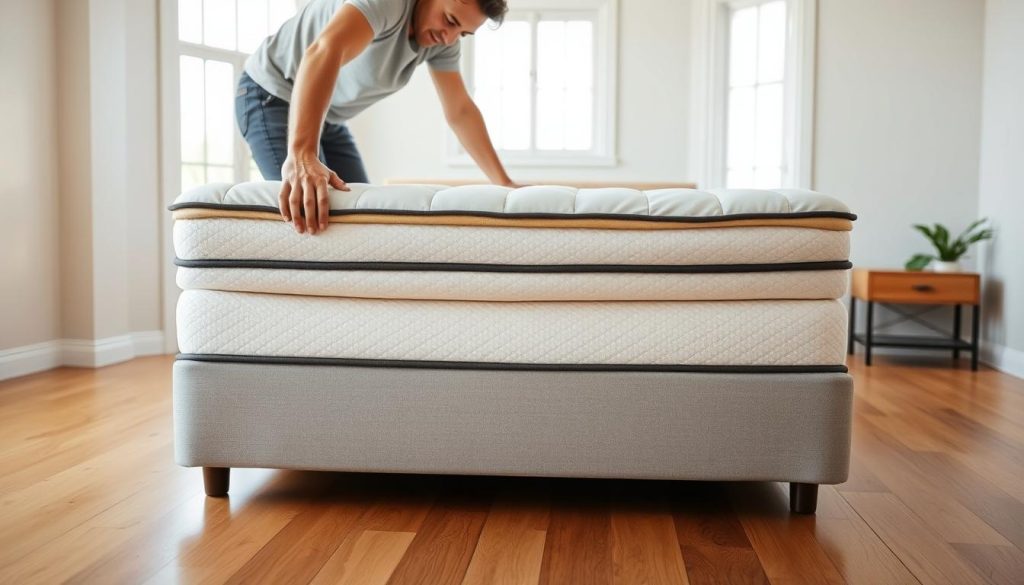
If your bedding weighs more than 25kg, consider getting help. Heavy lifting can strain your back. Scheduling reminders aligned with Singapore’s seasonal changes ensures consistent maintenance. This is especially useful during humid months when dust mites thrive.
Check for sagging zones that may need extra padding. Uneven wear can affect comfort and support. Regularly rotating and flipping your sleeping surface helps distribute weight evenly, preventing buildup in one area. For more tips, visit this guide.
By following these steps, you’ll keep your sleeping space fresh and comfortable. Proper care not only improves hygiene but also extends the life of your bedding. A little effort goes a long way in maintaining a healthy sleep environment.
Step 7: Protect Your Mattress After Cleaning
Protecting your sleeping surface after cleaning ensures long-term freshness and hygiene. A mattress protector is a simple yet effective way to shield your bed from spills, dust, and allergens. It also reduces the need for frequent deep cleaning, saving you time and effort.
Choosing the Right Mattress Protector
Not all protectors are created equal. Waterproof options can reduce cleaning frequency by 50%, making them ideal for families or pet owners. Bamboo protectors, on the other hand, are breathable and reduce heat retention by 4°C compared to plastic ones, perfect for Singapore’s warm climate.
Here are some tips to help keep your sleeping space in top condition:
- Opt for SG-friendly brands like Pure Envy Cooling Protector for added comfort.
- Follow care instructions by laundering protectors every two months, unlike weekly sheet washing.
- Maintain zipper guards to prevent snags and ensure a snug fit.
Investing in a quality protector not only extends the life of your bedding but also enhances your sleep quality. For more maintenance tips, explore this comprehensive guide.
Conclusion
Regular care of your sleeping space can significantly improve your health and comfort. Aim to deep clean a mattress every six months and consider replacing it after eight years for optimal support. Proper maintenance not only enhances hygiene but also boosts sleep quality, with studies showing a 22% increase in deeper REM sleep.
When it’s time for a new mattress, explore Singapore’s recycling programs to dispose of your old one responsibly. These initiatives help reduce waste and promote sustainability.
For those with allergies, investing in test kits or professional cleaning services can make a big difference. Keep your sleeping environment fresh and healthy with these simple steps.

