

Mattress stains are more than just unsightly; they can lead to serious health and warranty issues. In Singapore’s humid climate, spills and accidents are absorbed quickly, making immediate action essential. Ignoring these marks can attract allergens, dust mites, and even mold, compromising your sleep quality and overall well-being.
Untreated stains can also void your mattress warranty, leaving you unprotected against future damage. Taking quick steps to address spills ensures your mattress stays fresh and functional. A clean mattress not only enhances sleep hygiene but also extends the life of your bedding investment.
From food spills to sweat marks, different stains require specific cleaning approaches. Protective measures like waterproof mattress protectors can prevent future accidents, keeping your sleeping environment healthy and comfortable. Addressing stains promptly is a small step that makes a big difference.
Key Takeaways
- Mattress stains can attract allergens and mold, affecting health.
- Untreated stains may void your mattress warranty.
- Singapore’s humidity accelerates stain absorption.
- Quick action prevents permanent damage.
- Waterproof protectors help maintain a clean mattress.
Introduction to Mattress Stain Removal
Mattress materials play a significant role in how stains develop. The porous nature of fabrics, foam, and batting layers makes them prone to absorbing spills and bodily fluids. Over time, these materials can trap moisture, leading to persistent marks and odors.
In Singapore’s humid climate, the issue is exacerbated. High humidity accelerates the absorption of liquids, making it harder to address spills promptly. This can affect not only the appearance of your bedding but also your sleep quality.
Memory foam, in particular, is vulnerable to moisture damage. Its dense structure can retain fluids, making it essential to act quickly. Regular maintenance, including a 6-month deep cleaning routine, can help keep your mattress fresh and functional.
Dead skin cells and dust mites also contribute to staining. These particles accumulate over time, mixing with spills and sweat to create stubborn marks. Addressing these issues promptly ensures a healthier sleeping environment.
Different types of stains pose unique challenges. Liquid spills, like water or juice, spread quickly and can penetrate deep into the layers. Oil-based stains, such as lotions or food grease, cling to the surface and require specialized cleaning methods.
| Stain Type | Characteristics | Cleaning Difficulty |
|---|---|---|
| Liquid Stains | Spread quickly, penetrate deep | Moderate |
| Oil-Based Stains | Cling to surface, hard to remove | High |
Understanding these factors is the first step toward effective stain removal. By addressing spills promptly and using the right techniques, you can maintain a clean and comfortable mattress for years to come.
How to Remove Stain on Mattress: General Steps
Effective cleaning methods can restore your mattress to its original freshness. Whether it’s a spill or an accident, acting quickly ensures your bedding stays in top condition. Here’s a simple 4-step process to tackle the issue effectively.
First, absorb as much liquid as possible using clean white paper towels or cloths. Avoid rubbing, as this can push the spill deeper into the mattress fibers. Instead, use a gentle pressure-blotting technique to lift the moisture.
Next, prepare a cleaning solution by mixing 3/4 cup water, 1/4 cup vinegar, and 1 tablespoon of dish soap. Vinegar’s acidity helps break down protein-based spills and deodorizes the area. Apply the solution sparingly to avoid oversaturating the mattress.
After applying the solution, blot the area gently with a clean microfiber cloth. This step ensures the spill is lifted without damaging the mattress. For memory foam, take extra precautions to avoid overheating during drying.
Finally, air dry the mattress thoroughly. Use a fan for even drying or open windows for ventilation. While sunlight can be effective, it’s best to avoid prolonged exposure to prevent overheating. For faster absorption, place a weighted towel over the damp area.
For lingering odors, sprinkle baking soda over the cleaned spot. Mix 1 part baking soda with 2 parts water to create a paste for stubborn marks. This natural deodorizer helps neutralize unpleasant smells and keeps your mattress fresh.
Using the right tools, like spray bottles and microfiber cloths, makes the process easier. For more tips on effective cleaning methods, explore our detailed guide. With these steps, your mattress will stay clean, comfortable, and long-lasting.
Removing Blood Stains from Your Mattress
Accidents happen, and blood marks on your bedding can be tricky to handle. Whether fresh or dried, these marks require specific techniques for effective cleaning. Acting quickly ensures the best results, especially in Singapore’s humid climate, where moisture can set stains faster.
Using White Vinegar
For fresh blood marks, start by blotting the area with a clean, white cloth soaked in cold water. Avoid hot water, as it can set the protein in the blood. Next, mix equal parts white vinegar and cold water in a spray bottle. Apply the solution to the mark and let it sit for 10 minutes before blotting gently.
For dried marks, repeat the process but allow the vinegar solution to soak for longer intervals. This helps break down the dried blood without damaging the fabric. Always use a white cloth to prevent color transfer.
Using Hydrogen Peroxide
Hydrogen peroxide is another effective option, especially for stubborn marks. Use a maximum of 3% concentration to avoid fabric damage. Apply a small amount to the mark and let it foam. This foaming action lifts the blood from the fibers.
After application, blot the area with a clean cloth. Rinse with cold water and repeat if necessary. Always test peroxide on a small, hidden area first to ensure it doesn’t discolor the fabric.
For lingering odors, sprinkle baking soda over the treated area. Let it sit for a few hours before vacuuming it up. This natural deodorizer neutralizes unpleasant smells and leaves your bedding fresh.
| Method | Best For | Key Tip |
|---|---|---|
| White Vinegar | Fresh and dried marks | Use cold water to prevent setting |
| Hydrogen Peroxide | Stubborn marks | Test on a hidden area first |
In Singapore’s humidity, drying your bedding thoroughly is crucial. Use a fan or open windows for ventilation. Rotate your mattress occasionally to check for hidden marks and ensure even wear. With these steps, your bedding stays clean and comfortable.
Dealing with Pet Urine Stains
Pet accidents on your bedding can be frustrating, but quick action makes all the difference. In Singapore’s humid climate, urine can set quickly, leading to persistent odors and stains. Using the right techniques ensures your mattress stays fresh and clean.
Start by blotting the area with clean towels to absorb as much liquid as possible. Avoid rubbing, as this can push the urine deeper into the fabric. For effective cleaning, use an enzyme-based cleaner like Nature’s Miracle or Biokleen Bac-Out. These products break down the proteins in pet urine, eliminating both stains and odors.
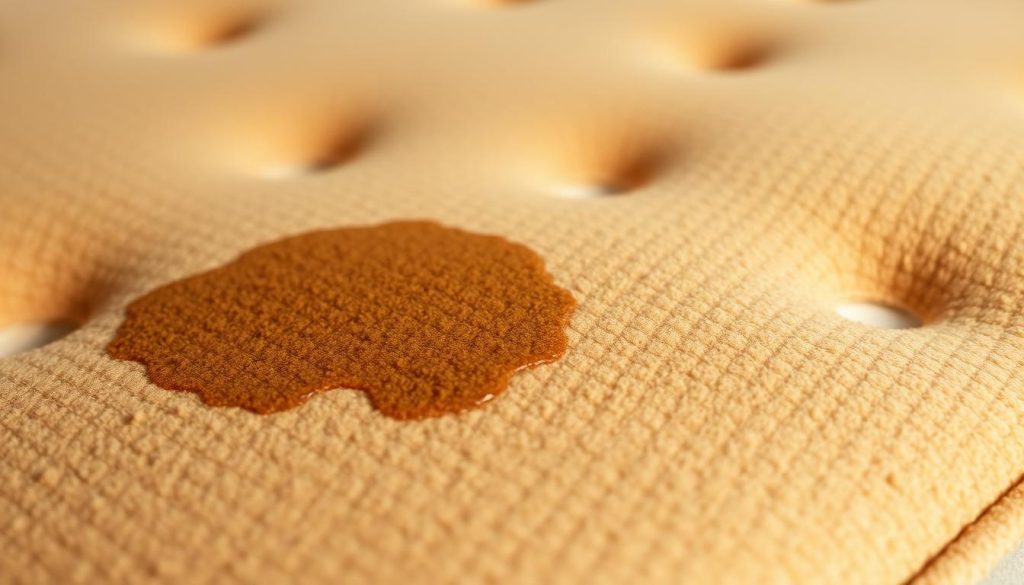
Apply the cleaner generously and let it sit for at least 15 minutes. This activation time ensures the enzymes work effectively. For stubborn stains, place a weighted book over the treated area to enhance absorption. Repeat the process if necessary.
Understanding the pH differences between cat and dog urine can also help. Cat urine is more acidic, while dog urine tends to be alkaline. Adjust your cleaning solution accordingly for better results. Homemade alternatives, like a mix of vinegar and baking soda, can also be effective for minor stains.
After cleaning, rinse the area thoroughly with cold water. Multiple rinse cycles may be necessary to remove all traces of the cleaner. Use a UV light to detect hidden stains, especially in Singapore’s high humidity, where moisture can linger.
To prevent future accidents, consider using a bed skirt for added protection. Singapore’s growing pet ownership makes these tips even more relevant. With the right approach, your mattress can stay clean and odor-free, ensuring a comfortable sleeping environment for you and your pet.
Cleaning Coffee and Wine Stains
Spills like coffee and wine can leave lasting marks on your bedding if not handled properly. In Singapore’s humid climate, these liquids can seep deep into the fabric, making quick action essential. Whether it’s a morning kopi or an evening glass of red, knowing the right techniques can save your mattress from permanent damage.
For coffee stains, dairy additives like milk or cream can complicate the cleaning process. These ingredients bind with the fabric, making the mark harder to lift. Start by blotting the area with a clean cloth, working from the edges inward to prevent spreading. Use a solution of cold water and mild detergent to gently lift the spill.
When dealing with wine stains, tannins in red wine pose a unique challenge. A salt crystallization technique can help. Sprinkle salt over the spill to absorb the liquid, then vacuum it up once dry. For white wine, pretreating the area with a mix of baking soda and water can neutralize the acidity before it sets.
Blotting directionality is crucial. Always work from the edges inward to contain the spill. Cold water is generally more effective than warm water for these types of stains, as it prevents the liquid from setting deeper into the fabric.
| Stain Type | Best Cleaning Method | Key Tip |
|---|---|---|
| Coffee | Cold water and mild detergent | Blot from edges inward |
| Red Wine | Salt crystallization | Sprinkle salt, vacuum once dry |
| White Wine | Baking soda solution | Pretreat to neutralize acidity |
Singaporean kopi, often served in ceramic mugs, poses a higher spill risk compared to western coffee in tumblers. Be extra cautious when enjoying your local brew. For wine, products like Wine Away can be a lifesaver, especially for red wine spills. With these tips, you can keep your mattress fresh and free from stubborn marks.
Removing Vomit Stains
Vomit stains on bedding can be challenging, but with the right approach, they’re manageable. Whether it’s a child’s accident or an adult’s mishap, quick action prevents lasting damage. The key is to act fast and use the right tools.
For solid vomit, scrape off the excess with a spoon or dull knife. Blot liquid spills with a clean cloth, working from the edges inward. Avoid rubbing, as this can push the mess deeper into the fabric.
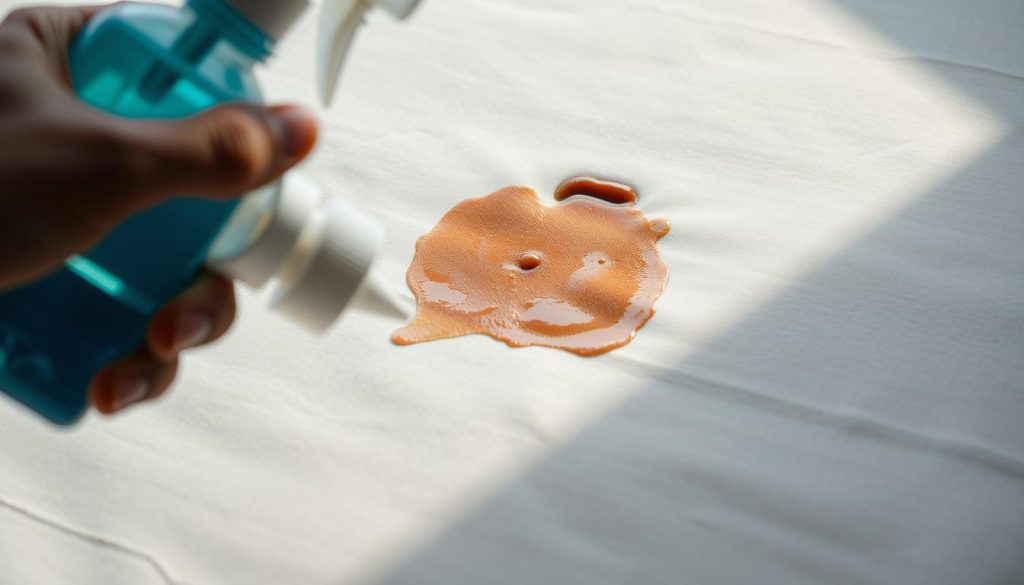
Next, sprinkle baking soda over the area to absorb moisture and neutralize odors. For stubborn smells, mix 3 parts baking soda with 1 part water to create a paste. Apply the paste and let it sit for 15-30 minutes before blotting it away.
For deeper cleaning, use an enzyme-based cleaner. These products break down proteins in vomit, eliminating stains and odors. Apply the cleaner according to the instructions and let it sit for the recommended time.
Latex mattresses require special care. Avoid oversaturating the fabric, as moisture can damage the material. Use a vacuum crevice tool to remove any residue from hard-to-reach areas.
Wear disposable gloves during the process to protect your hands. For a fresh finish, mix a few drops of essential oils with baking soda before applying it to the stain. This adds a pleasant scent while deodorizing.
After cleaning, consider UV sanitization as a follow-up step. This method kills bacteria and ensures your bedding is hygienic. For more tips on handling tough stains, check out this detailed guide.
| Type | Cleaning Method | Key Tip |
|---|---|---|
| Solid Vomit | Scrape off excess, blot with cloth | Work from edges inward |
| Liquid Vomit | Blot with baking soda, use enzyme cleaner | Neutralize odors with essential oils |
With these steps, your bedding can stay fresh and clean, even after an unexpected accident. Quick action and the right techniques make all the difference.
Handling Oily Food and Lotion Stains
Oily food spills and lotion marks can be tricky to clean, but the right approach makes it manageable. In Singapore’s humid climate, these stains can set quickly, making immediate action essential. Whether it’s a greasy oily foods spill or a stubborn lotion stains, knowing the right techniques ensures your mattress stays fresh.
For oily spills, start by scraping off excess residue using a credit card or dull knife. This prevents the grease from spreading further. Next, apply a small amount of dish soap like Dawn Platinum, known for its effectiveness in breaking down grease. Gently work the soap into the stain with a damp cloth, then blot with a clean towel.
For lotion stains, baby wipes can serve as a preliminary treatment. They help lift the residue without pushing it deeper into the fabric. For tougher marks, sprinkle baking soda over the area to absorb moisture and neutralize odors. Let it sit for 15 minutes before vacuuming it up.
Different oils pose unique challenges. Coconut oil, for example, solidifies at room temperature, making it easier to scrape off. Mineral oil, on the other hand, requires a more thorough cleaning process. SPF lotions, with their chemical composition, may need specialized cleaners to avoid discoloration.
In Singapore, where palm and peanut oils are commonly used in cooking, understanding their properties can help. Palm oil is more viscous, while peanut oil spreads quickly. Adjust your cleaning method accordingly for the best results.
For a deeper clean, consider using a vacuum cleaner with water filtration, especially for memory foam mattresses. This method ensures thorough cleaning without oversaturating the material. For more tips on maintaining your mattress, check out this detailed guide.
With these steps, you can tackle oily food and lotion stains effectively, keeping your mattress clean and comfortable. Quick action and the right techniques make all the difference.
Preventing Mattress Stains
Keeping your mattress clean and stain-free is easier with the right preventive measures. A little effort can go a long way in maintaining its freshness and extending its lifespan. Two key strategies include using a waterproof mattress protector and practicing regular cleaning habits.
Using a Waterproof Mattress Protector
A waterproof mattress protector is your first line of defense against spills and accidents. Products like Weavve’s TENCEL™ protector offer 360° elastic coverage, ensuring a snug fit. They are 100% waterproof and OEKO-TEX certified, making them safe and effective.
Washing your protector every 1-2 months is recommended to maintain its effectiveness. For added convenience, consider a dual-protector rotation system. This ensures you always have a clean one ready while the other is being washed.
Regular Cleaning and Maintenance
In Singapore’s humid climate, regular cleaning is essential. Use a vacuum with a motorized brush attachment to remove dust and allergens. A zippered encasement can provide extra protection, especially for memory foam mattresses.
Rotate your mattress every three months to ensure even wear. This simple step can prevent sagging and extend its life. For added comfort, look for protectors compatible with cooling gel layers, which are ideal for Singapore’s warm weather.
Retailers like Takashimaya and Shopee offer a wide range of protectors and cleaning tools. Investing in these products ensures your mattress stays fresh, clean, and comfortable for years to come.
Identifying and Dealing with Mattress Mold
Mattress mold is a silent intruder that can affect your health and sleep quality. In Singapore’s humid climate, moisture buildup creates the perfect environment for mold growth. Black mold, in particular, poses serious health risks, including allergic reactions and respiratory issues.
To tackle mattress mold, start by identifying the problem. Look for dark spots, musty odors, or signs of moisture. A humidity meter can help monitor indoor levels, ideally keeping them below 60%. Brands like Dyson and Honeywell offer reliable dehumidifiers for Singapore’s HDB flats.
For cleaning, a 70/30 rubbing alcohol and water solution is effective. Spray it on the affected area and let it sit for 10 minutes before wiping it away. Tea tree oil, known for its antifungal properties, can also be used as a natural alternative.
Prevention is key. Ensure proper bed frame ventilation by elevating your mattress and using slatted bases. Regularly clean your mattress to remove dust and allergens. For severe cases, consider professional remediation services. Some insurance policies may cover mold damage, so check your coverage.
In Singapore’s HDB flats, space constraints can make ventilation challenging. Use fans or air purifiers to improve airflow. With these steps, you can keep your mattress mold-free and ensure a healthier sleeping environment.
Conclusion
Maintaining a fresh and hygienic sleeping space is essential for your well-being. A clean mattress not only enhances your sleep environment but also extends its lifespan by years. For those seeking professional help, services like Be Mitley Clean offer expert solutions to keep your bedding in top condition.
DIY methods are cost-effective, but professional cleaning ensures deeper results. Families with children or pets should consider using a mattress protector to prevent accidents. Quick action and the right tools can save you from costly replacements.
For emergencies, keep a list of trusted cleaning services handy. Explore product resources like waterproof protectors and enzyme cleaners for added protection. Join community cleaning challenges to share tips and stay motivated in maintaining a healthy home.

