
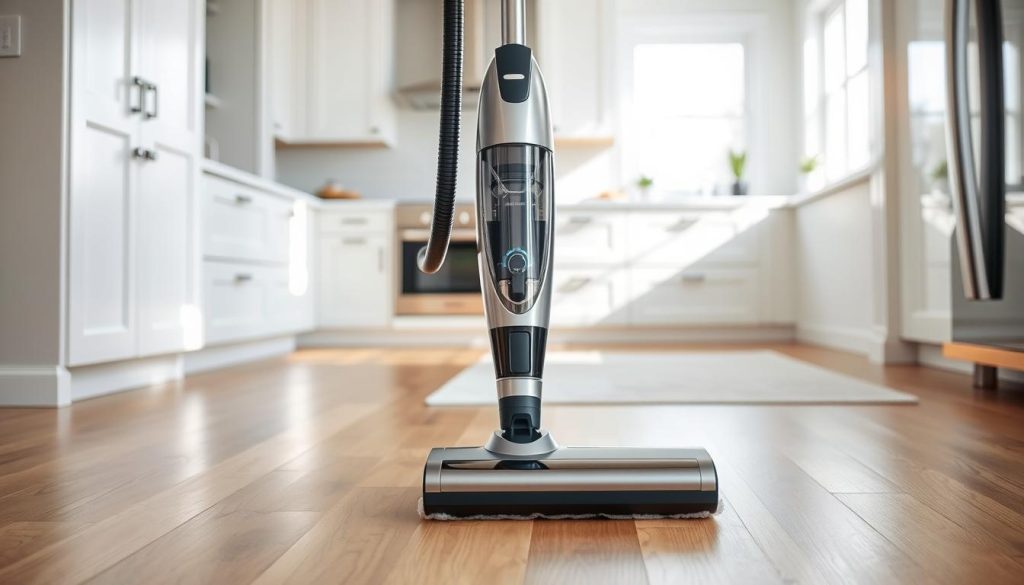
We tested vacmop combos across Singapore homes — HDB flats, condos and landed houses — where hard floors dominate and quick cleaning is the norm.
Our long-term home tests covered Tineco Floor One S7 Pro, Tineco GO H20 Sense and the Dyson V15s Detect Submarine. We compared one-pass pickup, drying, edge work, tank handling, storage footprint and upkeep.
In practical terms, multi-surface means tiles, vinyl, laminate and sealed timber, with light upkeep on low-pile rugs rather than deep carpet work.
Quick shortlist: best overall, best budget, best single-device pick, plus close runners-up — so readers can choose without overpaying for mismatched features.
We aim to help you buy the right machine for your Singapore home. Our verdicts focus on real performance, not marketing claims, so you save time and avoid wasted expense.
Why we recommend a vacuum mop combo for Singapore flats and landed homes
For flats and landed houses with large stretches of sealed flooring, a compact vacmop saves real time. We found these units cut routine tasks down to a single sensible pass. That matters in busy Singapore households where quick resets often win over marathon cleans.
One-pass cleaning that tackles dry debris and wet messes together
One-pass cleaning removes crumbs, dust and light spills at once. This approach replaces sweeping then mopping with a single workflow. It is ideal where small messes happen often.
Where cordless wet dry makes the biggest difference in day-to-day cleaning
Cordless models change how we move between rooms. No cords to trip over, faster grab-and-go sessions and simpler storage make short cleans practical.
- Faster cleanups of sticky drink drips and sauce splashes.
- Better suited to hard floors and sealed surfaces than thick rugs.
- Top units extract dirty water as they go, so floors are dry and walkable sooner.
| Benefit | Everyday impact | Best surface |
|---|---|---|
| One-pass pickup | Saves time on routine cleaning | Tiles, vinyl, sealed timber |
| Cordless mobility | Faster room-to-room moves | Compact flats, entryways |
| Water handling | Leaves floors drier after use | Kitchen and dining areas |
For a quick guide to models we tested and shortlisted, see our recommended list at best vacmop combos.
How we tested wet dry vacuums on real multi-surface messes
Since 2022 we used 16 models at home across textured kitchen flooring, older hardwood and tiled bathrooms. We favoured repeatable, everyday spill patterns to mirror Singapore households rather than artificial lab setups.
Hard floors, tiles and older timber: what “clean and mostly dry” looks like
By “clean and mostly dry” we mean minimal streaking, no puddles along the pass, and a finish safe to walk on quickly. We measured first-pass pickup and judged wetness left behind on tiles, vinyl and sealed timber.
Kitchen crumbs, sticky spills and pet hair: the everyday stress test
We strewn crumbs and syrupy spills, then checked whether machines smeared residue or lifted it on the first pass. We added pet hair to expose weak points like tangling under the brush or uneven edge pickup.
Runtime, manoeuvrability and storage: what matters in compact spaces
Runtime was logged during normal use, not just max-power bursts; typical sessions ran 20–40 minutes. We tested how units turned into corners, moved around chair legs, and cleared under low cabinets.
- Maintenance: ease of emptying dirty tanks and clearing debris traps.
- Manoeuvrability: steering, weight balance and LED guidance under cabinets.
- Storage: upright docks, footprint and accessory clutter near service yards.
| Test area | Key measure | What we noted | Typical range |
|---|---|---|---|
| Kitchen tiles | First-pass pickup | Syrupy spills: lift vs smear | High variance between models |
| Older timber | Wetness left | Streaking minimal = pass | Mostly dry in 1–2 minutes |
| Pet hair zones | Brush & roller behaviour | Tangling and edge pickup issues | Variable; some models excel |
| Compact layouts | Runtime & storage | 20–40 min typical; footprint matters | Smaller docks suit HDB flats |
What to look for in an all-in-one wet dry vacuum cleaner and mop for multi-surface
Good machines prove themselves on tiled kitchens and narrow corridors, not on spec sheets alone.
Suction power versus real pickup
Suction power numbers sound impressive, but on sealed floors we found consistent debris collection and a well‑designed squeegee matter more than headline figures.
Look for models that pair measured suction with a soft roller that lifts grit without scattering it.
Edge reach and dual-edge rollers
Edge cleaning is essential in Singapore kitchens and bathrooms where hair and dust hug skirting lines.
Dual‑edge rollers, like the Tineco S7 Pro’s, reduce the number of perimeter passes you need compared with single‑edge designs.
Tank design and capacity
Separate clean water tank and dirty water tank layouts improve hygiene and cut cross‑contamination.
Match water tank capacity to your floor area: small flats benefit from lighter units; larger homes need bigger tank capacity to avoid frequent refills.
Smart sensors and dock convenience
Smart sensors such as Tineco’s iLoop adjust suction, roller speed and water flow automatically to save battery and avoid over‑wetting.
Expect self‑cleaning and self‑drying docks to lower maintenance, though you still must empty the dirty tank and rinse the brush regularly.
- Tip: prioritise real-world pickup over claimed powerful suction on paper.
- Check tank size and ease of emptying before you buy.
- Use models with auto‑adjust features to reduce fuss during routine cleans.
| Feature | Why it matters | What to check |
|---|---|---|
| Suction power | Actual pickup on tiles | Brush design + squeegee |
| Edge cleaning | Perimeter cleanliness | Dual‑edge rollers or edge brush |
| Tank capacity | Fewer stops mid‑clean | Separate clean and dirty tanks |
For a local purchase option and service notes, consider ordering a tested LURA model via order LURA model.
Best overall cordless vacmop: Tineco Floor One S7 Pro
The Tineco Floor One S7 Pro earned top marks in our hands-on tests for balanced performance across common Singapore floor types. It pairs strong real-world pickup with sensible battery life and smart controls.
Dual-edge cleaning that reduces perimeter strips
Dual-edge rollers extend to both ends, so fewer runs are needed along skirtings and cabinet toes. That cuts missed strips and gives neater results near kitchen units.
iLoop sensing that adjusts suction and water use
iLoop detects soil level and adjusts suction, roller speed and water flow. This reduces over-wetting and saves battery during light cleans.
Up to 40 minutes runtime and a self‑propelled feel
With up to 40 minutes runtime the unit handles typical weekly sessions without urgent refills. The chassis feels self‑propelled, which eases pushes across larger open floors.
Accessories, HEPA and what’s in the box
The package includes a docking cleaning station, spare microfiber roller, spare HEPA filter, brush holder and a small cleaning solution. These extras lower early running costs and help manage dry debris.
Trade-offs to know
We note the premium price and a voice assistant that some users choose to mute. Emptying the debris trap can be messy; that remains the least pleasant chore.
- Best for: homes with mostly sealed floors wanting fast, low‑fuss cleaning.
- Avoid if: you have many rugs or want the lightest possible unit.
Best budget pick: Tineco GO H20 Sense
The Tineco GO H20 Sense is our budget recommendation for Singapore homes that need quick, reliable touch-ups without a high price tag. It is light at 8.82 lbs and easy to steer in tight flats.
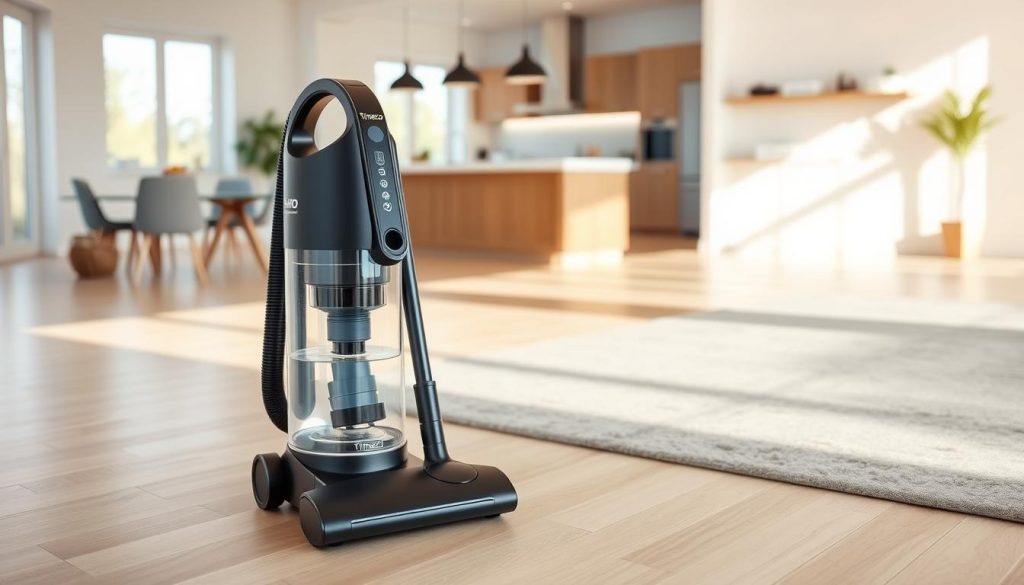
Quiet, lightweight performance with iLoop smart sensing
We liked the unit’s iLoop sensor that adjusts suction power and water flow based on soil levels. This saves battery and reduces unnecessary wetting.
The HEPA filter helps trap fine dust during short cleaning sessions. The LED screen offers status alerts so troubleshooting is simple.
Edge reach on one side: what it means in practice
The motorhead offers edge cleaning on a single side. That lets you reach skirting lines with fewer passes.
Note: corners and tight perimeters may need a brief follow-up or a change of direction to catch missed bits.
Smaller tanks and up to 25 minutes runtime: who it suits
The clean water tank and dirty water tank are about 0.5 L each. Tank capacity suits kitchens, living rooms and quick touch-ups rather than whole-house cleans.
Up to 25 minutes runtime fits apartment routines in Singapore. Larger homes may prefer longer battery life.
“We found the GO H20 Sense delivers practical, low-fuss cleaning at a competitive price.”
- Pros: light weight, quiet operation, LED alerts, self-cleaning dock.
- Cons: smaller water tanks, single-side edge cleaning, modest runtime.
- Note on cost: the low price often appears with discounts, but ongoing costs for solution and roller care still matter.
| Spec | Value | Practical impact |
|---|---|---|
| Weight | 8.82 lbs | Easy to lift and store in compact flats |
| Runtime | Up to 25 minutes | Good for touch-up cleaning sessions |
| Clean/dirty water tanks | ≈0.5 L each | Best for small areas; refill more often for larger jobs |
| Key features | iLoop, HEPA, LED, single-side edge head | Smart sensing and clear status feedback |
Best for one-device households: Dyson V15s Detect Submarine
We recommend the Dyson V15s Detect Submarine when a single stick must do heavy lifting on rugs yet still offer a wet head for sealed floors. It is not a true vacmop: the unit vacuums and then requires a motorhead change to mop. That design choice has practical benefits in small Singapore homes where storage and versatility matter.
Why separate actions can be an advantage
Separating tasks means the machine keeps its role as a powerful dry vacuum first. True combo units sometimes compromise carpet pickup; the V15s base is built around strong suction and an effective brush that handles embedded debris.
Performance on area rugs and pet hair
In our tests the V15s excelled on area rugs and with pet hair. Its brush and suction lift hair and fibres where combo rollers often tangle or miss. If your home has sofas, runners or a few low‑pile rugs, this model gives superior dry cleaning results.
Workflow, tools and space-saving storage
Realistic workflow: vacuum high-traffic soft areas first, then swap to the Submarine wet head for hard floors. The system includes multiple tools and a wall‑mount dock that keeps storage compact and reduces turnaround time between tasks.
| Feature | Practical note | Impact |
|---|---|---|
| Runtime | Up to 60 minutes (config dependent) | Enough for typical flat sessions |
| Tools included | Multiple heads, brush, wall dock | Good versatility, minimal extra storage |
| Self‑cleaning | No self‑clean mode | Manual rinse required |
Mopping with water versus adding solution
The Submarine head mops effectively with plain water in most day‑to‑day cleaning. The manual permits selected cleaning solution brands; use them only as the guide allows to avoid warranty risk. We advise rinsing the brush and tanks after use to keep parts hygienic and odour‑free.
“A single high‑performer that vacuums well and converts to a wet head can beat multi‑machine setups in space and convenience.”
Runner-up we rate highly: Dyson WashG1 standalone vacmop
Dyson’s WashG1 brings a premium, pared-back approach to cord-free floor care that suits compact Singapore homes.
Dual-edge rollers improve perimeter results. They sweep close to skirtings and under cabinet toes, so edges need fewer follow-up passes. That is useful in kitchens and bathrooms where hair and grit gather.
Slide-out dry debris tray and separation design
The WashG1 uses a slide-out dry debris tray placed between two brush rollers. This traps solids before they meet the dirty water tank. We found this feels more hygienic and less “soupy” when compared with combined-holding designs.
Runtime and practical simplicity
Expect around 35-minute runtime on a typical charge. That suits an HDB living room plus kitchen in a single session without constant refills of the water tank.
Simple, sleek and easy to clean means fewer fiddly parts, a minimalist dock and a short post-clean routine. Dyson keeps accessories lean; ordering direct may include extra rollers but the base bundle is spare compared with rivals.
“A premium alternative for buyers who like Dyson’s design language and want a true vacmop experience for hard floors.”
- Good for: tidy hard-floor households that prioritise edge cleaning and hygienic debris separation.
- Limitations: modest accessory pack and limited rug performance.
Also tested: Shark Hydrovac Pro XL Cordless and Hydrovac Messmaster
Lightweight rigs with clear controls still win favour in crowded kitchens and tight storage spaces. We tested the Shark Hydrovac Pro XL Cordless and the newer Hydrovac Messmaster (WD260 series) to see where they fit in local routines.
LED headlights, washable filters and day-to-day usability
The Hydrovac Pro XL scores on approachable ergonomics. Its motorhead LED headlights improve visibility under cabinets and in darker kitchen corners. Controls are intuitive and the lightweight build makes quick sessions painless.
Washable foam filters are a practical plus. They reduce recurring costs when maintained correctly and help preserve suction over time.
Where it trails: sturdiness, noise and leaving floors a bit wetter
Compared with the Tineco iFloor 3 the Shark felt pricier yet less sturdy. The brush roll claims an antimicrobial treatment, but the chassis felt lighter and more prone to flex if moved daily in and out of storage.
Noise was higher than expected; in apartment living louder operation matters for early‑morning or late‑night cleaning. We also noted the unit left floors slightly wetter, which means longer dry times in Singapore’s humid weather and more risk of footprints on recently cleaned floors.
- Why still on the shortlist: easy handling, LED visibility and comfy ergonomics.
- Best fit: lighter‑duty households that value usability over the driest possible finish.
| Aspect | Note | Impact |
|---|---|---|
| Filters | Washable foam | Lower consumable costs |
| Water handling | Leaves floors a bit wetter | Longer dry time |
| Noise | Louder than some rivals | Be mindful in flats |
| Usability | LED headlight, light weight | Good for quick touch-ups |
Spotlight on Dreame wet dry vacuum models and standout features
The Dreame range mixes strong hardware with smart software to simplify routine cleaning in humid Singapore homes. We looked at H‑series Pro variants and noted how features scale across tiers.
Edge cleaning, smart sensors and controls
Edge‑to‑edge brush design aims to reach skirting and cabinet lips with fewer passes. Verify this in corners; real reach matters more than claims.
Smart sensors detect soil and auto‑adjust suction, conserving battery and avoiding over‑watering. Screens and app controls reduce the need to switch modes manually.
Hot‑water wash and rapid drying
Self‑cleaning docks use hot water to flush rollers. Higher‑end Pro docks offer 85–90°C washes and a self‑drying cycle that cuts smell risk in humid flats.
How to read specs
Compare kPa figures and runtime claims cautiously. Dreame examples run 18–23kPa with 40–72 min runtime and clean water tanks near 780–880mL. Check dirty water tank usable volume when the unit lies flat; capacity can fall below ratings and interrupt a session.
| Model | Suction (kPa) | Runtime (min) | Clean tank (mL) |
|---|---|---|---|
| H14 Pro | 18 | ≈40 | 880 |
| H15 Pro Heat | 22 | 40–72 | 800 |
| H15 Pro CarpetFlex | 23 | 40–60 | 800 |
Side-by-side comparison: which model fits your home and cleaning habits
Surface type and cleaning frequency should guide your choice more than headline specs. We frame recommendations around how you actually use a machine in a Singapore home.
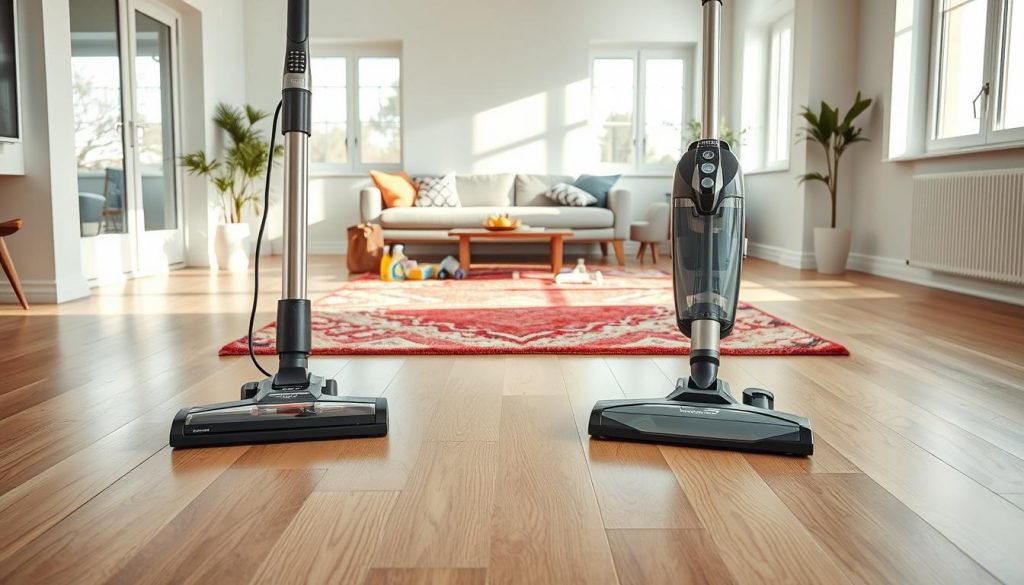
Best for mostly hard floors vs mixed surfaces with area rugs
If your flat is mostly sealed floors, choose a true vacmop that excels on tiles and sealed timber. These models cut routine cleaning time and leave floors walkable quickly.
If you have area rugs, consider a high‑performance stick vacuum that swaps to a wet roller head. The Dyson V15s Detect Submarine is stronger on rugs while still offering a mop head for hard areas.
Best for pet hair and daily dry debris pickup
Pet hair and daily dry debris are handled best by models with robust brush bars and anti‑tangle designs. The Dyson base excels here; combo rollers can tangle more and need extra maintenance.
Best for edge cleaning and tight perimeter passes
Edge cleaning matters in kitchens. The Tineco S7 Pro’s dual‑edge design reduces perimeter passes compared with single‑side heads like the budget GO H20 Sense.
Best value over time when you factor consumables and upkeep
Look beyond price. Check consumables, branded cleaning solution needs, spare rollers and filter costs. Self‑clean docks lower upkeep, but you still must empty dirty tanks and rinse parts regularly.
| Need | Best match | Price note | Practical gain |
|---|---|---|---|
| Mostly hard floors | Tineco S7 Pro | Mid‑premium | Fast, walkable finish |
| Mixed with area rugs | Dyson V15s Detect Submarine | Higher price | Superior rug pickup |
| Budget touch-ups | Tineco GO H20 Sense | Lower price | Lightweight, quick jobs |
| Low upkeep preference | Models with self‑clean dock | Higher initial price | Lower long‑term fuss |
Hard floors in Singapore: tile, vinyl, laminate and sealed timber
Practical cleaning depends on removing soiled water as you go, not just spreading moisture around. We favour units that combine measured water flow control with instant suction to pull dirty liquid back into the tank.
How machines minimise water left behind for quicker drying
Vacmops use controlled water release plus continuous suction to leave surfaces mostly dry. Strong suction removes dirty water at the point of contact, which shortens floor dry time on tile and sealed timber.
Cleaning around cabinets and bathroom edges without streaks
Edge cleaning matters where grime and soap residue show under lights. Roller shape, squeegee contact and consistent brush pressure determine whether a pass leaves streaks.
- Map: use sealed timber only with sensible water use; avoid puddles.
- Why faster: controlled water flow + suction beats manual mopping at removing dirty water.
- Humid tips: open windows, run an extractor, or take a short final pass to speed drying.
- Technique: slow over sticky spots, then do a quick dry pass if available to improve finish.
Area rugs and low-pile carpets: what “multi-surface” realistically means
Rugs and low‑pile carpet change the rules: a unit made mainly for sealed floors rarely performs well on fibres. We found no true combo impressed on rug cleaning during our hands‑on tests.
Why dedicated dry tools outperform combo heads
Physics matters: rugs need sustained airflow and higher suction power to lift embedded grit and hair. Combo motorheads trade airflow for water handling, so a dry vacuum head usually wins on fibres.
When a stick unit plus a wet roller head is the smarter route
We recommend a strong stick platform if rugs are central to your living space. The Dyson V15s Detect Submarine is a practical single‑device option: it excels as a dry vacuum on rugs and converts to a separate wet roller for sealed floors.
- Define needs: prioritise rug performance if you keep area rugs regularly.
- Practical workflow: vacuum rugs first, then swap to the wet head for hard floors.
- Best practice: avoid over‑wetting, use manufacturer modes, and limit use to low‑pile rugs only.
| Surface | Best tool | Why |
|---|---|---|
| Area rugs | Dry vacuum / stick unit | Higher airflow, tangle control, better hair removal |
| Sealed floors | Wet dry combo head | Controlled water release + suction for quick drying |
| Low‑pile transition rugs | Stick + wet roller (sequential) | Best compromise: deep clean then refresh surface |
Tanks, water flow and cleaning solution: getting the best clean every time
A well-sized water system keeps sessions efficient and prevents mid-clean interruptions. We focus on how tank design, flow control and solution choice combine to give a consistent finish every time.
Choosing the right clean water tank and dirty water tank capacity for your floor size
Smaller tanks reduce weight and make handling easier in tight flats. They increase refill stops, which disrupts a longer session.
Large tank capacity suits open-plan living rooms and longer runs. Match tank size to your floor plate and how often you want to refill during a clean.
Proprietary cleaning solution versus using water only: cost and convenience
Some brands include a capful of cleaning solution with the unit. Solutions cut grease faster on kitchen tiles, but add ongoing cost and storage needs in Singapore.
Water-only cleaning works well for light spills and daily upkeep. If you use a solution, follow dilution guidance so rollers stay consistent and the finish is repeatable every time.
Solid-liquid separation and debris traps: reducing clogs and mess
Solid-liquid separation reduces clogs and keeps solids away from the dirty water chamber. Debris traps make emptying neater and lower odour risks.
Empty and rinse the dirty water tank immediately after use. Do not leave soiled water standing overnight; that practice preserves parts and prevents smells.
| Item | Practical tip | Why it matters |
|---|---|---|
| Tank capacity | Match to room size | Fewer refills, smoother sessions |
| Cleaning solution | Use per manufacturer guide | Better grease removal vs cost |
| Debris traps | Clear solids before rinsing | Less clogging, easier emptying |
Maintenance and running costs we factor into our recommendations
Routine upkeep shapes whether a machine stays useful or becomes a cupboard chore. We judge models not only by features but by the actual time and effort needed after each session. That practical view influenced our scores and final picks.
Self-cleaning cycles, brush care and keeping odours under control
Self-cleaning cycles flush rollers and internal pathways. The Tineco S7 Pro offers a quick and a super cycle in its dock, while the GO H20 Sense runs a simpler self-clean on its base. These cycles reduce manual rinsing but do not eliminate it.
Self-drying matters. A drying stage helps prevent mould and keeps smells down in humid Singapore conditions. The Dyson V15s Submarine lacks an auto-clean mode, so manual drying is essential after use.
Filter upkeep, replacement rollers and what to rinse after each use
Brush and roller care is routine: hair collects quickly, so easy removal and rinse access make a real difference in daily life. Check how the head disassembles before you buy.
Filters are another ongoing cost. Washable filters extend life but need regular rinsing; replaceable HEPA parts keep indoor air quality steady though they add to running costs.
- Empty the dirty water tank straight after cleaning.
- Rinse the clean water tank, clear debris traps and wash rollers where recommended.
- Store units on the dock to let parts air-dry; run a self-clean cycle when available.
| Task | Frequency | Why it matters |
|---|---|---|
| Empty dirty water tank | After each use | Prevents odour and staining |
| Rinse rollers & debris traps | After each use | Reduces tangles and clogs |
| Wash/replace filters | Monthly / per manufacturer | Maintains suction and air quality |
Running costs go beyond price: replacement rollers, filters and branded solution add up. We factor typical consumable lifespans into our recommendations so buyers in Singapore see realistic lifetime costs, not just the initial price.
Pricing and availability in Singapore: where we check before you buy
Price tags tell only part of the story; availability and aftersales support finish the picture for Singapore buyers. We look at typical price bands, what each tier usually includes, and practical marketplace caveats that affect ownership.
Typical price bands and what to expect
Budget models generally sit at lower price points and include basic heads, smaller tanks and fewer spares. Mid-range options add longer runtime, smarter sensing and an extra roller or two.
Premium units command higher prices but bundle docking stations, self-clean cycles and better local support. Match the price to the feature set you actually need.
Marketplace considerations and delivery notes
Delivery can take longer if the seller needs time to source stock. FairPrice Group E‑Vouchers are not valid on Marketplace purchases.
Invoices for Marketplace orders are issued by sellers and may not be available for all purchases. Check the listing and ask the seller before you pay.
Pre-purchase checklist
- Warranty length and local service support.
- Whether replacement rollers, filters and branded solution are stocked locally.
- Return policy, delivery lead time and whether the listing includes spare parts or useful extras.
| Price band | Typical inclusions | Why it matters |
|---|---|---|
| Budget | Basic head, small tanks | Lower upfront cost, higher refill frequency |
| Mid‑range | Longer runtime, extra roller | Better day‑to‑day value |
| Premium | Dock, self‑clean, local support | Lower upkeep time, higher initial spend |
Conclusion
To finish, we match each top pick to common Singapore floor mixes so you buy with confidence. For mostly hard floors we favour the Tineco S7 Pro. For mixed homes with rugs the Dyson V15s Submarine wins. Budget buyers will appreciate the GO H20 Sense as a practical option.
Remember the key performance gaps: edge reach, drying performance, tank convenience and realistic rug expectations. Smart sensing and measured water use often matter more than raw suction when keeping floors walkable.
Maintenance is part of the experience. Quick post-clean rinses and emptying the dirty tank keep smells away and sustain suction over time. Pick the model that suits your floor mix, storage space and tolerance for upkeep — a strong, clear choice beats chasing numbers alone.

