
We set out to make choosing for Singapore homes simple. Hard floors rule here, so fast, hygienic cleaning matters most.
There are three clear categories: dedicated floor washers, hoover-first systems with a mop head, and robot hoover-plus-mop combos. We explain how each suits HDB flats and condos, with storage and noise in mind.
Our approach is testing-led. We judge pickup, streaking, drying, runtime and upkeep rather than adverts. This means our shortlist reflects daily use, not just specs.
Below, we preview top picks at a glance and offer detailed model breakdowns. Expect balanced advice on performance, price and practicality so you avoid buyer’s regret.
Why a wet-dry vacuum makes sense for Singapore homes with hard floors</h2>
Singapore flats with tile or vinyl floors face daily spills and tracked-in mess that demand a smarter clean. We find that households with children or pets benefit most from a single machine that handles both liquid and solids.
Everyday messes we see
Drink spills, cooking splatter and pet paw prints are common on tiled entryways and kitchens. Fine dust from corridors builds up between sweepings.
Wet dry units lift sticky residue, pick up small debris and remove grit that a mop tends to push around.
How they beat a dry vacuum plus mop
Doing a dry vacuum pass then a separate mop pass takes time. A combined unit usually shows visibly cleaner floors in fewer steps.
Practical gains include fewer tools to pull out, less sloshing than a bucket routine and a controlled cleaning process that suits regular upkeep.
| Use case | Typical mess | Why wet dry helps |
|---|---|---|
| Entryways | Fine dust, tracked grit | Lifts particles and removes residue in one pass |
| Kitchens | Cooking splatter, spills | Handles liquids and sticky dirt without switching tools |
| Dining areas | Food debris, small spills | Picks debris and clears stains fast |
For routine maintenance and occasional deep cleans, we also recommend reading our guide on how to clean the dirty carpet for tips that apply to floor care and tank maintenance.
Our testing-led approach to choosing the best wet-dry vacuums right now</h2>
We test machines the way people actually use them in Singapore flats. That means short runs for quick spills, longer runs for whole-room passes, and repeat checks after heavy kitchen use.
What we prioritise is simple: how well suction handles dry pickup, how a mop mode leaves floors streak-free, realistic battery life for HDB and condo layouts, and practical maintenance needs.
What we measure
- Suction for hairs, grit and larger debris — we record pickup at normal walking speeds.
- Mopping results for streak-free finish and residue control.
- Battery life in real-world cycles: short, medium and long runs to show usable time per charge.
- Maintenance overhead: tank emptying, brush care and part rinsing that affects smells and hygiene.
What “hands-off” actually means
Some systems offer a quick self-rinse that helps between uses. Others have full docking stations that wash and dry rollers or pads automatically.
We judge claims by how much human time they save. If a dock still needs daily tank dumps or frequent brush attention, it isn’t truly hands-off for busy households.
Ergonomics and design also matter. Weight, manoeuvrability, reach under furniture and compact storage determine whether a model suits Singapore homes.
vacuum cleaner wet and dry best picks at a glance</h2>
Here is a compact shortlist that maps each model to common Singapore home needs. We summarise what makes each pick stand out so you can see trade-offs at a glance.
Best overall floor washer for hard floors
Tineco Floor One S7 Pro — exceptional cleaning for tiled and vinyl floors with strong pickup and reliable finishing.
Runner-up with long runtime and lay-flat reach
Roborock F25 Ace — up to 60 minutes runtime and a lay-flat head that reaches under low furniture easily.
Best budget 3-in-1 option
Shark HydroVac Cordless — a value-focused 3-in-1 that balances price with useful self-clean features.
Best 2-in-1 vacuum-first option for mixed floors
Dyson V15s Detect Submarine — swappable head design that treats carpets and hard floors without compromise.
Best robot for light daily maintenance
Roborock Qrevo Curv — automated dock tasks make it ideal for quick daily upkeep, not heavy stain removal.
| Model | Strength | Runtime (minutes) | Suitability |
|---|---|---|---|
| Tineco Floor One S7 Pro | Hard-floor performance | 40 | HDB kitchens, tile, vinyl |
| Roborock F25 Ace | Long runtime, lay-flat head | 60 | Whole-room runs, low furniture |
| Shark HydroVac Cordless | Value 3-in-1 | 35 | Budget-conscious flats |
| Dyson V15s Detect Submarine | True 2-in-1 versatility | 45 | Mixed flooring, rugs |
| Roborock Qrevo Curv | Dock automation | 90 (robot cycles) | Daily light cleans |
Quick note: model choice depends on floor type and routine. Some picks are not suited to carpets, some have smaller tanks, and some need regular hands-on maintenance.
Next, we unpack specs, real-world cleaning and which model suits different Singapore households.
Best overall wet-dry vacuum for most people: Tineco Floor One S7 Pro</h2>
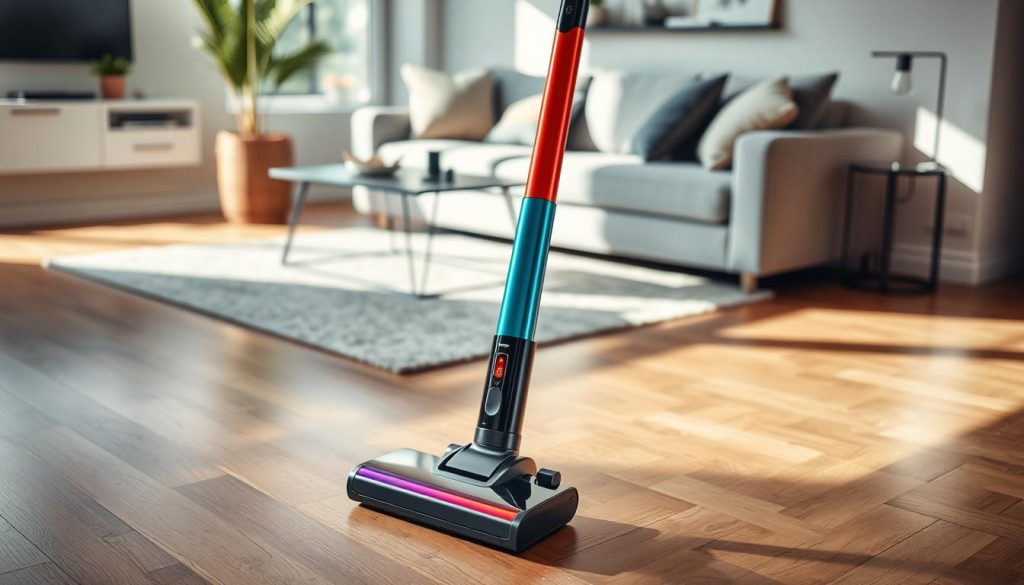
We rate the Tineco Floor One S7 Pro for its balance of strong pickup and reliable mopping suited to everyday Singapore living. It handles common spills and tracked grit with repeatable results across tiles and vinyl.
Key specs
Dual tanks: clean water tank 0.85L, dirty water tank 0.72L. Weight is 9.75kg.
Runtime is up to 40 minutes and a full charge takes about 4 hours. This battery life covers most short-to-medium whole-room passes.
Standout features
Self-propulsion eases long corridors. Auto Mode sensors adjust flow and a clear LCD with voice prompts reduces guesswork.
Cleaning modes that matter
The unit offers Ultra for deep deodorising, Max for stubborn kitchen stains and Suction Mode to pick up quick spills without over-wetting.
Who should consider it
Ideal for pet owners and flats with extensive hard floors. The combination of mopping performance and strong suction suits high-traffic areas.
Trade-offs
Expect routine maintenance: emptying the dirty water tank and rinsing parts after each run. It is designed for hard floors only and peaks near 65dB in Ultra.
| Feature | Detail | Why it matters |
|---|---|---|
| Tanks | 0.85L clean / 0.72L dirty | Fewer refills for living-room sized areas |
| Runtime | 40 minutes | Enough for most HDB rooms on one charge |
| Auto Mode | Sensor-driven flow | Saves water and adjusts suction for dirt levels |
| Cleaning modes | Ultra / Max / Suction Mode | Practical choices for deodorising, stains and spills |
Runner-up wet-dry vacuum with strong manoeuvrability: Roborock F25 Ace</h2>
We position the Roborock F25 Ace as our runner-up when you want excellent hard-floor cleaning with a noticeably more effortless feel in hand.
Why it feels effortless: power-assisted wheels and fully flat reach
The F25 Ace uses power-assisted wheels to cut the push effort on long corridor runs. This matters in compact Singapore flats where manoeuvre and speed count.
The low, lay-flat design reaches under beds and TV units that often trap dust. At 6.2kg it is light enough for stairs and tight turns.
Hot water dock wash vs room-temperature wash for greasy kitchen floors
The dock supports a hot water wash that breaks down grease more effectively. Hot water uses more energy but gives a deeper clean for stubborn kitchen grime.
For routine upkeep, a room-temperature wash plus hot-air drying is usually sufficient and less energy intensive. Both flows rinse the roller into the tanks automatically.
Battery life advantage: up to 60 minutes runtime
Battery life peaks at 60 minutes of runtime, which covers longer single-session cleans without swapping devices. Charge time is about 6.5 hours.
- Tanks: 0.74L clean / 0.72L dirty
- Power: assisted wheels and app-controlled modes for consistent results
Note: This system excels on hard floors. If carpets are frequent in your home, consider a different model.
Best budget wet-dry vacuum for practical cleaning: Shark HydroVac Cordless</h2>
We choose the Shark HydroVac Cordless as a value-focused option that suits many Singapore flats. It packs a three-in-one approach — vacuuming, mopping and a self-clean cycle — into a compact, cordless package aimed at everyday use.
Three-in-one value: vacuum, mop and self-clean cycle
Compact design and a 0.5L tank make this unit easy to store. At 3.95kg it is light for quick spot cleans. The self-clean routine helps reduce manual scrubbing, though it is not flawless.
Floor compatibility: hard floors plus low-pile rugs without soaking
This model handles tiled and vinyl surfaces well. It also refreshes low-pile rugs in the Freshen mode without saturating fibres.
What to watch: brush roll drying time and dirty water tank emptying
Runtime is 25 minutes, so this is best for targeted jobs in smaller flats rather than whole-home passes.
Maintenance is a trade-off: the dirty water tank usually needs emptying after each use, and the brush needs removing to dry for roughly 24 hours to avoid odour or mould.
| Spec | Detail | Practical impact |
|---|---|---|
| Tank volume | 0.5L | Good for short sessions; requires frequent emptying |
| Weight | 3.95kg | Easy to carry between rooms and store in small flats |
| Runtime | 25 minutes | Suited to spot cleans and kitchens, not full-flat deep cleans |
| Charge time | 4 hours | Standard overnight recharging between uses |
| Brush care | 24-hour drying recommended | Increases maintenance time despite self-clean cycle |
Who should consider it: buyers on a tighter price point who want a cordless, practical option for quick floor care. If you value low price and light maintenance trade-offs, this is a sensible option.
Best 2-in-1 wet-dry option for homes with carpets and hard floors: Dyson V15s Detect Submarine</h2>
For mixed homes with rugs and tiled living areas, a true vacuum-first system keeps carpet performance intact while adding mop capability.
Swappable floorheads for a true vacuum-first system
We like that the unit starts as a full-power stick. The standard head tackles carpets and upholstery with strong suction. Then a Submarine head clips on for targeted mopping of hard floors.
Mopping performance for spills and fine dust
The mopping head handles muddy footprints, quick spills and fine dust left after a vacuum pass. The 0.3L water tank is small, so expect more refills for longer sessions.
Known drawback: dirty water tank spillage
Be clear-eyed: the dirty water tank is not fully sealed. Removing the Submarine head can risk spillage. This adds friction for neat households who dislike extra mess.
Who should pay the premium price in Singapore
We recommend this model for households that prioritise carpet suction first but want a capable mop add-on. It suits those willing to trade occasional tank fiddling for one cordless tool that covers both floors.
| Spec | Value | Why it matters |
|---|---|---|
| Water tank | 0.3L | Good for quick spot mops; frequent refills for kitchens |
| Bin / Dust | 0.77L | Large enough for normal flat use without constant emptying |
| Weight / Runtime | 3.8kg / 60 min | Light to carry; long cordless use for whole-room passes |
| Charge time / Price | 4h30 / Premium | Overnight charging; higher purchase cost reflects vacuum-first performance |
Best robot vacuum and mop for minimal effort: Roborock Qrevo Curv</h2>
For households that value time over toil, the Roborock Qrevo Curv is our pick for near-automatic floor upkeep. It pairs capable suction with a thoughtful mop setup so tiles and vinyl stay presentable with little intervention.
What it does well
Two rotating mop pads provide more even coverage than a static pad. One pad is edge-focused to reduce the common ring of unclean edges in corners and skirting lines.
Strong robot suction keeps daily dust and light dirt under control, making routine cleaning efficient for busy Singapore homes.
Dock automation explained
The dock handles the chores most users dislike: it empties the dust bin, refills water tanks, dispenses detergent, washes pads and finishes with hot-air drying. This system cutbacks manual maintenance time significantly.
Limitations to set expectations
Robots excel at frequent, light cleaning. They do not scrub tough dried stains or heavy spillages the way a manual wet-dry machine will. Plan weekly manual spot cleaning for stubborn marks.
| Feature | Practical benefit | What it won’t do |
|---|---|---|
| Rotating mop pads | Even coverage, better edge reach | Deep scrubbing of baked-on stains |
| Dock automation | Saves daily maintenance time | Cannot replace a targeted manual clean |
| Robot suction | Daily dust and light dirt pickup | Limited performance on heavy crumbs or wet spill penetration |
How to use it in Singapore: run daily short cycles to keep floors looking fresh, and schedule a deeper, manual clean weekly or after heavy cooking. If your priority is the least time spent on floor care, this system category delivers that benefit most clearly.
Other top wet and dry vacuum cleaner models available in Singapore</h2>
For shoppers balancing price, runtime and special features, these other Singapore-available options deserve a look. We list credible alternatives that suit different routines and floor types.
Tineco Floor One Switch S7 Stretch
Tineco floor one offers a switchable floor washer plus stick option. It uses an iLoop sensor, has a 1,000ml clean tank and 720ml dirty water tank, and runs up to 50 minutes as a washer or 70 minutes as a cordless vacuum.
Dreame H15 Pro Heat
Hot water mopping reaches 85°C to tackle greasy marks and stubborn stains. Suction is strong at 22,000 Pa. Expect up to 70 minutes runtime in normal mode, or about 25 minutes when using hot-water mode.
Narwal S20 Pro
The Narwal S20 Pro is light and agile. It claims 20,000 Pa suction, 60 minutes runtime, five cleaning modes and easy manoeuvrability for daily upkeep.
Bissell CrossWave X7 Cordless Pet Pro
Built for pet households, this model highlights Turbo Pet mode for hair removal. Runtime is roughly 30 minutes; it balances pet-focused cleaning modes with compact tanks.
Simplus Cordless Wet-Dry and Dyson V12s Submarine
Simplus offers strong 21,000 Pa suction, a 50-minute runtime and practical 500/550ml tanks at an approachable price. The Dyson V12s Submarine range focuses on lightweight cordless use, HEPA filtration and up to 60 minutes runtime for a vacuum-led ecosystem.
“These alternatives make it easier to match features to your routine,”
How to choose the right wet-dry vacuum for your floor type and routine</h2>
We start by matching the device to your dominant surfaces and how you actually clean. This keeps expectations realistic and avoids overpaying for features you will never use.
Dedicated floor washer vs a vacuum-with-mop head vs robot system
Dedicated floor washers suit mostly hard floors. They scrub and remove sticky residue in one pass.
Vacuum-with-mop heads are a good option for mixed homes. They let you switch between carpets and hard floor areas but usually have smaller tanks.
Robot systems are the lowest-effort choice for regular light cleaning. They keep dust and light debris down but won’t tackle dried stains or heavy spillages.
Hard-floor material considerations: tile, vinyl, laminate, marble
Tile and vinyl tolerate a bit more water. Marble and laminate need careful water control to avoid edge damage.
Choose a device with gentle modes and clear flow control for delicate surfaces. Avoid oversaturating skirting lines.
Mixed flooring: when a 2-in-1 saves real time
If you alternate between rugs and tiled living spaces, a 2‑in‑1 prevents constant tool changes. That saves minutes on every clean session.
Expect more frequent tank refills and slightly higher maintenance than a single-purpose washer.
Families with children or pets: what matters most
Quick spill response and strong hair pickup rank highest. Pick a model with easy-empty tanks and simple brush access.
Be sceptical of sweeping disinfecting claims. Look for proven drying and rinse cycles to reduce odour and bacteria build-up.
- Decision tree: mostly hard floors → dedicated floor washer.
- Mixed rooms → vacuum-with-mop head.
- Lowest effort for routine upkeep → robot system.
Recommendation mindset: pick the device type that matches your routine first, then compare specs and maintenance burden within that category.
Key specs that actually affect daily use: tanks, battery, suction and noise</h2>
Practical specs decide how often you refill, recharge or stop mid-clean — not marketing figures.
Water tank capacity and real refill frequency
Clean water and dirty water tank sizes drive convenience. A 0.85L clean / 0.72L dirty set (Tineco S7 Pro) covers most HDB kitchen runs without a top-up.
Smaller tanks such as 0.5L (Shark) or 0.3L (Dyson Submarine) suit spot jobs but force more frequent emptying and refills.
Battery life and runtime in practice
Runtime tells you what a session looks like: 25 minutes fits quick spill response; 40 minutes handles a typical flat; 60 minutes covers whole-home passes; 70 minutes helps larger layouts or slow, careful cleaning.
Note: hot-water modes cut runtime sharply — Dreame H15 drops from 70 to about 25 minutes when using heat.
Suction power and pickup
Suction should move debris, lift fine dirt and gather hair without pushing wet spills into streaks. We prioritise measured pickup over raw Pa numbers, since real-world head design controls results.
Noise and HDB comfort
Noise matters in shared buildings. Around 65dB in high modes (Tineco S7 Pro) is noticeable but tolerable for daytime cleaning. Quieter operation can be preferable to extra power for early-morning or evening use.
| Spec | Example | Practical impact |
|---|---|---|
| Clean / dirty tank | 0.85L / 0.72L | Fewer refills; useful for full kitchen + living area |
| Runtime | 25 / 40 / 60 / 70 minutes | Spot → short flat → whole-flat → large layouts respectively |
| Suction | Measured pickup over Pa | Better hair and debris removal; less pushing of spills |
| Noise | ~65dB (high) | Daytime use OK; choose quieter modes for sensitive times |
Cleaning modes and smart features to look for</h2>
Choosing the right modes and smart features lets a device match your routine, not the other way round. We focus on practical functions that reduce repeat work, limit smearing and keep rollers hygienic in humid Singapore conditions.
Auto mode sensing matters because it adjusts water flow and suction to the actual dirt level. Models with reliable sensors, like the Tineco S7 Pro, raise flow for grime and ease off for light dust. That saves water and avoids over-wetting delicate skirting and laminate floors.
Auto mode sensing for dirt and water flow control
Auto mode uses sensors to judge soil and change the water output. This reduces manual tweaks and shortens session time for daily upkeep.
Max mode and stain-focused performance for kitchens and entryways
Max mode gives extra agitation and flow for oily kitchen spots and tracked-in grit by the door. Judge a mode by whether it cleans stains in one pass without smearing and by how fast the floor dries.
Hot water washing and drying docks for roller hygiene
Hot water docks that wash with heated water then dry the brush minimise odour and mould risk. Roborock F25 Ace’s hot-water option plus hot-air drying makes brush care far simpler in our climate.
| Feature | What it does | Why it matters |
|---|---|---|
| Auto mode sensing | Adjusts water flow and suction to dirt levels | Saves water; avoids over-wetting; reduces manual changes |
| Max / Stain mode | Boosts agitation and flow for stubborn marks | Fewer repeat passes; faster stain removal in kitchens and entryways |
| Hot-water dock + drying | Heated rinse and hot-air drying for rollers | Improves hygiene; prevents odour in humid climates |
| Auto detergent dispensing | Metered detergent release during wash | Consistent results; less user guesswork |
Smart features are useful only when they reduce choices and maintenance time.
Our advice: pick systems with sensible auto mode control for daily use, reserve Max mode for heavy kitchen grime, and choose a hot-water wash plus drying dock if you prefer minimal brush handling.
Maintenance and running costs we factor in before we recommend a model</h2>
Routine upkeep often hinges less on raw power than on how easy a machine is to empty and dry. We include maintenance as a core performance metric because a model that is awkward to maintain will be used less, lowering real-world cleanliness.
Self-clean systems: what they do and what they don’t
Self-clean systems rinse rollers or pads and cut manual scrubbing. For example, the Tineco S7 Pro rinses its brush but still needs the dirty water tank emptied after most runs.
Reality check: docks like the Roborock F25 Ace add hot-air drying to reduce odour, while the Qrevo Curv handles refill, pad wash and drying automatically. No system removes all occasional deep cleaning.
Dirty water tank routines to avoid odours and bacteria build-up
Empty the dirty water tank promptly after each use. Rinse with clean water and leave the parts to air dry. In humid Singapore, this step prevents odour and bacterial growth.
Brush roller care, drying time and replacement considerations
Brushes often need removal for a final rinse. Some models require up to 24 hours of drying time; the Shark HydroVac commonly needs this to avoid mould.
Replace rollers and pads per the manufacturer’s schedule. That small recurring cost preserves performance and hygiene.
Detergent use, automatic dispensers and ongoing costs
Automated detergent dispensing gives consistent results but adds running costs. Count detergent and replacement pads, filters and rollers when comparing price over two years.
“Consider maintenance and consumables alongside purchase price — they shape real value over time.”
- Quick checklist: empty dirty water tank after use; rinse and dry parts; follow brush care steps; budget for detergent and spare parts.
- Why it matters in Singapore: humidity increases drying time and the risk of odour, so choose systems with good drying features where possible.
Conclusion</h2>
Our final word: choose the vacuum cleaner wet and dry best suited to your routine, not the flashiest spec sheet.
We advise one clear match per household: a dedicated hard-floor washer for deep scrubs, a 2‑in‑1 for mixed floors, a robot for low-effort daily upkeep.
Think about real-world performance: suction, battery life and tank capacity determine how often you stop a session. Good cleaning starts with realistic runtime expectations.
Expect trade-offs: stronger scrubbing usually adds maintenance; lower-hands‑on choices save time but clean lighter. Compare price against likely upkeep to see total cost.
Next step: shortlist two models in your category, check tank sizes, runtime and maintenance steps, then buy the option you will use every week.

