

We set clear expectations: this roundup compares leading wet dry models that Singapore buyers often eye for value and stock availability. Our aim is practical: help you choose what works in a real home.
We explain what a unit does — pickup plus washing or mopping on compatible surfaces — and where it sits versus a standard vacuum cleaner for daily dust control. This helps set realistic performance expectations.
We preview brands we test: Philips, Dyson, Russell Taylors, Dibea, Airbot, Tineco and Electrolux. When we say “best” we mean reliable performance, hygiene, easy maintenance and fair ownership price.
Practical notes for import: we flag cross‑border issues Singapore buyers should check — warranty, service support and likely cost differences. Our focus is useful guidance, not marketing fluff.
Who this wet and dry vacuum cleaner comparison is for in Singapore
We wrote this guide for households that need a practical machine for everyday spills, stains and regular dust removal in compact living spaces. Our aim is to help shoppers match features to common condo realities rather than chase specs that don’t matter.
Homes with hard floors, tiles and sealed wood
In flats with tiled or sealed wood surfaces, a device that combines suction and light washing saves time on kitchen grease and daily grime. Use controlled water only on sealed surfaces; over‑wetting can warp sensitive floorboards.
Pet hair, allergens and healthier home goals
Pet hair collects quickly in tiny spaces. Look for multi‑stage filtration, sealed separation of dirty water and easy-to-empty bins to cut allergens. These features help us reach a healthy home objective by reducing airborne dust and particles that trigger irritation.
Busy cleaning routines that need cordless convenience
For multi‑room flats, cordless models give faster spot cleans and fewer power‑lead hassles. If our daily cleaning routine involves vacuuming plus mop‑style upkeep, choosing a cordless option makes quick rounds realistic without long setup time.
How we compared wet dry vacuums in the current market
We built a practical scoring system to separate marketing claims from real‑world cleaning results. Our tests reflect typical Singapore flats: short spot cleans, whole‑room passes and tricky edge work. We score each model on a consistent set of measures so comparisons are useful.
Performance signals we prioritised
Suction power was measured by pickup of fine dust, larger debris and liquid spills across different floor types. We checked consistency rather than peak numbers.
Deep cleaning meant the ability to reach skirting edges, lift sticky spills and remove grime films, not only collecting visible crumbs.
Usability signals
We judged ease use by weight in hand, manoeuvrability around furniture and how the design supports quick daily rounds. Tool changes and tank access must be simple to make regular use realistic.
Design choices that speed setup or storage earned higher scores because they reduce friction in a busy home.
Hygiene signals
We checked clean water and dirty water separation, filter quality and whether self‑clean cycles genuinely reduce residue.
Models that kept water systems sealed and offered easy maintenance scored better for long‑term hygiene and odour control.
Quick comparison of leading wet dry vacuum models and key specs
For quick decision-making, we boil down the core specs and standout features of leading models. Use this snapshot to shortlist by budget, cleaning style and feature priorities for Singapore flats.
Philips SpeedPro Max Aqua XC8349
5,000 Pa rating with a 2‑in‑1 vacuum and wipe nozzle. It claims up to 80 min runtime (eco) and a 360° suction nozzle that captures most dust per stroke.
Dyson V12s Detect Slim Submarine
Performance headlined by 150 AW power, a submarine roller head for spills and Fluffy Optic illumination to reveal fine dust. Premium tool set for pet hair and edges.
Russell Taylors Wet & Dry V10i
350W BLDC motor delivering 30 KPa suction and a four‑stage filtration stack with HEPA. Up to 45 min runtime and a self‑clean dock for hygiene.
Dibea HC26
Offers 16 KPa with electrolysed water sterilisation claims. The model includes an LED display, voice prompts and one‑click self‑cleaning with cool‑air drying.
Philips SpeedPro Aqua FC6728
3‑in‑1 format: floor, mop and handheld. 5,000 Pa, 180° nozzle with LEDs and about 50 min runtime for mid‑sized homes.
Airbot iClean OMNI X
20,000 Pa with infrared dust sensing and automatic motor adjustment. LED touchscreen, detachable handle and processor chip for claimed efficiency gains.
Tineco wet‑and‑dry range
Varied tank sizes (0.75–1.0L clean, 0.70–0.80L dirty), lay‑flat reach and runtimes up to 80–90 mins on select models. Choice spans corded, cordless and steam options.
| Model | Suction / tech | Runtime | Standout |
|---|---|---|---|
| Philips XC8349 | 5,000 Pa, 360° nozzle | Up to 80 min | Manoeuvrable, long runtime |
| Dyson V12s | 150 AW, illuminated head | ~35–45 min (varies) | Illumination, premium heads |
| Russell Taylors V10i | 30 KPa, HEPA | Up to 45 min | High kpa suction, filtration |
| Airbot OMNI X | 20,000 Pa, infrared | Varies | Sensor‑led auto power |
What to focus on: runtime for mid‑sized flats, tank size to cut refills and edge performance for tight layouts. We note that Pa, KPa and AW are not directly comparable; see our buying guide for interpretation.
Price vs value: higher cost often buys heads, sensors and better ergonomics. If raw suction matters most, check the kpa suction and filtration stack before you decide.
Wet and dry vacuum cleaner malaysia: what to check before you buy from Singapore
We start by matching real cleaning needs to measured specs, not marketing peaks. A targeted checklist saves time, reduces ownership fuss and keeps cost predictable.
Power and cleaning performance: Pa, KPa and AW explained
Pa, kPa and AW are different ways brands report power. Pa or kPa show static pressure; AW relates to airflow and tool efficiency. Compare numbers alongside brush head design to judge true suction and on‑floor performance.
Runtime and battery life: matching your floor area and routine
Estimate runtime by floor size and how often you clean. For short daily rounds a long battery is unnecessary; for whole‑home sessions choose models with higher runtime and clear swap options.
Hard floors vs carpets: when a combined unit is right
These units excel on hard floors and sealed surfaces. Avoid them for thick carpets or high‑pile rugs where a dedicated dry tool gives better fibre agitation and faster dust pick‑up.
Water system design, hygiene and maintenance
Check clean water and dirty water tank sizes and separation quality. Confirm filter type (HEPA in the dry airflow path), brush drying or self‑clean docks, and realistic cleaning solution refill needs.
Practicalities for Singapore buyers
Verify warranty coverage, spare parts access and service centres to keep things running without hassle. Factor delivery lead times into the final price to avoid surprises.
Electrolux wet and dry vacuum cleaners: durable options for heavier-duty cleaning
When renovation dust, balcony grit or workshop debris builds up, Electrolux positions certain models as the tougher option for household jobs. We see these units aimed at users who need sustained power for larger solids and liquid incidents without hiring equipment.
Where Electrolux fits in a modern home
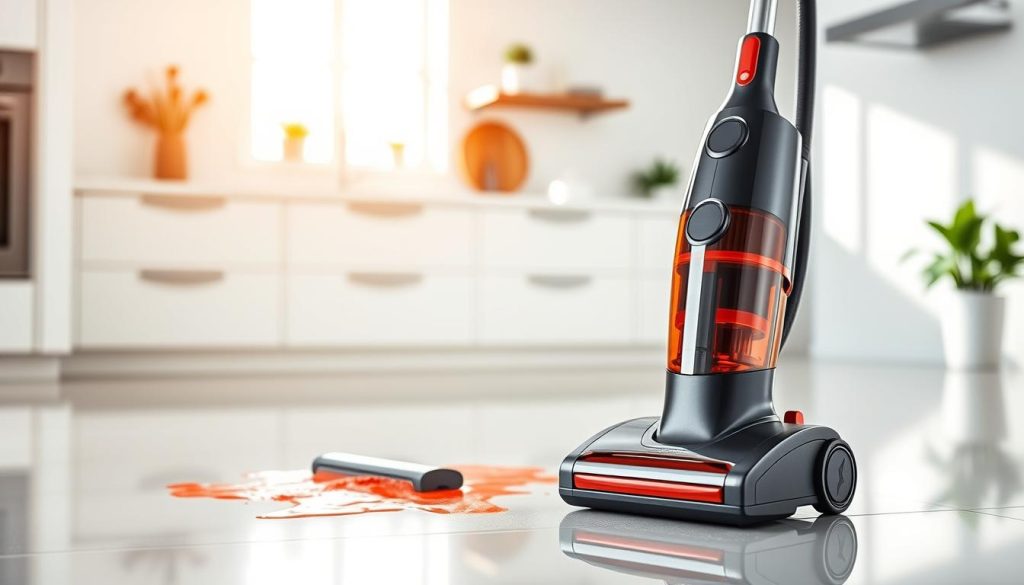
The Electrolux 800 3-in-1 cordless vacuum cleaner EFW81713 is a hybrid choice for flats that want flexibility. It bridges light daily rounds and occasional heavy tasks, so you avoid a bulky workshop unit while keeping capability for tougher messes.
Price bands and what changes as you spend more
Electrolux wet dry models span a wide range of price points. As price rises, expect better build, more tools and improved ergonomics rather than huge jumps in headline suction. Price often buys filters, docks and service add-ons.
Bagged vs bagless for dust control
For pet owners and allergy sufferers we recommend bagged options. Bags cut exposure during emptying and lower airborne dust release compared with most bagless designs.
Before importing, we check spare parts and consumable availability so maintenance and refills are easy from Singapore. That keeps long‑term cleaning simple and predictable.
Philips SpeedPro Max Aqua XC8349 for manoeuvrable wet-and-dry cleaning
For compact flats, a nimble stick that wipes and picks up in one pass saves time each week. The SpeedPro Max Aqua XC8349 blends a 2-in-1 vacuum and wipe nozzle to reduce tool swaps and speed routine upkeep.
2-in-1 head for everyday messes
We found the combined nozzle useful for sticky kitchen spots and light spills on sealed floors. Fewer swaps means we finish quick rounds more often, so dirt does not build up.
360° nozzle coverage in practice
The 360° suction nozzle claims up to 99.7% capture per stroke. In tight apartment layouts this design helps pull crumbs from skirting edges and under low furniture on the first pass.
Runtime modes for whole‑home sessions
Runtime varies by mode: up to 80 min (eco), 35 min (normal), 28 min (turbo). Eco suits regular upkeep across a single charge; normal is best for routine kitchen work; turbo is for grit at entryways.
Accessories and reach
Included tools aid edge work and low-reach tasks. For many of our test layouts the kit removed the need for a second handheld unit.
| Mode | Runtime | Best use |
|---|---|---|
| Eco | Up to 80 min | Whole‑home maintenance (≤125 m²) |
| Normal | 35 min | Kitchen rounds and typical rooms |
| Turbo | 28 min | Stubborn grit, doorways and short deep cleans |
Dyson V12s Detect Slim Submarine for hard floors and visible dust control
For buyers who prize visible proof of cleanliness, the Dyson V12s Detect Slim Submarine makes fine dust easy to spot. Its 150 AW motor delivers strong suction while advanced heads adapt to different tasks.
Submarine roller head for spills and stains on hard floors
The Submarine wet roller head handles fresh spills and sticky stains on sealed floors. It is ideal for quick spot cleaning after cooking or small accidental spills.
Avoid heavy floods or untreated timber where excess liquid can cause damage.
Fluffy Optic illumination to reveal fine dust
The Fluffy Optic head lights the floor so we can see dust a standard tool might miss. Slower, deliberate passes catch more particles in low‑light corners.
Motorbar, Hair Screw Tool and pet hair performance
Motorbar offers fibre agitation for rugs; the Hair Screw Tool clears long hairs from sofas and bedding edges. Design often matters as much as raw power for pet hair pickup.
Docking, tool switching and storage convenience
Docking stores tools neatly and speeds swaps. In compact Singapore flats this encourages daily use rather than sidelining the unit.
“For visible results and engineered heads, the V12s is a premium choice.”
| Feature | Spec / Benefit | Best for |
|---|---|---|
| Motor | 150 AW | Strong single‑pass suction |
| Heads | Submarine roller, Fluffy Optic, Motorbar | Spills, visible dust, pet hair |
| Storage | Docking with tool clips | Compact homes, quick access |
Russell Taylors Wet & Dry V10i for powerful suction and hygienic water separation
When heavy pickup and clean water hygiene matter most, this model stands out in our tests.
Performance note: the V10i pairs a 350W BLDC motor with 30 kPa suction to deliver strong pull-through on textured floors and faster pickup of larger debris. We found the combination useful for real-world deep cleaning tasks where speed and consistent kpa suction reduce repeat passes.
Filtration and allergy control: a four-stage stack — cyclone, cylinder, HEPA and sponge — traps fine dust and helps keep airflow cleaner during emptying. This makes the unit a sensible option for homes focused on dust reduction and routine maintenance.
Water handling: Russell Taylors separates clean solution from dirty water, which stops re-depositing grime during follow-up passes. That separation is important for hygienic results and for keeping odour to a minimum.
Ownership features: the self-cleaning storage dock reduces residue on brushes and bins, shortens drying time and lowers hands-on maintenance. For busy Singapore homes that value quick readiness, this dock is a practical time-saver.
For full specifications and regional buying notes see our detailed comparison at Russell Taylors V10i details.
Dibea HC26 cordless smart wet and dry vacuum for guided, low-effort cleaning
We view the Dibea HC26 as a guided cleaning option that reduces daily friction. It pairs a brushless motor with on‑screen cues so users follow simple steps for routine upkeep.
16 KPa suction with brushless motor
Performance is driven by a 16 KPa rating and a brushless motor. This level of kpa suction handles typical sealed floors and light spills well.
Electrolysed water sterilisation for hygiene-focused homes
The HC26 claims electrolysed water treatment that can reduce bacteria by up to 99.9% when using tap water. This may aid hygiene, but regular maintenance still matters to avoid residue and odour.
LED display, voice prompts and one-click self-care
The unit uses an LED display and voice prompts to guide mode choice, battery life and basic error checks. That makes the cordless vacuum approachable for first-time owners.
One-click self-cleaning combines centrifugal cool‑air drying to lower mould risk in humid climates. For homes that value low-effort upkeep, these features save time.
“The HC26 is best for guided, routine cleaning where ease of use matters more than heavy-duty pickup.”
Philips SpeedPro Aqua FC6728 as a versatile vacuum, mop and handheld
We see the Philips SpeedPro Aqua FC6728 as the go‑to for households that want one tool to handle hard floors, furniture and small accidental spills. Its 3‑in‑1 format combines a stick mode for floors, a mop function and a handheld for sofas or car mats.
3-in-1 format for floors, furniture and quick spot cleans
One device, less clutter: the combination reduces the need to store separate cleaners. We found swapping to handheld mode quick, which makes short spot cleans more likely to happen.
180° nozzle and LEDs for corners and darker areas
The 180° suction nozzle reaches skirting edges and tight corners more easily than a straight head. Built‑in LED lights help reveal dust under low cabinets and in corridors.
Realistic runtime for mid-sized homes
The FC6728 uses a 21.6V battery and delivers up to 50 min runtime in lower modes. We recommend zoning your apartment: kitchen and dining first, then bedrooms, if using higher power settings for stubborn dirt.
“Our tests show the SpeedPro Aqua is best for households that value flexibility over large-tank washing sessions.”
| Feature | Spec | Best for |
|---|---|---|
| Format | 3‑in‑1: stick, mop, handheld | Versatile daily use, small flats |
| Nozzle | 180° suction with LEDs | Edges, under furniture, dark spots |
| Power | 5,000 Pa, 21.6V battery | Routine dust, light spills |
| Runtime | Up to 50 min | Mid‑sized homes with zoning |
Who should choose it: families and flat sharers who need a cordless option that covers floors and quick handheld tasks without the bulk of larger wet dry machines.
Airbot iClean OMNI X Wet Dry for sensor-led cleaning and adaptive power
Airbot’s OMNI X aims to take guesswork out of home upkeep by adjusting performance to what the floor actually needs. Its core appeal is a sensor-led approach that boosts efficiency and reduces wasted charge in routine rounds.
Infrared dust sensing and auto motor adjustment
The OMNI X uses infrared dust sensing to detect particle levels. When sensors spot heavier dust it raises motor RPM, and it eases off on clean patches.
This adaptive behaviour saves battery life and cuts time spent repeating passes over the same area.
LED touchscreen for battery and speed visibility
A bright LED touchscreen shows mode, remaining charge and error prompts at a glance. Quick checks let us avoid mid-clean power drops.
Detachable handle for sofas, curtains and car interiors
The unit offers a 1.1 kg detachable handle for portable use. That makes spot work on sofas, curtains and cars simple without hauling the full stick around.
Design and ergonomics: a processor chip claims +60% power efficiency while delivering 20,000 Pa suction. For compact Singapore flats, the OMNI X suits owners who want a feature-rich, sensor-led alternative to other cordless cleaners.
| Feature | Spec / Benefit | Best use |
|---|---|---|
| Sensor | Infrared dust sensing | Auto power where dust is present |
| Display | LED touchscreen | Fast mode and battery checks |
| Portability | 1.1 kg detachable handle | Sofas, curtains, car interiors |
| Performance | 20,000 Pa; processor efficiency | Strong suction with battery savings |
Tineco wet-and-dry vacuum mop range: tank sizes, lay-flat designs and runtime choices
We focus on practical trade-offs so shoppers can pick a model that fits daily life, not just specs. Tank size, reach and display style change how often we stop, refill or empty during a session.
Compare tank capacities fast
Tineco clean water tanks commonly sit between 0.75–1.0L while dirty water tanks are usually 0.70–0.80L. In practice, a 0.75L clean tank covers a kitchen and one bedroom once. A larger tank reduces refill frequency for whole‑flat rounds.
Display and mode controls
Models use LED or LCD thumb screens to show mode, runtime and maintenance prompts. A clear display speeds mode switching during cleaning and flags when tanks need emptying.
Lay-flat reach and edge performance
Many Tineco heads offer a 180° lay-flat design and explicit edge cleaning. That reach helps under beds, low cabinets and tight gaps beside appliances without awkward bending.
Steam tech and use notes
Some models list 160°C Hypersteam technology for deeper sanitising. Check floor compatibility before using high heat on sealed wood or sensitive surfaces to avoid damage.
Value note: the range lets us prioritise runtime, tank size or reach. Match your apartment layout and price point to the feature you use most.
Choosing the right vacuum cleaner type for your home beyond wet dry
A focused pick—cordless, canister, robot or dry—often beats a feature-packed hybrid for value. We step back to match device type to how you actually clean in a Singapore flat.
Cordless options for fast, multi-room upkeep
When to pick a cordless vacuum cleaner: frequent short rounds, stairs and quick spot work. These units are light, easy to store and speed up everyday cleaning.
Canister models for carpets and longer sessions
Why choose a canister vacuum cleaner: larger dust capacity and steady suction suit bigger flats and deep carpet work. They handle long passes without frequent emptying.
Robot devices for automated daily maintenance
Role of a robot vacuum cleaner: daily crumb and dust reduction while we are out. It lowers the burden between manual cleans but does not replace targeted deep work.
When a dry option is the smarter value
Pick a dry vacuum cleaner if you rarely need water-based cleaning. Dry units cost less to run, need simpler upkeep and cut water-related odour risks.
- Bagged vs bagless: bagged models suit allergy sufferers and pet homes for cleaner emptying.
- We recommend matching type to routine rather than chasing extra features.
Price and value: what you get at different budgets when buying across borders
Sticker price rarely shows the real running costs; we map budgets to everyday outcomes so buyers can decide if an import still makes sense.
Entry-level buys
At lower price points expect basic suction and simple water handling. These units pick up loose dust and small spills but need more hands-on tank and brush cleaning.
Mid-range sweet spot
The mid band adds clearer displays, longer runtime and stronger filtration stacks. Separation of clean and dirty water is more reliable, so hygiene improves and refill stops fall.
Premium picks
Top-tier models buy engineered heads, illumination to reveal fine dust, sensor-led power control and ergonomic design. These features cut cleaning time and reduce fatigue in daily use.
Total ownership costs
Beyond the initial price, factor filters, cleaning solution refills, replacement brushes and occasional servicing. For cross‑border buys check exchange rates, delivery fees and local service access; cheaper sticker price can be offset by poor support.
- Quick check: compare warranty, parts availability and realistic runtime for your flat size.
- Tip: spend where it reduces weekly maintenance time rather than chasing top numbers.
Our pick-by-scenario guide to find the perfect wet dry vacuum
Choosing by scenario lets us match a model’s strengths to the way you actually clean, not to headline numbers. Below we list clear picks for common Singapore layouts so you can find perfect solutions quickly.
Best for hard floors and frequent spills
Pick features: a stable roller or wipe nozzle, quick setup and reliable water separation to avoid streaking. These choices speed routine cleaning in kitchens and corridors.
Best for powerful suction and deep cleaning
Pick features: higher kPa ratings, robust filtration and a self‑clean dock so powerful suction cleans well without messy emptying.
Best for long battery life and larger floor areas
Pick features: proven runtime figures, efficient modes and easy refill/empty workflows so sessions finish in one pass.
Best for smart features and hands-free maintenance
Pick features: sensor-led power, clear displays, self-clean cycles and brush drying to cut odours and hands-on care.
Best for compact storage and quick daily cleans
Pick features: lightweight form, fast tool switching and a wall dock so a cordless vacuum is ready within seconds for everyday touch-ups.
- For a full checklist on whole-home upkeep see our whole-house cleaning checklist.
| Scenario | Key feature | Why it matters |
|---|---|---|
| Hard floors | Nozzle + water separation | Prevents streaks, speeds cleanup |
| Powerful suction | High kPa + HEPA | Deeper pickup, less repeat passes |
| Long runtime | Battery capacity + efficient modes | Finishes larger areas on one charge |
Conclusion
We recommend choosing a model that matches your routine. If you face regular debris plus light floor washing on sealed surfaces, a combined wet/dry option makes sense. If most tasks are dust and carpets, a dry-first vacuum or vacuum cleaner will save time and hassle.
Key differences are simple: head design, hygiene systems that separate clean and dirty water, and how easy maintenance is after each session. Prioritise reliable filtration, sealed tanks and tool access for lower upkeep.
Before you buy, re-check warranty, local servicing and spare parts so cross-border price savings do not vanish. Match flooring, mess frequency and storage to a model category, then validate total ownership price against expected maintenance.
Use our scenario guide to decide with confidence. That way you get the right balance of performance, runtime and everyday ease.

