

We introduce what to expect in this guide for readers in Singapore. We explain how wet and dry systems operate, what happens inside the machine, and why these units differ from a standard model.
Real messes in flats and busy shops include dust, crumbs, hair, muddy footprints and liquid spills. Tackling both mess types in one pass saves time compared with separate mop then suction routines.
Our focus is three outcomes: faster cleaning, safer floors with less lingering moisture, and improved hygiene by keeping dirty water apart from clean water.
We will also preview when a combined unit is the right tool, and when a single-purpose machine makes more sense. Later sections cover suction basics, filtration and motor protection, float shut-off for liquids, and tank designs.
For practical tips and unusual uses of a wet dry model, see this short guide on dual-purpose chores: dual-function cleaning ideas.
What a wet dry vacuum cleaner is and why it’s become a go-to cleaner in Singapore
We see many homes and businesses choosing a single tool that handles both dust and spills. This short introduction explains the basic idea and why it matters in Singapore.
At its core, the wet dry vacuum is a single device that combines suction with filtration so teams can pick up dry debris and collect liquid spills into a tank built for fluids.
Wet and dry cleaning in one unit
- It replaces a separate vacuum plus mop by storing dirty water apart from clean solution.
- That separation means floors are actually rinsed instead of just moving grime around.
- Some commercial models even speed-dry as they clean, cutting cordon times and slip risk.
Residential versus commercial appeal
In Singapore flats, tiled kitchens and rainy-day entryways benefit from a combined approach. For retail or hospitality, businesses adopt these cleaners to reduce downtime and reopen areas faster.
Overall, the appeal is simple: fewer tools, greater efficiency and less waiting time between mess and normal use.
Wet, dry and wet dry vacuums compared: choosing the right vacuum cleaner for the mess
Not every mess needs the same machine; selecting the correct type prevents damage and saves time. Below we compare three common types so you can match the tool to the incident.
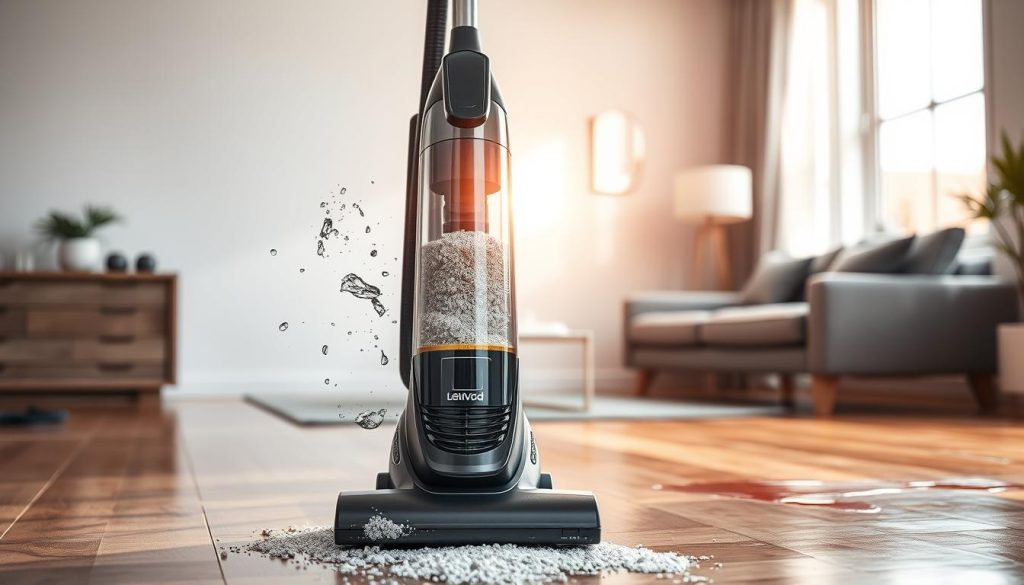
Water-only machines for major liquid removal
Water-only units excel at extracting standing water after leaks, burst pipes or floods. They either collect water in a tank or pump it away to a drain.
Use case: rapid removal after a bathroom overflow limits flooring damage and mould risk.
Dry models for dust, dirt and debris
Dry devices draw air through a bag or bin where dust and debris are caught. HEPA or similar filters clean the exhaust, useful for offices and retail spaces that need cleaner air.
Never use standard dry machines on liquids — moisture ruins bags, clogs filters and can harm the motor.
Combined units for mixed, everyday messes
Wet & dry machines let us switch between dry debris and liquid pickup without constant filter swaps. They include a float assembly and removable filters to protect the motor when collecting water.
For mixed chores — kitchen spills, muddy paw prints or quick site clean-ups — a dual-purpose unit is often the fastest choice. If you want a single solution, order a dual-purpose unit to cover most household and commercial needs.
How wet and dry vacuum cleaner works: the core cleaning function explained
The central mechanism converts motor rotation into air movement that lifts dust, hair and liquid into the tank.
Suction power from the motor comes from pressure difference. The motor forces air through a hose, carrying debris into the collection area. Consistent airflow design keeps suction steady when switching between solids and liquids.
Suction, airflow and particle transport
Air paths are shaped so heavier matter drops out as speed falls. Fine particles ride the stream to filters where they are trapped. This prevents lost suction and maintains cleaning power.
Filtration, float assembly and separation
Filtration uses meshes and HEPA-style media to stop particles and moisture reaching the motor. A float rises as the liquid level climbs and triggers shut-off to avoid overfill.
| Feature | Purpose | Benefit |
|---|---|---|
| Suction (motor) | Move air to lift debris | Reliable pick-up of dust, hair and spills |
| Float assembly | Detect liquid level | Prevents motor damage from overfilling |
| Dual-tank | Keep clean solution separate | Hygienic collection and easier disposal |
| Dry-as-you-clean | Extract moisture during scrubbing | Faster reopening of floors, lower slip risk |
Key parts inside a wet dry vacuum and what each one does
A clear map of internal components shows why some devices cope with spills while others fail fast.
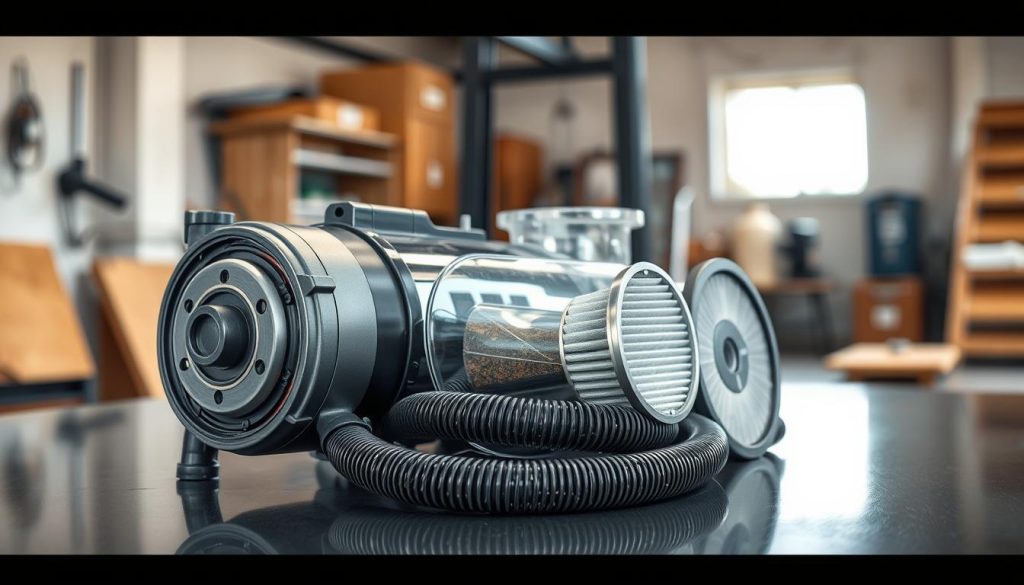
Collection tank versus bag or canister designs: A typical dry bag or canister cannot hold water safely. Water in a bag model clogs filters, causes odour and risks motor damage. A proper tank stores both liquid and solids for safe disposal.
Filters, mesh gauze and airflow pathways
Filters trap fine dust while a sturdy metal mesh catches larger debris. This layered protection keeps airflow steady so suction stays strong.
Brush rollers, scrapers and edge tools
Brushes loosen sticky residue and pet hair. Scrapers and edge heads reach skirting boards and narrow corridors in HDB flats.
Blow function, sensors and self-cleaning
The blow mode is handy for gathering leaves in sheltered walkways before we collect them. Modern sensors adjust suction and water flow based on dirt levels. One-button self-clean cycles wash the roller, cutting hands-on maintenance and reducing smells in humid climates.
“Design matters: a proper tank, the right filters and smart modes keep performance high and repairs low.”
| Part | Role | Maintenance tip |
|---|---|---|
| Collection tank | Holds water and solids separately | Empty and rinse after each use |
| Filters | Capture fine dust and protect motor | Clean or replace per manufacturer schedule |
| Mesh gauze | Stop large debris entering pathways | Clear trapped waste weekly |
| Brush roller & sensors | Agitate grime; adjust power | Run self-clean cycle; clear hair |
For further technical detail and practical tips on choosing a reliable model, see our guide on wet dry vacuum advantages.
How we use a wet and dry vacuum for common floors, surfaces and spills
We follow a simple workflow that protects finishes and speeds cleaning after everyday accidents.
Hard floors: sealed hardwood, laminate, tile and vinyl
On sealed hardwood and laminate we use minimal moisture and a soft brush head. This prevents warping and surface damage.
For tiles and vinyl we allow slightly more water to dissolve grime, then extract quickly to cut drying time.
Carpets and rugs
We spot-treat stains with a mild detergent and perform controlled extraction so underlay does not stay soggy. Test a hidden patch first.
Kitchens, bathrooms and walkways
Grease and tracked-in debris are cleared in two passes: loose dust and dirt first, then liquid spills and sticky marks.
Commercial settings
In retail and hospitality we prioritise rapid response and fast-drying floors to reduce closure time. This boosts overall efficiency.
Safety, damage prevention and after-use routine
We avoid hot liquids and respect tank fill limits to prevent internal damage. After use we empty the dirty water, rinse filters, clean the brush or run the self-clean cycle, and store the unit ventilated to avoid odour.
Practical care keeps performance high and repairs low.
Conclusion
We find a compact, multi-purpose device is the best choice when mixed messes are routine in Singapore. A single unit handles spills and scattered debris, saves storage space and shortens response time.
Suction and airflow move waste into a collection tank, while layered filtration and a float shut-off protect the motor. These core features keep the machine reliable and hygienic.
For major water incidents choose a water-only tool. For dust-heavy tasks opt for a dedicated model. For everyday mixed jobs, a wet dry vacuum cleaner offers the most flexibility.
Match power and tank size to your space, keep parts clean, and follow safe-use steps so the device stays effective for years.

