

Choosing the right system is about more than convenience. For compact Singapore homes we focus on humidity, fine dust and how often we tidy in tight spaces. The core difference is simple: sealed disposable storage or reusable bin, and that shapes hygiene, cost and indoor air.
We will define the three main approaches — bagged, bagless and water-based collection — so we can map each system to our daily routine. Our comparison centres on real outcomes: filtration, disposal hygiene, suction consistency and running costs.
“Best” depends on our priorities. Allergies, low-mess disposal, maintenance time and ongoing cost matter more than brand hype. Later, we will point to best-fit recommendations and hybrid set-ups for different lifestyles and surfaces.
How each system handles dust, dirt and disposal
How a unit handles dirt and disposal directly affects indoor air and daily upkeep. Below we compare the basic approaches so we can judge hygiene, mess and maintenance for Singapore homes.
Bagged designs and sealed storage
With a bagged vacuum the airflow passes through a replaceable dust bag. The bag acts as both storage and an extra layer of filtration before final filters and the motor.
Removing sealed bags often means less contact with dust and fewer plumes when we dispose of waste.
Water-based collection basics
These systems trap debris in a liquid bath to reduce visible dust escape during use. They still rely on downstream filters for fine particles and seals to stop leaks.
Bagless and cyclonic separation
Bagless units use cyclonic technology to spin air so debris drops into a clear bin. The clear bin helps us see blockages, but tipping it out can release dust back into the room.
- Practical note: Emptying outside or in a service yard reduces indoor dust exposure.
- Design reminder: “Bagless” does not mean “filterless” — seals and filters are part of the same system.
| Collection | How it traps debris | Disposal | Suitability for flats |
|---|---|---|---|
| Bagged | Air through sealed bag + final filters | Replace and discard sealed bags | Good for allergy concerns, low indoor mess |
| Water-based | Debris captured in liquid bath | Empty tank and rinse; requires drying | Reduces visible dust during use; needs space to rinse |
| Bagless | Cyclonic separation to a reusable bin | Tip or tap out the bin; can release dust | Convenient but may raise indoor dust unless emptied outside |
water filter vacuum cleaner vs bag: differences that matter for indoor air and filtration
We focus on design, not labels. A cleaner home depends on seals, gaskets and staged filtration as much as on whether debris lands in a bag or a bin.
Filtration performance depends on the full sealed system
Tight seals and a clear airflow path stop leaks that undo even the best cartridges. A well-sealed unit—good gaskets, secure motor housing and proper exhaust routing—keeps allergens trapped.
HEPA and allergy-grade filters: what to look for
Look for multi-stage setups. A pre-cleaner, HEPA-grade final stage and easy-to-inspect seals matter more than the collection method. Many modern models, both bagged and bagless, meet HEPA standards.
Indoor air trade-offs at disposal
Emptying a bin risks a dust plume; removing a sealed bag usually reduces exposure. Self-sealing collars and improved bin seals close that gap in new designs.
Where liquid capture helps, and its limits
Liquid collection captures larger grains and cuts visible dust during use. It still needs a final cartridge to trap fine allergens and protect motor exhaust.
| Feature | Benefit | Common risk | Relevance for flats |
|---|---|---|---|
| Sealed system | Reduces leakage and airborne exposure | Poor gaskets negate gains | High — enclosed spaces amplify leaks |
| HEPA-grade final stage | Traps fine allergens | Needs periodic replacement | Important for allergy sufferers |
| Liquid capture | Less visible dust while cleaning | Requires rinsing and drying | Useful but needs space to maintain |
| Self-sealing disposal | Lower contact and fewer plumes | Added cost for consumables | Helpful for busy households |
Hygiene and allergy considerations for Singapore homes
Small habits around emptying and storing dirt make a big difference for sensitive households.
Lower exposure disposal: For people with allergies, sealed bags often feel safer. We remove a full bag and seal it with minimal contact. Models marketed for allergy sufferers, such as Bosch ProHygienic with UltraAllergy or those using AirFresh bags, highlight this benefit.
Why bagless can be messier: Emptying a bin can billow dust into the air. Residue clings to bin walls and hinges add contact points. Tipping or tapping the container often creates a plume that raises allergen exposure.
- Empty outdoors or into a lined rubbish chute when possible.
- Lower the drop height and avoid overfilling to cut plumes.
- Wear a mask briefly when emptying and wash hands afterwards.
- For tank systems, empty promptly, rinse and dry to stop odours.
- Schedule filter and bag changes at a time when we can ventilate the area.
| Issue | Why it matters | Best practice |
|---|---|---|
| Sealed bags | Limits direct contact with dust | Replace and discard carefully; store spare bags sealed |
| Bagless bin | Risk of plumes and sticking residue | Empty outdoors; wipe seals gently after use |
| Tank systems | Less airborne dust; needs drying | Rinse, dry and store open to avoid smells |
Suction power, performance consistency and capacity
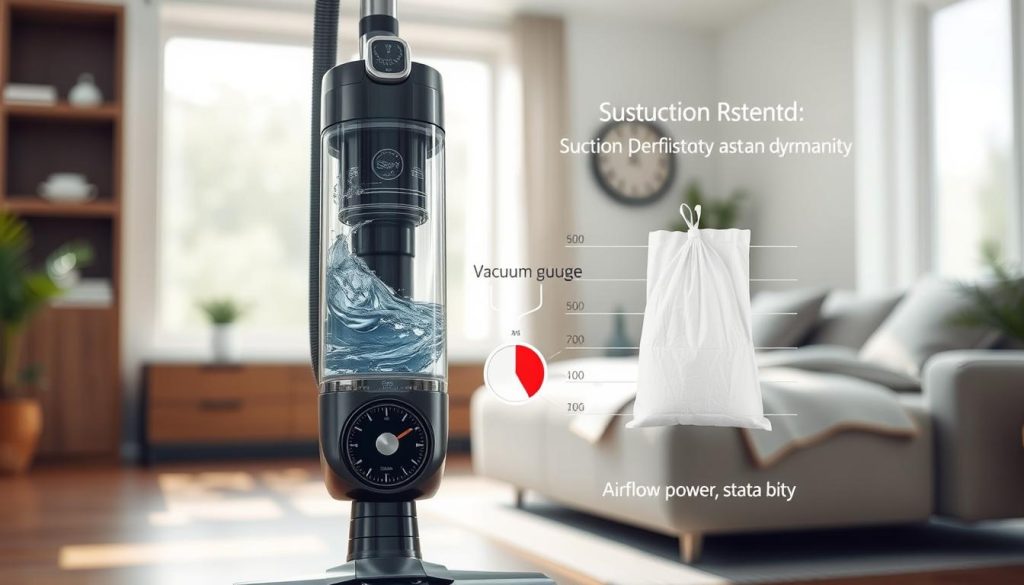
The real test is not peak power but how well suction holds up as storage fills and filters gather dust. We define suction practically: pickup on hard floors, depth on carpets and airflow through the cleaning head.
Consistent cleaning: A full bag often gives steadier pull until it nears capacity. Bagless designs can lose suction sooner if filters clog and are not maintained.
Dust-holding capacity: Bags frequently hold more than compact bins, so they need emptying less often in pet-rich homes. Smaller bin capacity means more stops during a single session.
Brush and nozzle design: A well-sealed head, anti-tangle brush and correct nozzle can outperform higher power on poor airflow models. Attachments matter for tasks: crevice tools for the car, mattress brushes for bedding and soft rollers for hard surfaces.
| Factor | Typical benefit | Common downside |
|---|---|---|
| Suction consistency | Steady pickup during a session | Depends on maintenance of filters and storage |
| Capacity (bags vs bin) | Fewer emptying interruptions with larger bags | Smaller bins need frequent emptying |
| Brush and nozzle | Better contact with surfaces and fewer clogs | Poor design reduces effective suction despite rated power |
Maintenance time and ongoing costs
Maintenance and running costs shape the long-term value of any home cleaning system. We must weigh the hours we spend and the items we must replace against the benefits each model brings.
Bagged upkeep
Bagged units ask for regular purchases of correct bags and occasional checks for fullness. Some models include indicators or app alerts to reduce guesswork.
Their pros are simpler compartment cleaning and less direct contact when we swap a sealed bag.
Bin, tank and drying realities
Bagless and tank systems need bin or tank rinsing after use. Filters often require washing and full drying time before reuse.
In humid Singapore, damp parts can smell or deteriorate if not dried well.
Total cost of ownership
No-bag claims can mislead. Replacement filters, seals and service parts add costs that mount if we vacuum often.
| Type | Daily tasks | Periodic costs |
|---|---|---|
| Bagged | Swap bag; check indicator | Bags, periodic filters |
| Bagless | Empty bin; wipe seals; dry filter | Replacement filters, seals |
| Tank systems | Empty and rinse tank; dry | Replacement parts, cartridges |
Convenience and everyday usability
Everyday usability decides whether we actually reach for a cleaner after dinner or leave crumbs until the weekend. Small features — how we check fill level, how light the unit feels, and where we dock it — shape our habits more than peak specs.
Quick checks and easy retrieval
Transparent bins make a real difference. We can see when the bin is full and spot jewellery or toys before they reach the motor.
Bagless vacuums earn their keep when saving small items is important and when we want quick visual checks during cleaning.
“A clear bin reduces anxiety about hitting capacity mid-task and helps us recover lost items fast.”
Handling and storage
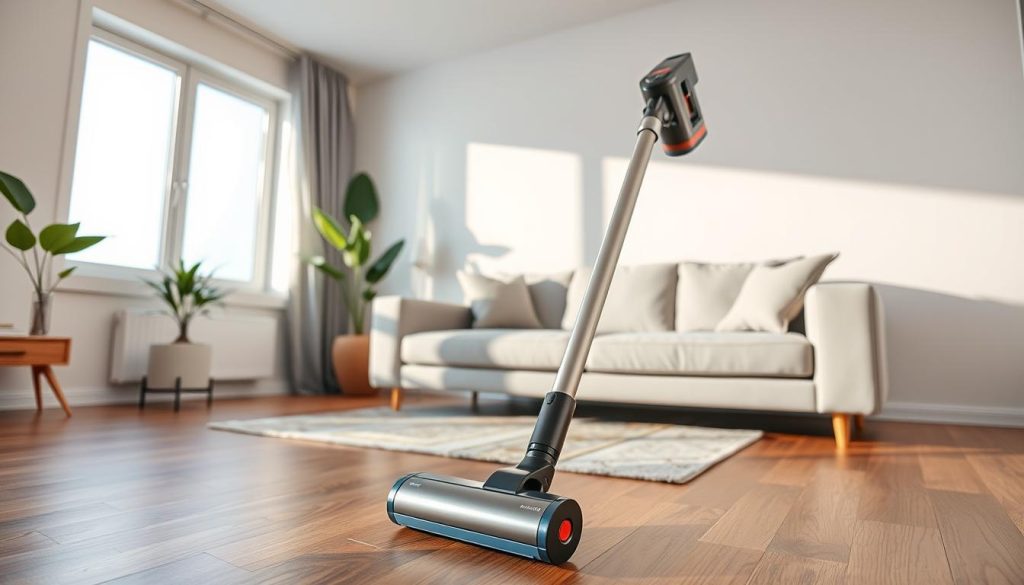
Cordless options cut friction: they are easier to carry between rooms and faster for spot cleans. That freedom tends to increase how often we use a unit.
Expect trade-offs: shorter runtime and smaller capacity. Good dock design and accessible attachments matter in compact Singapore homes.
- Choose a lightweight, swivel head if we move between tight furniture.
- Prefer vertical docks or compact charging stations to save floor space.
- Match the model to daily routines — grab-and-go for crumbs, larger units for weekly deep cleaning.
The bottom line: the best vacuum cleaners are the ones we use. Prioritise usability features that reduce friction and fit our home life.
Best-fit scenarios by lifestyle and surfaces
Choosing the right machine comes down to the mix of pets, floors and how often we can maintain it. We map common lifestyles to practical suggestions so you can pick a model that stays effective and easy to use.
Pet hair and high-traffic areas
Choose anti-tangle brush heads and easy-access ports for hair removal. These keep suction steady and reduce maintenance time in busy homes.
Large capacity or self-emptying systems help when traffic is heavy — fewer interruptions and steadier power.
Car interiors and mattresses
For the car, use a crevice nozzle for seat rails and console gaps. We favour manoeuvrable tools that hold stable suction over raw wattage claims.
On mattresses, a mattress brush and measured passes trap dust and dander. Replace or wash the final filter regularly to protect indoor air.
Hard floors versus carpets
Soft rollers and sealed heads suit hard floors; they pick fine debris without re-circulating dust. For carpets, choose heads with stronger agitation and controlled airflow to lift fibres.
Hybrid set-ups
Pair a self-emptying robot (often with a bagged base) for daily upkeep with a cordless stick for corners, stairs and quick spot cleaning. This combines low-contact disposal with targeted power and efficiency.
Conclusion
We close by mapping clear, practical choices to the kinds of homes and habits readers have in Singapore.
Quick checklist: if low-contact disposal and allergy comfort matter, a bagged option usually wins. If you want no consumables and easy visual checks, a bagless design can work—provided we commit to regular maintenance.
Note: water-based capture reduces airborne dust while cleaning but still needs disciplined tank care and the right downstream cartridges; read more on this approach here.
Performance comes down to airflow management, clean filters and timely emptying, not just rated power. Factor in time, replacement parts and consumables when judging costs.
Best for: allergy-sensitive families — sealed disposal; pet homes — larger capacity or self-emptying; busy professionals — hybrid robot plus cordless. Match the system to our real habits to keep the choice comfortable long term.

